












The bridge between AI and people
Text Valérie CouplezImage Viu More
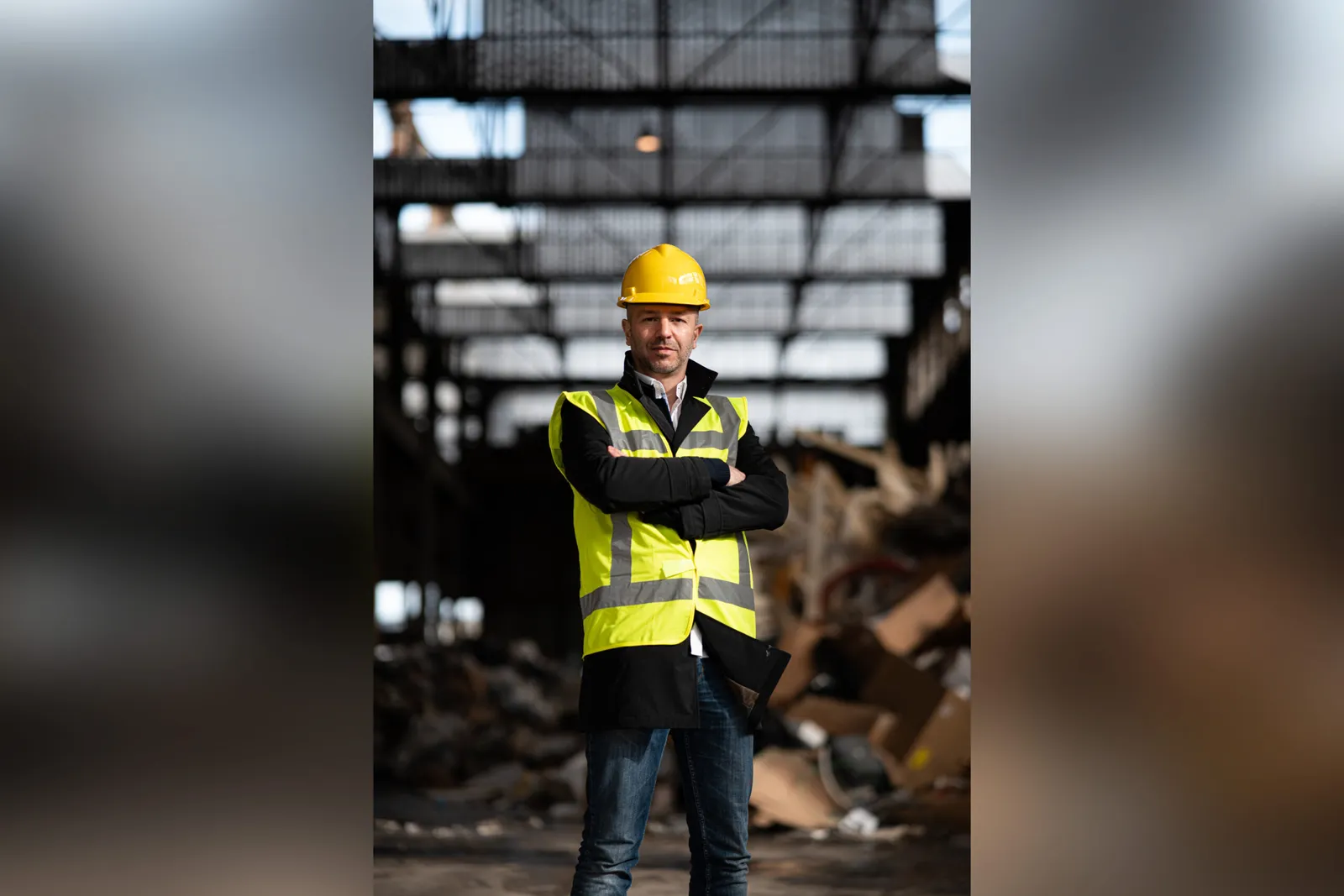
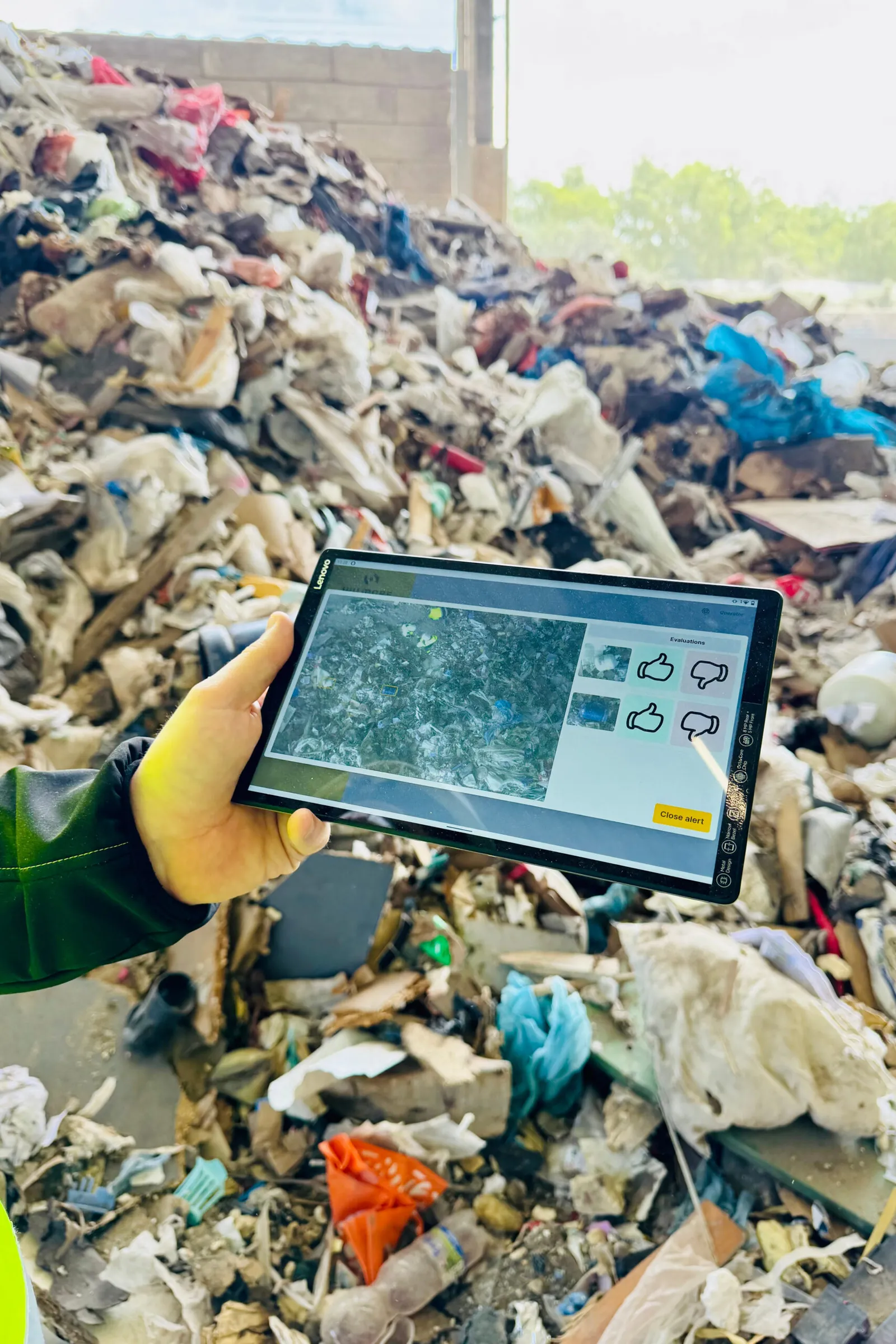
Artificial intelligence is being used in an ever-growing range of applications, including in the recycling sector. It is no longer used solely to remove disruptive items such as nitrous oxide cylinders from waste streams. Increasingly, artificial eyes are analysing materials and the value they can generate. Viu More, as an AI specialist, is keen to work with its customers on this development, but managing director Jan Meynen also warns that we must not forget technology’s original purpose: to support people in their work. “We need to make sure AI makes jobs more human, not the other way round, turning people into robots.”
A shift is under way. While the first AI applications focused mainly on safety, companies are now exploring how it can also create value. “With more computing power, ever-better algorithms and extensive databases, you can train your cameras to accurately classify the materials received and passing along the conveyor belt. That gives you particularly valuable information,” says Meynen. “You can then analyse all the materials in the waste streams delivered by a particular supplier. This data can help optimise source separation. If you find that certain materials are particularly prevalent in the residual waste from a particular supplier, for example, you can feed that back to them and suggest putting out a specific container for those materials. But the data can also help you calculate more accurately what a particular stream is actually worth, by determining exactly what it contains and what can be recovered.”
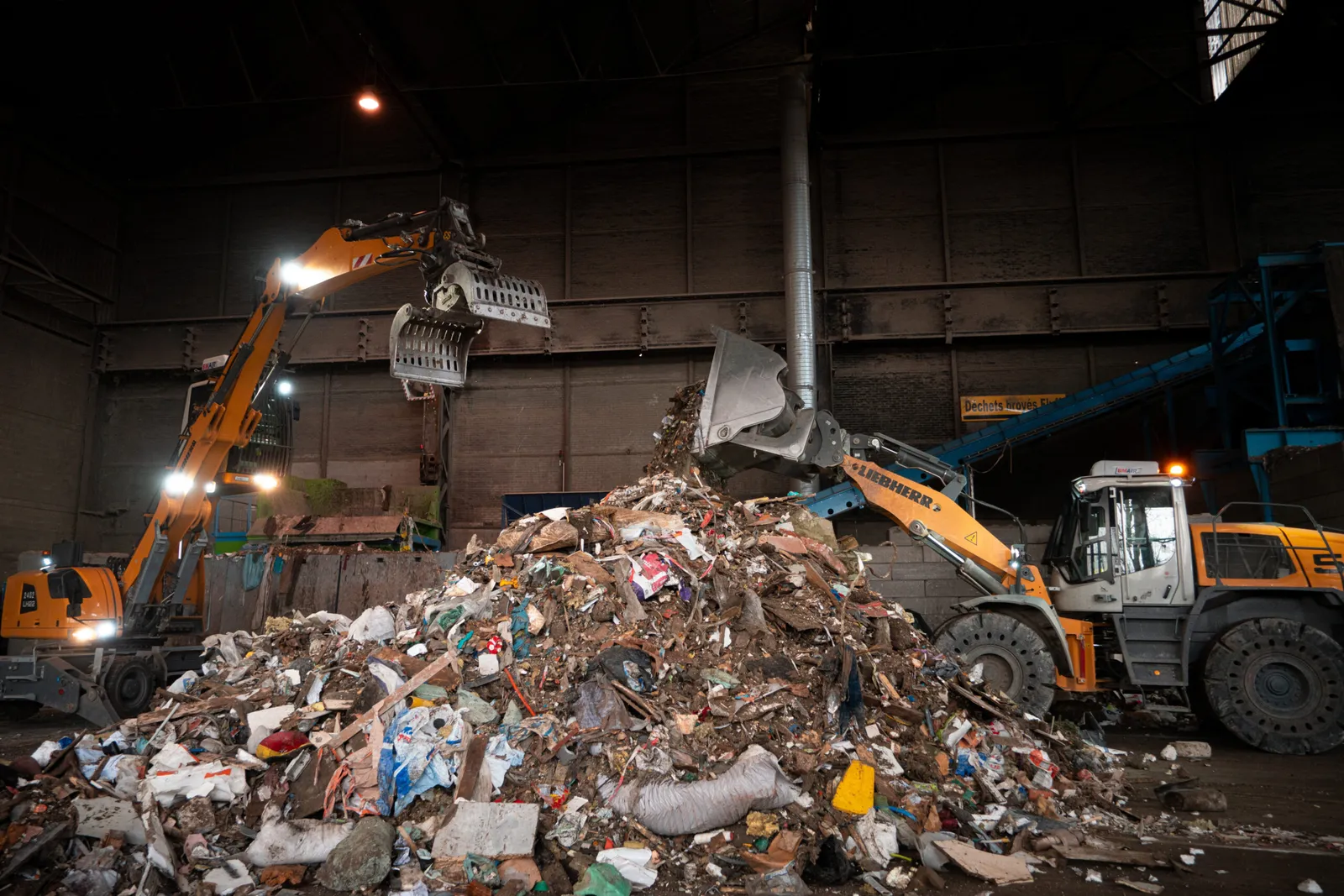
Getting more value from waste
Meynen sees this trend mainly among recycling companies abroad, but it will undoubtedly spread to Flanders. “At Viu More, we help our customers think about how to get more value from their waste. The fact that our solutions are increasingly mentioned in the same breath as those of major international AI players shows that we have built up considerable knowledge and experience. In that respect, Flanders is an excellent starting point: a great deal is already happening here in waste and recycling. Much of the credit goes to the public: we are a leading example when it comes to sorting.”
The importance of people
Although his company specialises in high tech, Meynen is keen to stress the importance of people in this story. “We’re seeing more and more lasagne in waste.” Meynen is not referring to the Italian dish, but to the technique whereby the most valuable load ends up at the top of the container and the least valuable at the bottom. “You can’t expect an operator at the weighbridge to spot that a load is not as homogeneous as declared. AI can be a great tool for helping the operator objectively analyse the entire contents of a container, provided they are willing to use it. For many customers, adopting state-of-the-art technology is a barrier today because they don’t want to put off their staff.”
Don’t take away people’s pride in their work
Meynen returns to the example of the lasagne container. “Although they can’t see it with the naked eye, operators have an excellent sense of which containers have been declared less accurately. Call it experience, professional expertise. They are rightly proud of how they do their jobs today. So how do you ensure that operators still enjoy their jobs just as much with the technology you offer? As AI specialists, perhaps we need to be more willing to address that question. It is not just about what is technically possible, but about how it creates value for people.”
The people who do the work
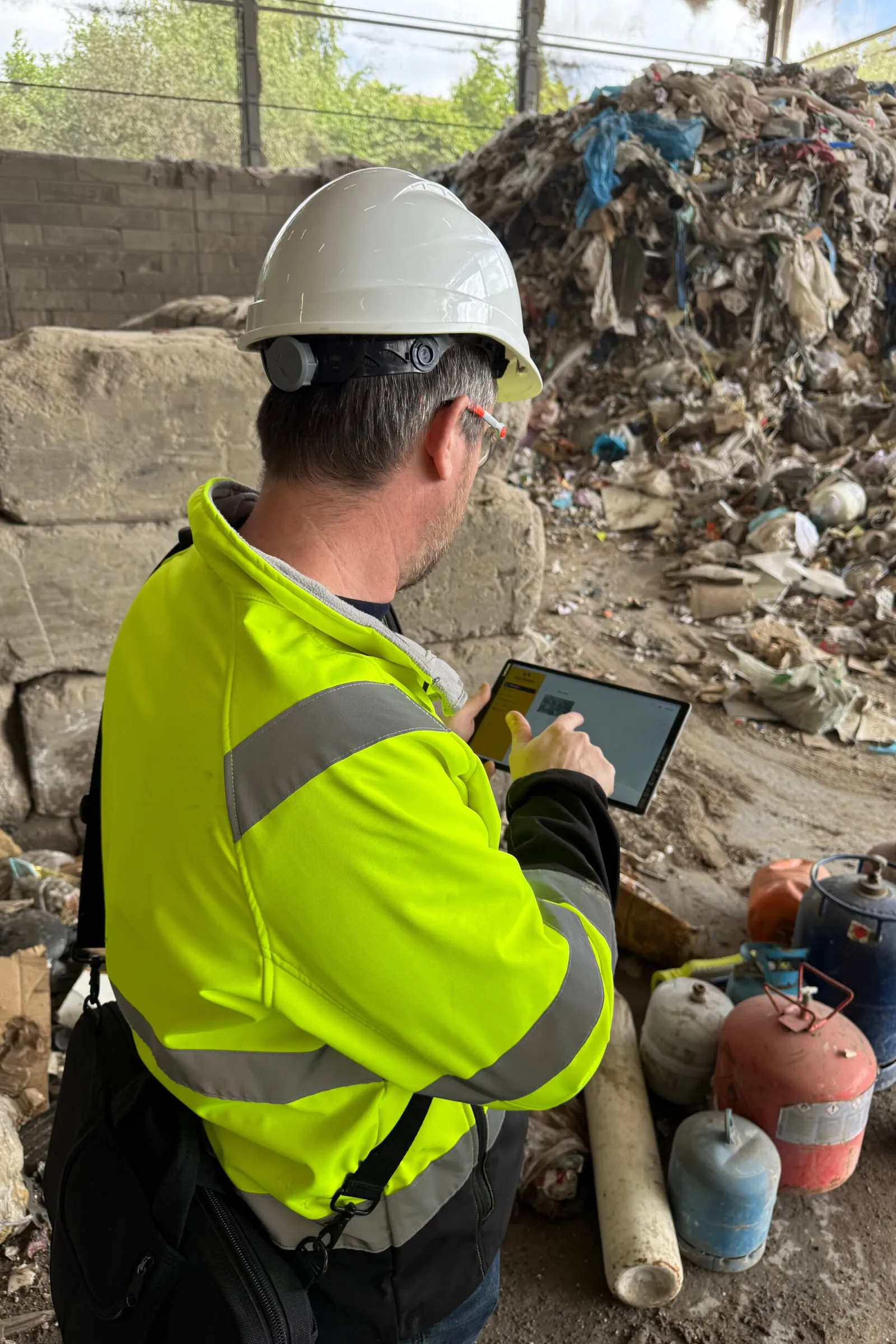
That is why Viu More is keen to talk to its customers and their employees, and test its solutions against real-world conditions. Meynen has already had some interesting discussions with wheel-loader drivers and crane operators, among others. “We help them detect gas cylinders in the waste streams they process. The system you build for them must neither distract them nor saddle them with extra steps that get in the way of working efficiently. So traditional alerts that you have to click away are out. That is why we are exploring a kind of chatbot that tells them where there is a hazard using voice commands they choose themselves. You can then create a different interface depending on who has to use it. That way, they can keep their hands on the controls, while still having a personal touch. Because they are the ones who ultimately have to do the work. So we would do well to listen to what they need to do it better, as a technology provider, but just as much as a business owner or legislator.”
Question about this story? Ask your question
Keep following this
Get an email when a new story is published. No account needed.
- SubjectNews







