












Tackling greenwashing high on the European agenda
Text Valérie CouplezImage iStock

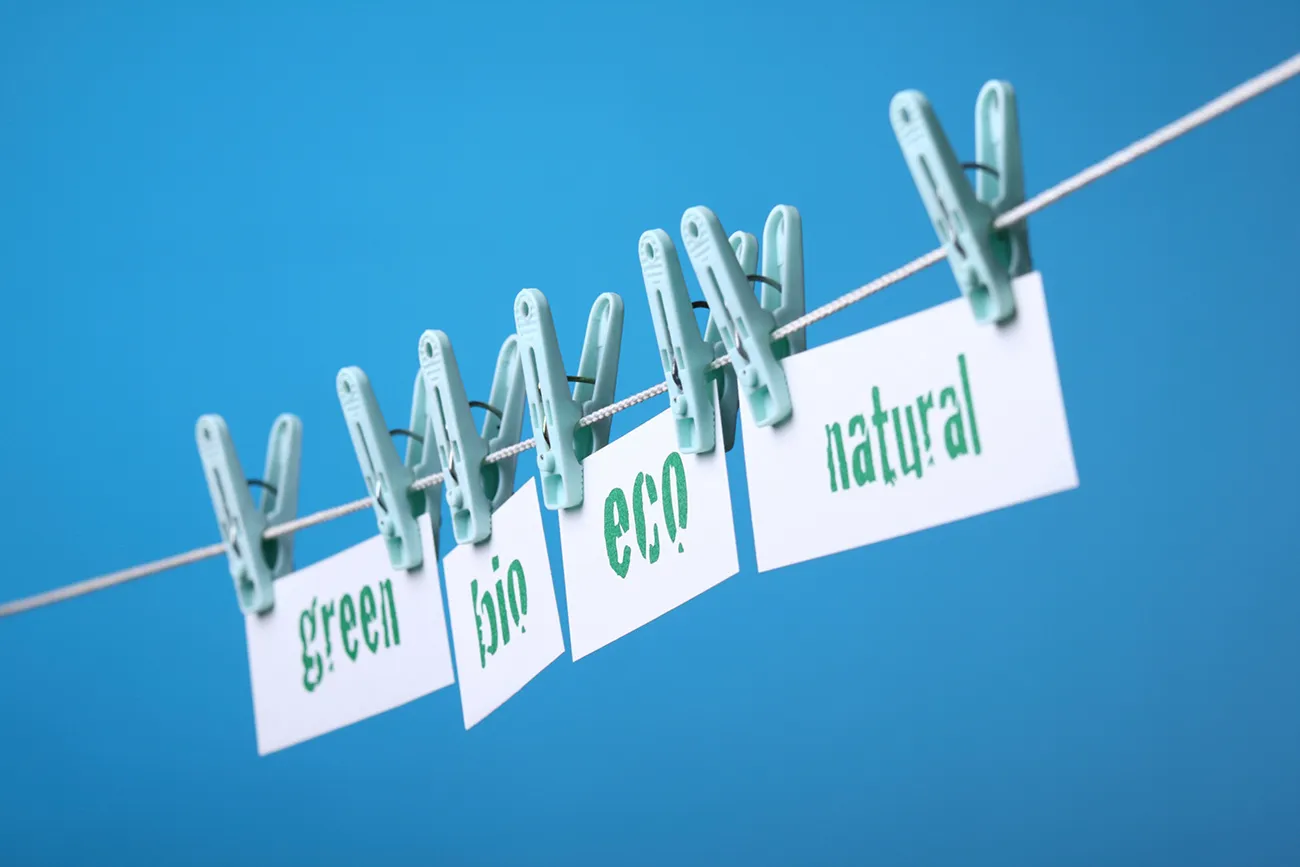
You can hardly look at a package without seeing some kind of green claim. 100% recyclable, made from bio-based materials, 50% less water used … Research shows that more than half of these claims are misleading or too vague, while 40% may be completely untrue. Greenwashing, in other words. Europe wants to put a stop to it, so that consumers are given the right information to make sustainable choices. Lawyers Stéphanie De Smedt and Stephanie Van Laethem of Loyens & Loeff bring RecyclePro up to speed on the first steps taken to turn this into binding legislation.
Greenwashing means presenting a company or organisation as greener or more socially responsible than it really is. It is a scourge today. The European Parliament recently approved draft legislation to improve the labelling and lifespan of products and put an end to misleading claims. “Sustainability has become a selling point,” says Van Laethem. “For consumers, but just as much in B2B relationships. What is more, companies will face a great deal of additional legislation in this area over the coming years.” Van Laethem points, among other things, to mandatory ESG reporting, which comes into force in 2024. Together with the rest of the Litigation and Risk Management team, she aims to advise companies as effectively as possible on the sustainability regulations in place and their potential impact. Loyens & Loeff has also made sustainability a key focus for the coming years.
New rules for greater clarity
Partner De Smedt is also part of the team. She sees how the proliferation of labels and claims threatens to undermine the credibility of the entire green sector. More than 230 different sustainability labels, for example, have been counted across the European Union. “You can already see that consumers have very little trust left in these so-called ‘green claims’. Hence the strong demand for more regulation. This is also coming from companies, because anyone who lies about their efforts gains a competitive advantage.” At the end of March, the Commission proposed a new directive. “In effect, this supplements the existing provisions on misleading practices in consumer law. We can identify three main strands. First, companies must substantiate the claims they make. Europe is putting forward clear criteria for this. Second, new rules will govern what information may be displayed, to improve the transparency and reliability of labels. Third, this information will be able to be verified by an independent, accredited certification body,” De Smedt sums up.
A key role for the recycling sector
Europe is prioritising sustainability and wants to make progress on this legislation before the end of the year. “There is also sufficient consensus on the basic principle: claims simply have to be accurate. We will now have to wait and see how this is translated into national legislation in practice, and what the consequences will be for non-compliance,” says Van Laethem. The recycling sector will have an important role to play. “Many claims relate to what happens to products when they reach the end of their life. The waste and recycling sectors will also be called on to help companies substantiate the efforts they are making,” De Smedt concludes.
Question about this story? Ask your question
Keep following this
Get an email when a new story is published. No account needed.
- SubjectNews







