












Synergies between particleboard production and wood-waste incineration
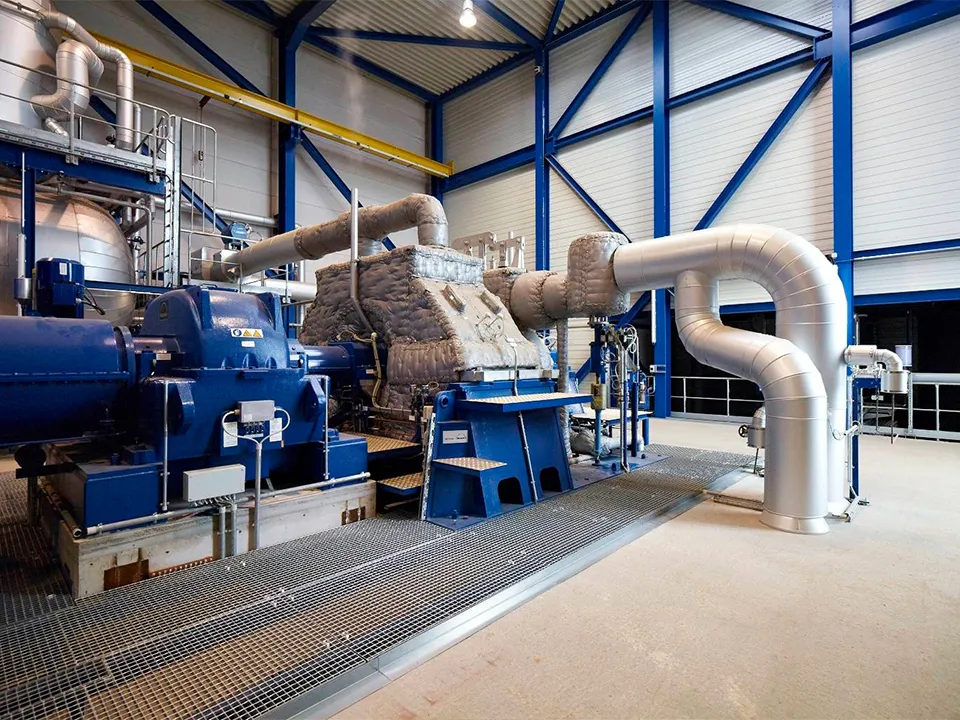
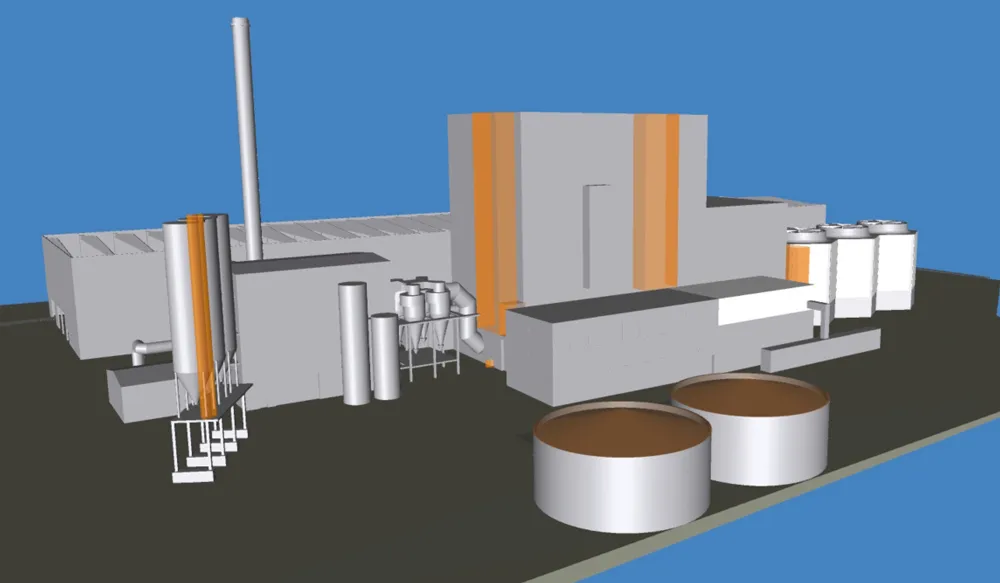
A new green energy plant is due to be built in Vielsalm in 2023, subject to all the necessary permits being granted.
A&S Energie, a partnership between Aspiravi and Unilin, is responsible for delivering the project. It will be located alongside Unilin’s site in Vielsalm, which will use the heat and electricity generated. Neither party is new to this type of project. They now want to bring the proven concept used in Oostrozebeke and Wielsbeke to Wallonia. “The synergy between a manufacturing company that needs grade A and B wood and an energy company that uses non-recyclable grade B wood as fuel delivers good results,” says Steven Vandenbulcke, plant manager at A&S Energie.
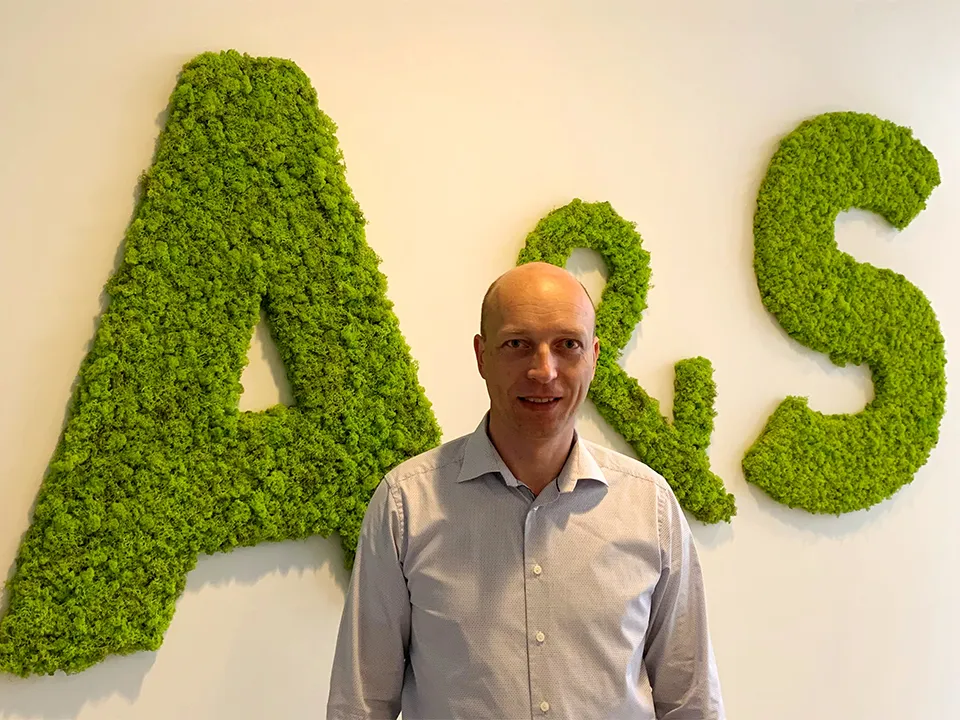
If all the permits are granted, construction of the new green energy plant in Vielsalm will start next year. It will have a thermal input capacity of around 100 MW and will be built close to Unilin’s nearby site. “The detailed study is still under way, but we expect to process around 180,000 tonnes of non-recyclable waste wood per year, producing around 120,000 MWh of green heat and around 180,000 MWh of green electricity. These are our current figures, but various aspects of the design will be further optimised,” says Vandenbulcke. A&S Energie, the joint venture between Aspiravi and Unilin behind the new incineration plant, wants to replicate the proven concept from Oostrozebeke and Wielsbeke in Vielsalm. “Our philosophy is directly in line with what Europe and Flanders want: to limit the use of primary raw materials by prioritising recycling. That is the main focus in the first instance: recovering as much material as possible for particleboard production. Waste wood that cannot be recycled further will then be recovered for energy. It will provide the heat and electricity needed to make new particleboard.”
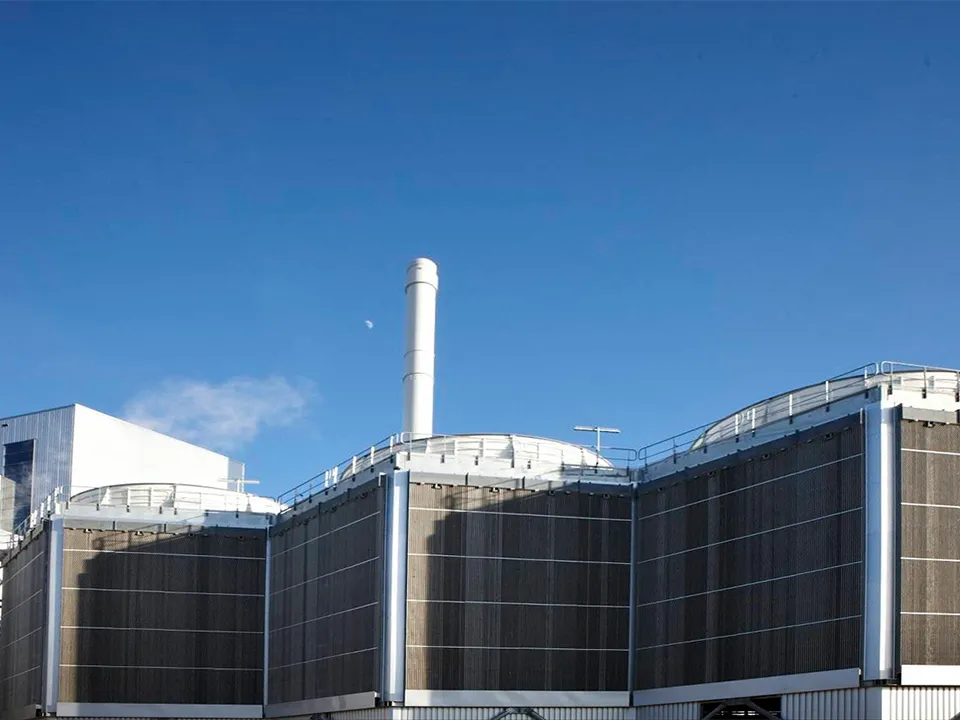
Local supply, local use
Reusing waste wood is therefore the number one priority. Only end-of-life waste wood will be sent to the new energy plant. A&S Energie will also ensure that the distinction between recyclable and non-recyclable wood is measurable. And although more and more waste wood is becoming recyclable as technology advances, there is still more than enough non-recyclable wood waste available to supply energy plants. “We will not be sourcing from far afield. The strength of this concept lies in its local approach. We are mainly looking to work with recycling centres, demolition companies, furniture manufacturers and others within a radius of around 200 km at most of the wood-waste energy plants. The energy we produce, both heat and electricity, will go to Unilin, specifically to a production process that requires steam. Some of the electricity generated will be used by Unilin, while the rest will be fed into the public electricity grid.” However, there will still be heat capacity to spare. A&S Energie wants to explore opportunities for additional projects and partnerships in this area in the future. “For example, a district heating network serving nearby businesses,” Vandenbulcke adds.
Local jobs
A&S Energie is proud that the new project will also create local jobs. Vandenbulcke says: “The new energy plant will directly employ 25 people. A further 75 to 100 jobs will be created indirectly. One of the great things about a project like this is the range of profiles it attracts. It is certainly not only engineers who can work here. We also need forklift drivers, sorting plant operators and staff responsible for monitoring the quality of the wood pre-treatment process.” The total investment is around 100 million euros. Financial support in the form of green electricity certificates is essential to making the project viable. “One important point I would like to make is that people often forget that conventional power plants also receive the subsidies they need to be built. Think, for example, of the new gas-fired power stations needed to compensate for the phase-out of nuclear power. Our project offers a green and more sustainable alternative: a commitment to recycling as much as possible and burning only non-recyclable waste wood,” Vandenbulcke concludes.
Question about this story? Ask your question
Keep following this
Get an email when a new story is published. No account needed.
- ThemeCircular construction and demolition
- SubjectNews







