












Sustainable solution for hazardous healthcare waste
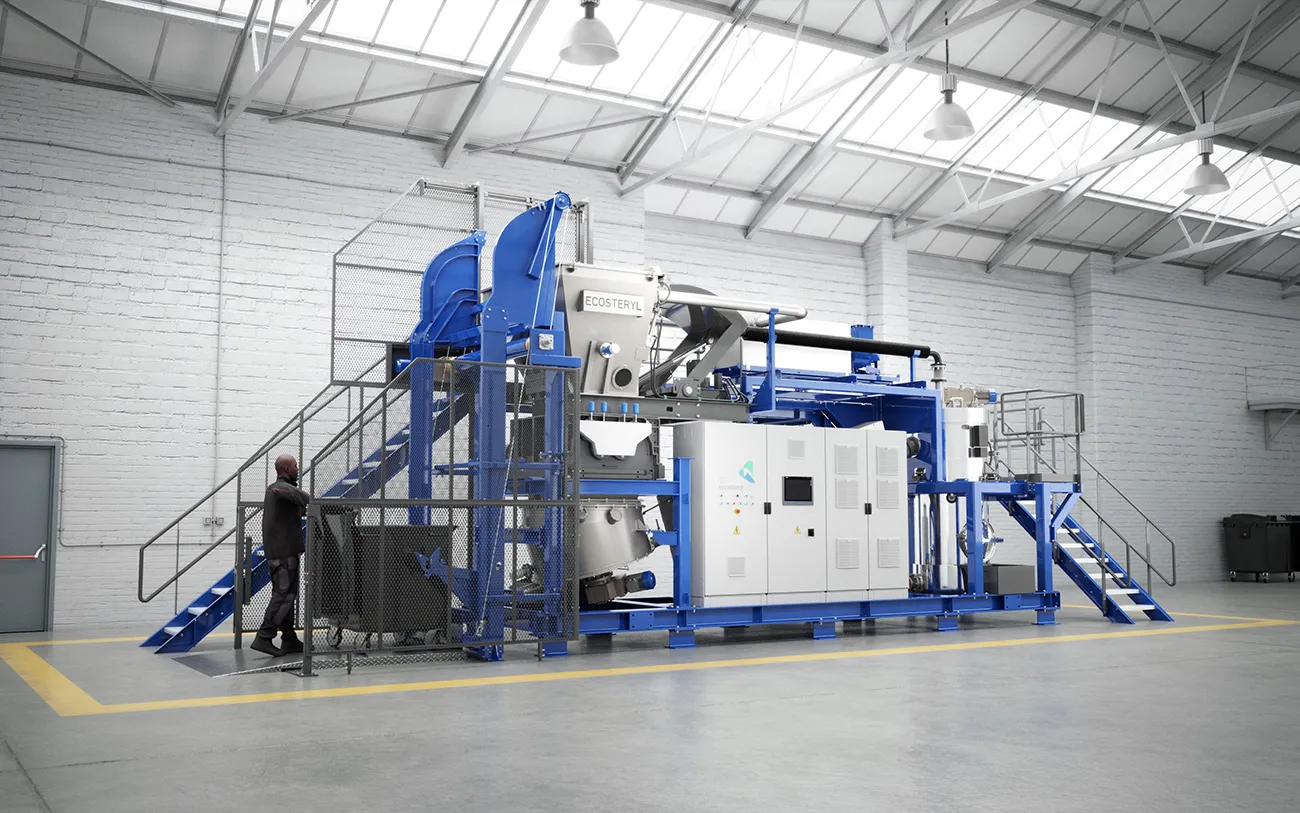
Hospitals are sitting on a mountain of waste. Because of the medical risks, most of it is currently sent to a specialist incinerator. That is a waste, given the cost to society in valuable raw materials and the environmental impact of CO2 emissions. Du-Con Trade and InnoMax are working hard to develop an alternative that offers far greater added value. By decontaminating hazardous healthcare waste first, it becomes suitable for reuse and recycling.
InnoMax has been active in recycling technology for more than 35 years. Together with Du-Con Trade, the company helps customers specify and select the right technologies to recover raw materials from waste as effectively as possible. Managing director Cees Duijn says: “Recycling today should above all be about reuse. Through the sister companies Du-Con Trade and InnoMax, we are putting our expertise to work on projects that help upgrade, recover and recycle waste and residual materials. Du-Con Trade focuses on finding the right technology, procurement, delivery, transport and installation at customers’ sites. InnoMax acts as a consultancy, drawing on its expertise to support recycling companies. We also run Uquip, an online marketplace for buying and selling used recycling machinery and plants, matching them with new owners. This, too, contributes to our mission to treat the environment as sustainably as possible.”
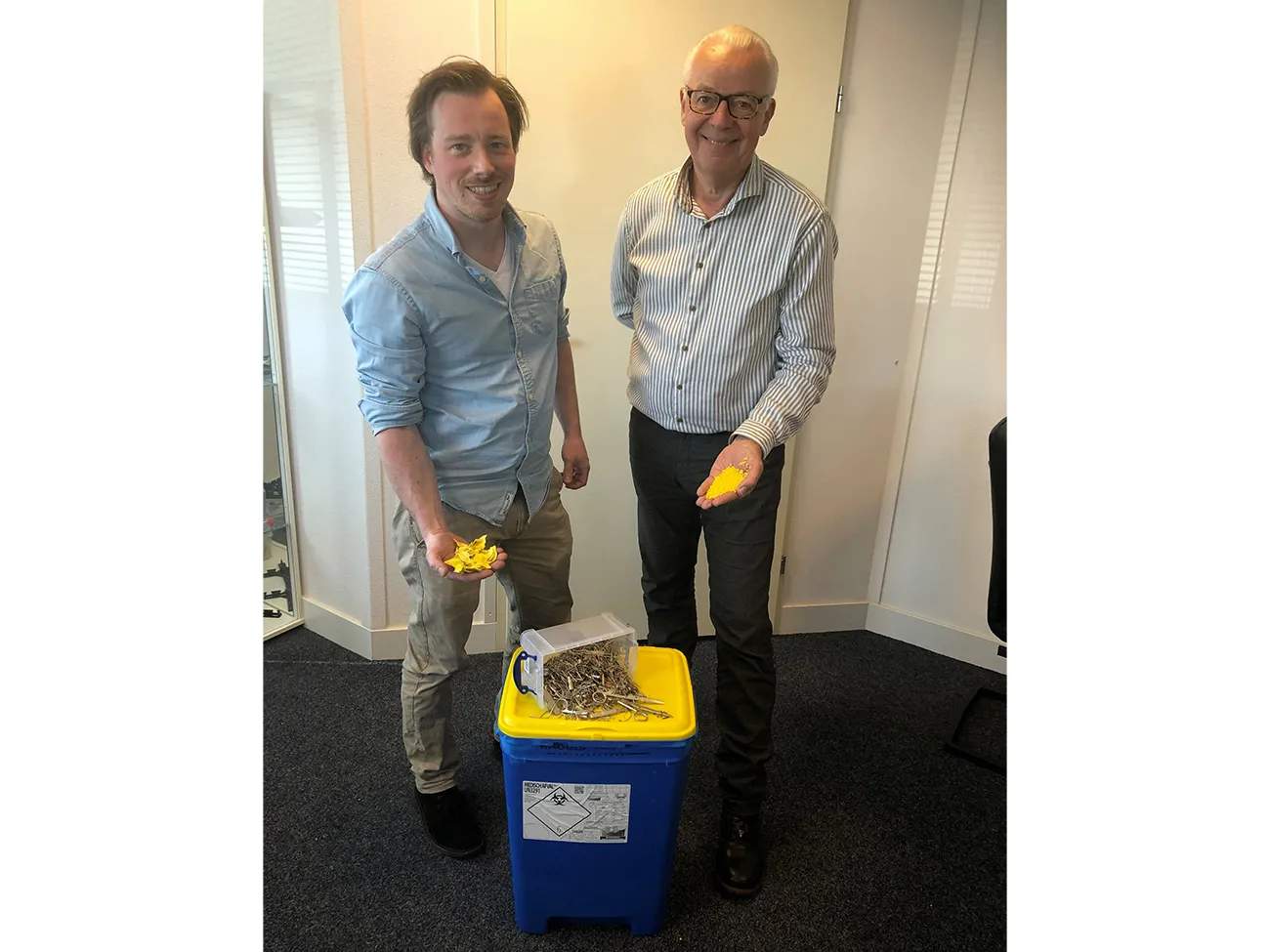
Decontamination, separation and recycling
One area where Du-Con Trade and InnoMax see considerable scope for improvement is hospital waste. “Around 40,000 tonnes of hospital waste are generated in the Netherlands each year. This waste is collected in plastic drums and then taken to ZAVIN (Ziekenhuis Afval Verbrandingsinstallatie Nederland) in Dordrecht, where it is incinerated in the drums. In Belgium, the equivalent facility is Indaver in Antwerp. Incineration puts a considerable burden on the environment, as well as on hospitals’ budgets. The facility has a monopoly and charges between 1,200 and 1,500 euros per tonne. Surely there must be a better way in 2022? We need to use our raw materials more sustainably, especially now that they are scarce and energy prices are soaring.” Duijn found the solution in Belgium, at Ecosteryl in Bergen. “I came across this technology while taking part in a volunteer project in the Philippines. I immediately saw its potential for treating hazardous healthcare waste differently, by decontaminating it. All infectious substances are destroyed, while the raw materials are preserved and can then be separated and recycled. We are now working hard to roll this approach out in the Dutch market.”
Internationally validated
Dutch hospitals were certainly receptive to the plans from Du-Con Trade and InnoMax, which hold a licence to market Ecosteryl’s technology. It enables them to take the next steps towards their sustainability goals. However, getting started proved far from straightforward. “Securing the necessary permits involves a great deal of work because we are dealing with hazardous healthcare waste. Fortunately, the strong Du-Con Trade–InnoMax partnership has a wealth of expertise. We started working through all the legislation to prepare a position paper on how we can help the healthcare sector become more sustainable. These plans have since been assessed against LAP3 sector plan 18 and further validated by Royal HaskoningDHV. We want to be able to show customers in black and white that all environmental standards have been met, and what the solution delivers in terms of sustainability.” The next step is a pilot project in Beverwijk to demonstrate the technology at industrial scale. “Our test set-up has already shown that it produces very high-quality plastics and metals, materials that the recycling sector is crying out for. This means our solution can create enormous added value on the path to carbon neutrality. We then want to bring it to Flanders too, in accordance with VLAREMA.”
Question about this story? Ask your question
Keep following this
Get an email when a new story is published. No account needed.
- ThemeMaking use of textiles and other waste streams
- SubjectNews







