












Sustainable plastic recycling through dissolution
Text Valérie CouplezImage TNO
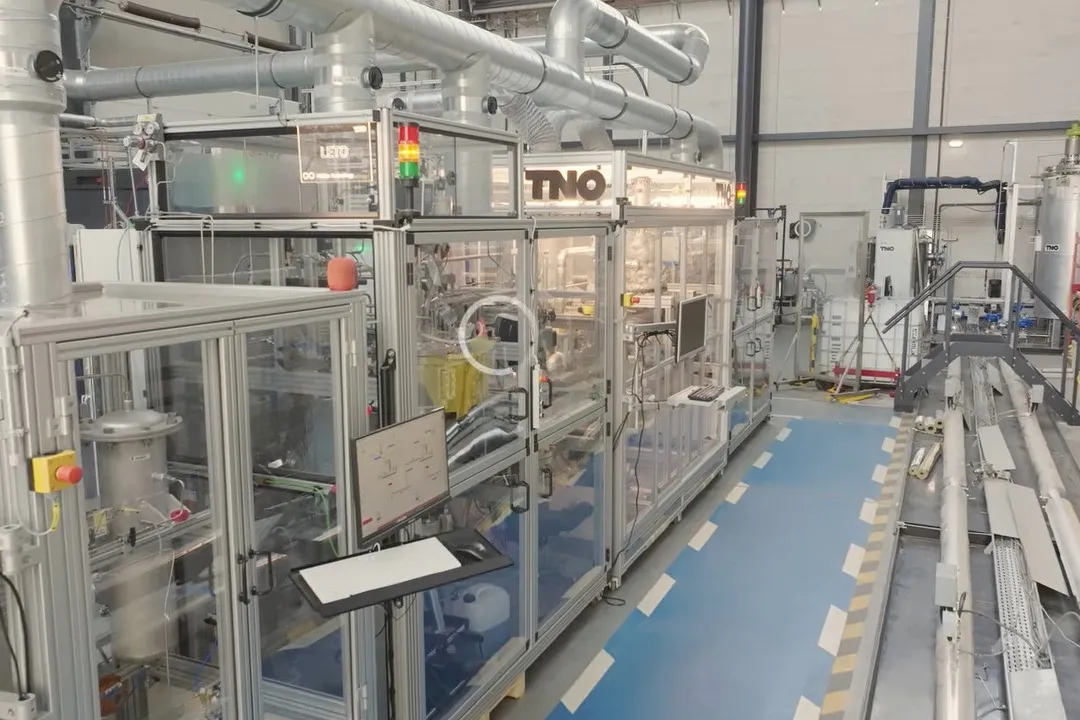
It is no secret that this has been a difficult year for many companies active in recycling. That makes the particularly impressive initiatives and investments aimed at taking recycling to the next level all the more worthy of recognition. RecyclePro is therefore ending the year with three exciting innovation projects. At TNO, for example, work is under way on a future in which high-quality plastics can be reused without compromising on quality. The solution? Dissolution: an innovative recycling technology that dissolves and purifies plastics, then recovers the polymer. TNO has just taken the next step in scaling up the process. So it is well worth a visit.
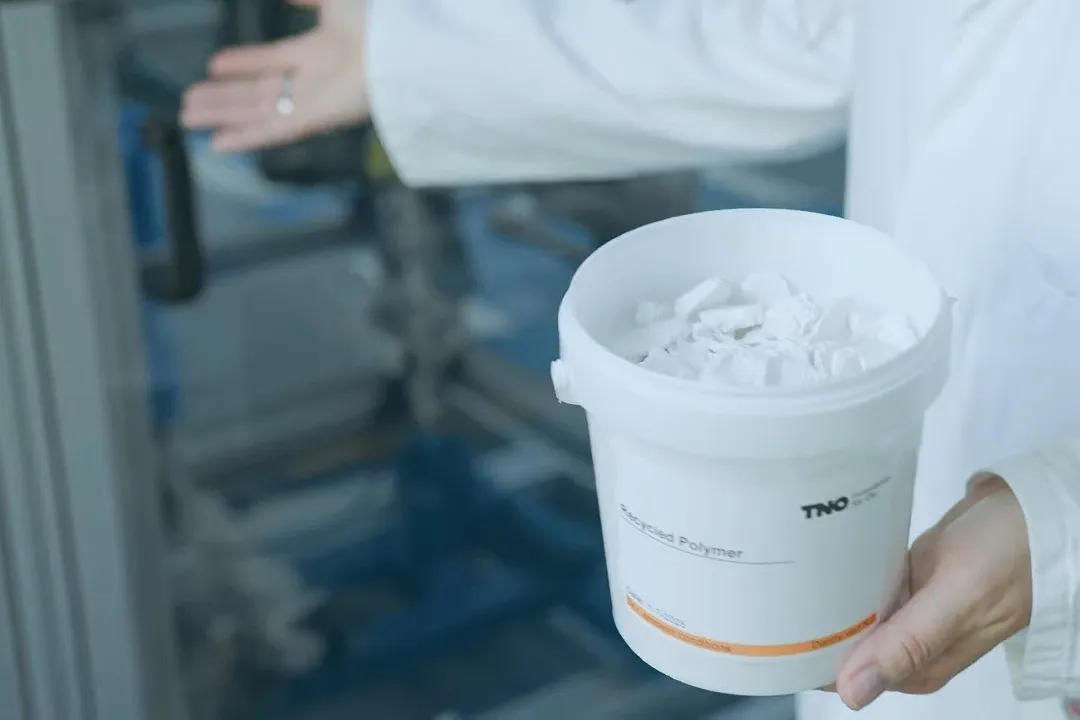
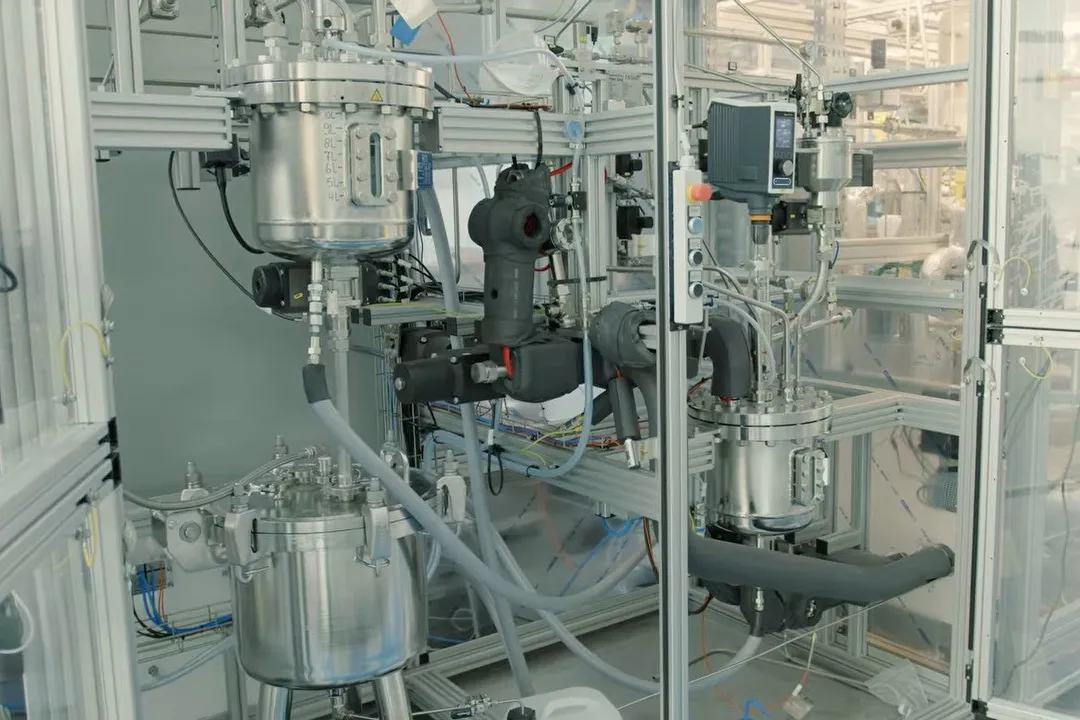
The TNO Möbius programme developed a pathway from laboratory tests to industrial application. With this latest set-up, the TNO Möbius LETO, TNO is ready to take the next step towards further scaling up and demonstration in industrial settings, together with market players. This semi-continuous plant processes plastic waste at kilogram scale (TRL 5) and produces purified polymer powder. This allows the team to analyse precisely which applications the recyclate is suitable for, from toys to packaging and automotive parts. The technology behind the TNO Möbius LETO was developed in response to the need to recover high-quality polymers from waste streams that are difficult to recycle. But the market is changing. TNO is therefore also looking at recovering valuable additives, such as an antimony-based compound (a Critical Raw Material) used as a flame retardant. This strengthens the business case and increases the impact.
Collaboration as a catalyst
In the European ABSolEU project, TNO is working with three brand owners, LEGO, Volvo and BIC, among others, on circular applications for ABS plastics. With the TNO Möbius LETO plant now operational, ABS waste from end-of-life vehicles and electronic products can be tested at TRL 5 for the first time. The team is investigating whether the recovered material meets the quality requirements of the intended applications, a crucial factor in determining the next step in development. This real-world application at TRL 6, or ‘TNO Möbius LETO in an industrial setting’, is taking place at a customer site. TNO is joining forces with Royal Dahlman to apply its advanced filtration technology in the filter module of the TNO Möbius LETO. The aim? To accelerate the route to successful market adoption of high-quality recycled plastic. In collaboration with Braskem, TNO is investigating the recovery of polyolefins from mixed plastic streams. This collaboration examines feasibility and scale-up, with the aim of producing near-virgin polymers. Here too, the focus is on purifying and separating polymers and additives, for applications including packaging. Finally, work with Elix Polymers focuses on recycling ABS polymers from discarded electronics. The research explores how dissolution can be used to recover both polymers and flame retardants. This collaboration targets high-quality applications for recycled ABS while retaining material quality and energy efficiency.
Why dissolution?
Mechanical recycling often fails to meet the requirements of high-quality applications. Chemical recycling is costly and energy-intensive. Dissolution offers an attractive alternative:
- High-quality recyclate;
- Removal of unwanted or banned additives;
- Recovery of valuable substances, such as flame retardants;
- Lower energy consumption than chemical recycling;
- Suitable for a range of polymers;
- Effective for multi-material plastic waste that is difficult to recycle;
- Selective separation of the target polymer from mixed streams.
Ready for the market
TNO offers a flexible testing environment in which a wide range of polymers and solvents can be investigated. Its open innovation approach makes this infrastructure accessible to partners wishing to work together on circular solutions. A licensing model enables scale-up and implementation. With the TNO Möbius LETO plant, TNO is ready for further collaboration with the market. It is now seeking partners to take the step towards industrial deployment together.
Question about this story? Ask your question
Keep following this
Get an email when a new story is published. No account needed.
- ThemeMaking plastics and packaging circular
- SubjectNews







