












Supermarket chain embraces circular construction
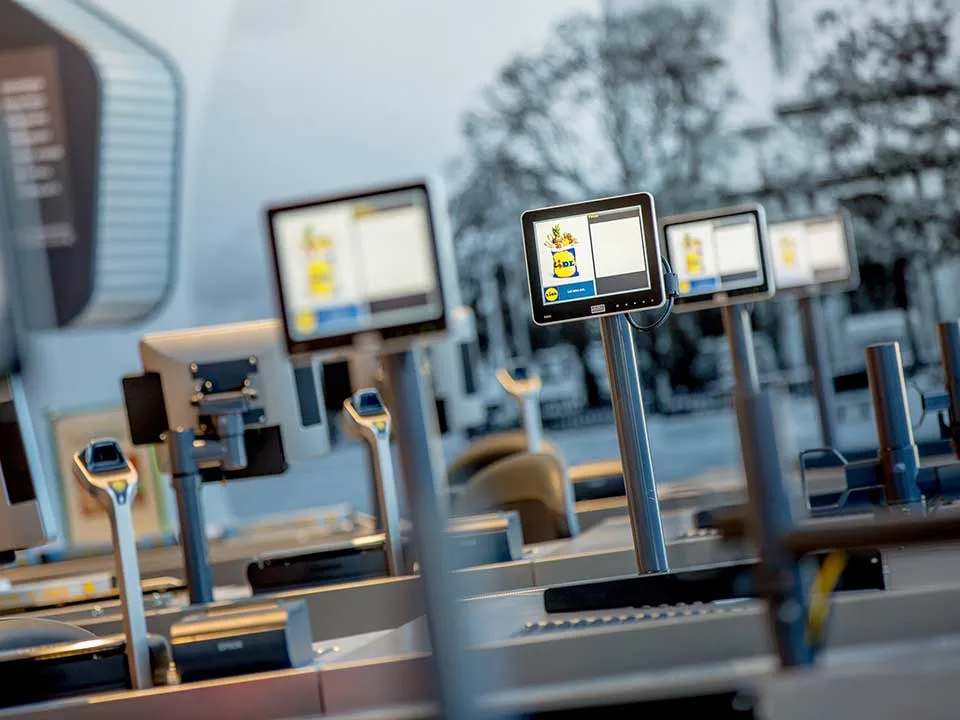
A brand-new store opened at Kasteelstraat 65 in Buggenhout in December.
The new Lidl store is twice the size of the old one, which was demolished in February this year. More notably, however, by demolishing and rebuilding the store, Lidl is taking its first steps towards circular construction.

With an SBTi-certified sustainability strategy, Lidl aims to rank among Belgium’s most sustainable retailers. One part of this strategy is a focus on circular construction. To this end, the retailer partnered with VITO. Initially, VITO monitored the demolition of the old Lidl store and identified improvements to maximise the recovery of construction and demolition waste. VITO is an independent Flemish research organisation specialising in cleantech and sustainable development. Jef Bergmans, researcher at VITO: “By thoroughly analysing recycling streams from the demolition of existing stores, we can advise Lidl on improving the recycling of construction waste and make suggestions on material choices and construction techniques for new stores. This is the only way to bring the environmental impact down to zero, which must be the goal of circular construction.”
Roofing: mechanically fixed rather than bonded
VITO’s analysis found that current recycling practices are well monitored, and put forward several suggestions. One very concrete example is to stop bonding the roofing and instead mechanically fix it with screws, so that it can be recycled later. In the next step, the environmental impact of the current store concept will be assessed using the TOTEM tool (Tool to Optimise the Total Environmental impact of Materials). “This makes Lidl a pioneer in the retail sector. The tool will help Lidl choose materials with a lower environmental impact and thus contribute to reducing CO2 emissions,” says Yuri Vandenfonteyne, Lidl store construction project manager.
Free charging infrastructure for electric cars and bikes
The store features a range of sustainable construction techniques that keep energy consumption to an absolute minimum. Solar panels on the roof, for example, power the charging points for electric cars, among other things. These fast chargers are available to customers, who can charge their cars for free while they shop. Charging facilities for electric bikes are also provided in the bike shelter. The store has a total of 90 parking spaces.
Question about this story? Ask your question
Keep following this
Get an email when a new story is published. No account needed.
- SubjectNews







