












Structural cost reductions can save the Dutch plastics recycling sector
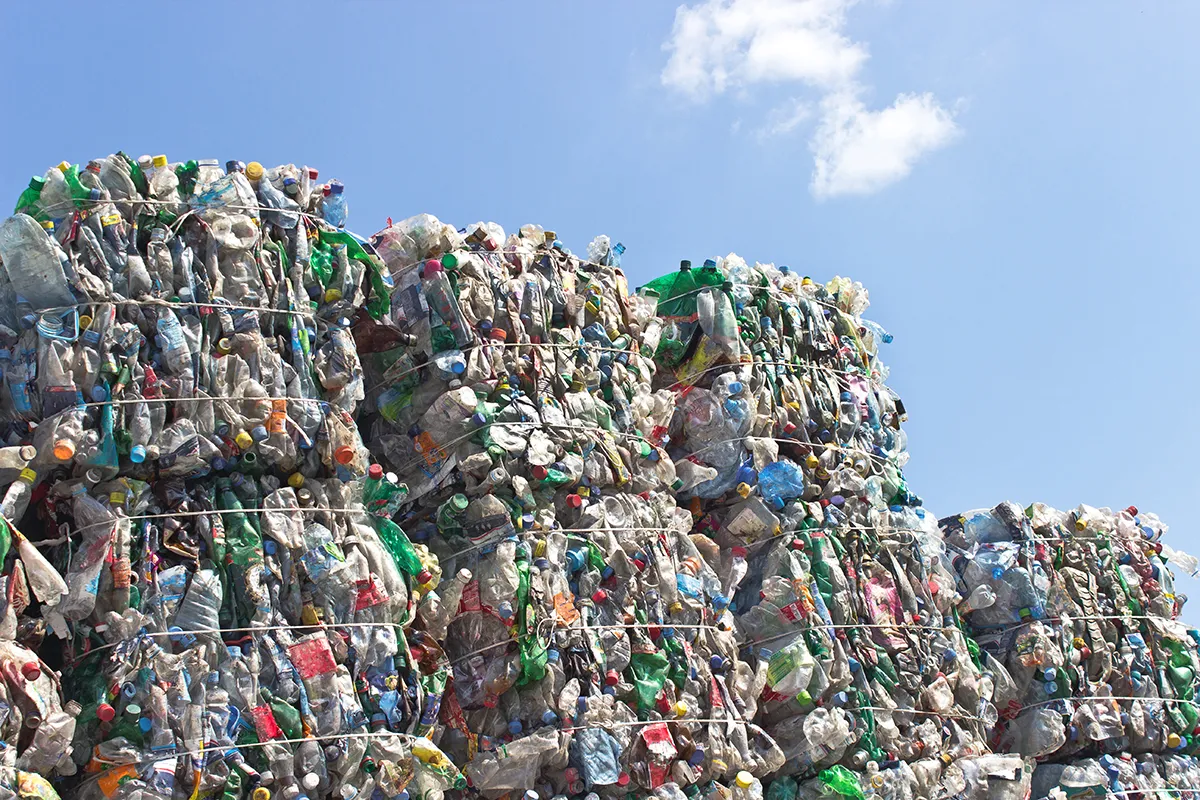
The mechanical recycling sector in the Netherlands is under severe pressure. Bankruptcies are mounting, while European legislation such as the Packaging and Packaging Waste Regulation (PPWR) calls for greater use of recycled plastic. Without intervention, vital infrastructure for a circular economy will disappear, along with the Netherlands’ leading position in Europe on circular plastics. New research by Copper8, SD&Co, Verpact and Invest-NL shows that structural cost reductions are needed to make the recycling sector profitable and future-proof.
First modelling of policy measures
For the first time, a system dynamics model has been used in the Netherlands to calculate the impact of various policy measures on the profitability of mechanical recyclers, CO₂ emissions and the use of recyclate. The research focuses on the stream of household plastic packaging waste (also known as ‘LDPE’) collected through the EPR system and mechanically recycled. It shows that Dutch recyclers cannot compete without structural cost reductions. Examples of effective measures include a subsidy to cover the funding gap or tax incentives that give recyclers a level playing field with virgin plastic.
A total of ten policy measures were modelled, including a CO₂ levy, pricing measures, technological innovation and import restrictions. However, these measures are not sufficiently effective without structural cost reductions.
Causes: high costs and import competition
In 2024, seven Dutch recyclers went bankrupt. In 2025, several production lines were shut down. Dutch recyclers face high energy prices, stricter environmental regulations, relatively contaminated waste streams and comparatively high labour costs. At the same time, imports of cheap recycled plastic from countries including China and the US are increasing. This leaves Dutch companies with little chance of competing, even though investment in quality and circularity is urgently needed.
More than subsidies alone is needed
While reducing costs is crucial, other conditions are also important for a healthy recycling market: greater demand for recycled plastic, higher-quality waste streams and technological innovation to increase yields. A coherent package of measures is needed, with cost reductions as a fundamental element.
Without action, the sector will disappear
Preserving a strong Dutch recycling sector is a political choice. Without government intervention, the sector will shrink and jobs, expertise and circular infrastructure will be lost. This will also jeopardise the implementation of European legislation and the achievement of climate targets. Structural funding delivers immediate benefits: lower CO2 emissions, a fairer playing field and the opportunity to build a robust circular economy in the Netherlands.
About the research
The report “A circular economy for plastics recycling” was produced by Copper8 and SD&Co, with input from Verpact, Invest-NL and other value chain stakeholders. It is being published ahead of the circular economy and plastics recycling committee debate in the Dutch House of Representatives on 11 September 2025.
Read the report here: Structural cost reductions can save the Dutch plastics recycling sector
Documents: CIRCUL1.pdf
Question about this story? Ask your question
Keep following this
Get an email when a new story is published. No account needed.
- ThemeMaking plastics and packaging circular
- SubjectNews







