












Sorting and processing costs soar Highest increase in waste charges in 26 years
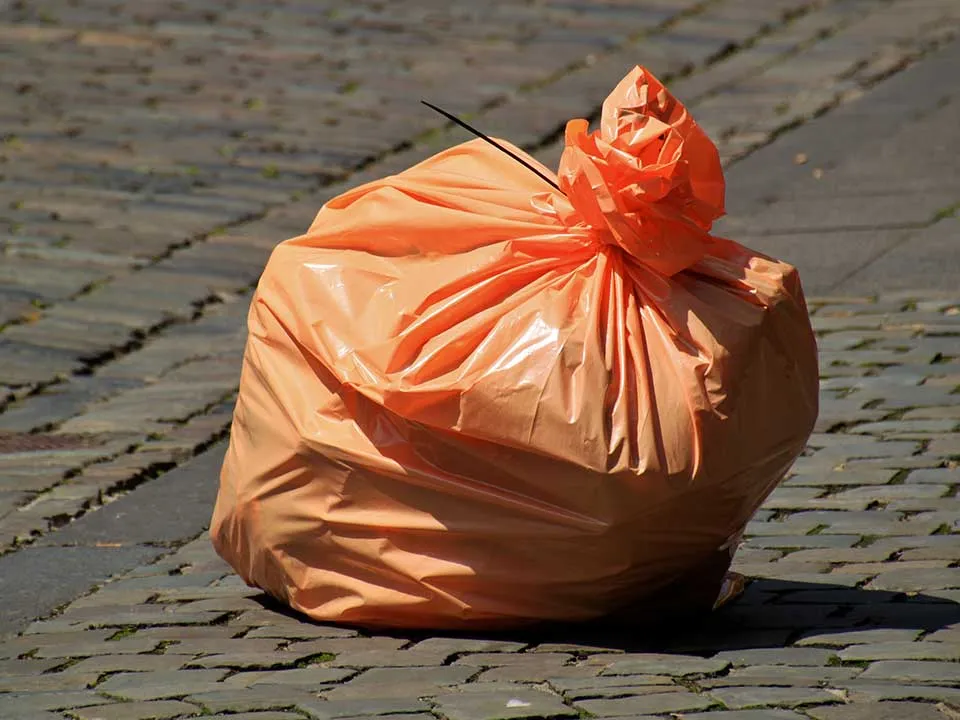
Waste collection and cleansing charges are set to rise more sharply in 2021 than ever before.
Of the three main municipal charges, revenue from waste collection charges and cleansing fees is rising the fastest, by 10.0 per cent. This is according to figures from Statistics Netherlands (CBS).
Municipal revenue from waste collection charges and cleansing fees is expected to rise by 10.0 per cent this year to 2.2 billion euros, the largest increase in 26 years. Municipalities had already budgeted for a substantial increase in 2020, of 8.4 per cent. Until 2019, the total budgeted revenue from cleansing charges across all municipalities had barely changed for years. The rise in cleansing charges is due to increasing waste collection and processing costs and falling revenue from waste streams such as glass, plastic and paper. This is reflected in higher waste collection charges. After all, waste collection charges and cleansing fees may not generate more revenue than the associated task or service costs.
Cleansing charges are not rising at the same rate everywhere. The biggest increase is in the municipality of Berkelland in Gelderland, where the charge is going up by 48 per cent. This year, Utrecht and The Hague are recording increases of 24 and 21 per cent respectively. Charges are also rising by 30 per cent or more in places such as Doetinchem, Sliedrecht, Weert and Nieuwegein. Rotterdam residents are getting off lightly, with an increase of 3 per cent. Of the major cities, Amsterdam has the sharpest rise in costs, at 26 per cent.
The biggest problem is that revenue from collected and processed waste is falling. This applies not only to waste paper, which municipalities sell on the market, but especially to collected plastic. What is more, collected plastic is becoming increasingly contaminated. Because of this growing contamination, the processing industry is paying less for the collected plastic.
The Dutch policy of separating as much waste as possible and generating as little residual waste as possible is therefore clearly driving up costs and reducing revenue. The cost of incinerating residual waste is being increased by raising the tax on its incineration. Ultimately, citizens bear these costs. As it becomes increasingly difficult for residents of different municipalities to get rid of their residual waste, people are putting more of it in waste paper, clothing and the separately collected bags or containers for plastic, cans and beverage cartons. The result is increasing contamination.
Another important factor behind the fall in revenue is that China stopped importing our waste. And then there is coronavirus, which experts say has led to 10 to 25 per cent more waste.
Question about this story? Ask your question
Keep following this
Get an email when a new story is published. No account needed.
- SubjectNews







