












Smoke detection cameras at Biostoom
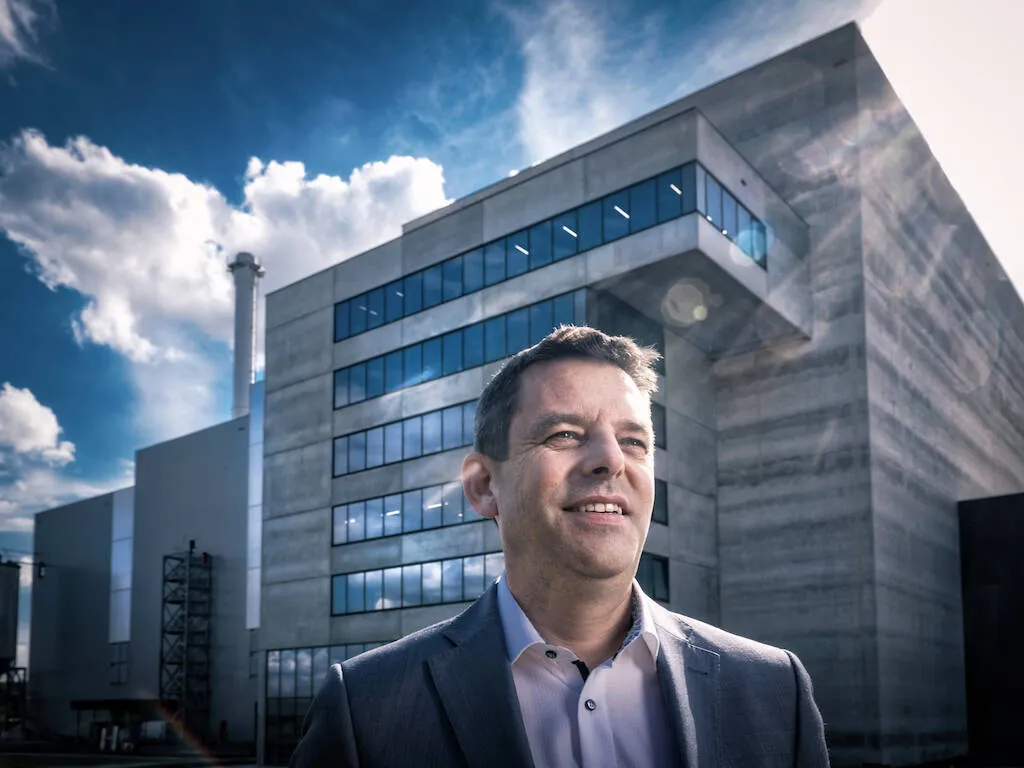
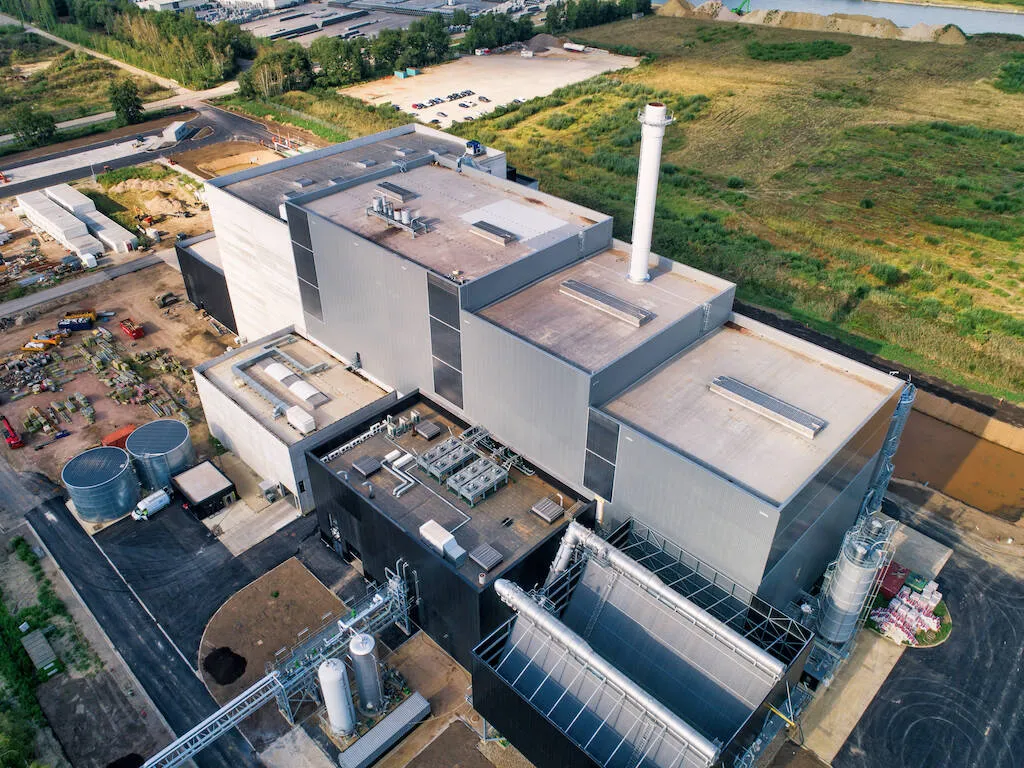
There has been white smoke in Beringen since September 2020. The Biostoom waste incineration plant was finally able to officially start operations, converting 200,000 tonnes of non-recyclable waste into green energy.
‘Fire detection systems must operate without alarms 90 to 95% of the time’
“This means our employees receive the right information at the right time. The minutes saved can be extremely valuable in the event of a fire,” explains Philip Peeters, managing director of Biostoom Beringen.
Since September last year, Biostoom’s waste incineration plant has been processing household residual waste collected in Limburg. The old plant in Houthalen was replaced by state-of-the-art technology in Beringen, designed to maximise energy recovery. “This means heat applications in the first instance, which explains why we came here. We can supply heat to our neighbour, Borealis Polymers, via a high-pressure steam pipeline. We also want to explore similar synergies with future businesses on this site.” A total of 200,000 tonnes of residual waste will be processed into green energy each year. Fire safety also received a great deal of attention as part of the investment. “On the one hand, the activities in our sector inherently carry a fire risk. On the other, temperatures in our plant can reach 1,000 °C or more. You want to be certain that no ignition spreads.”
An integrated concept built to stand the test of time
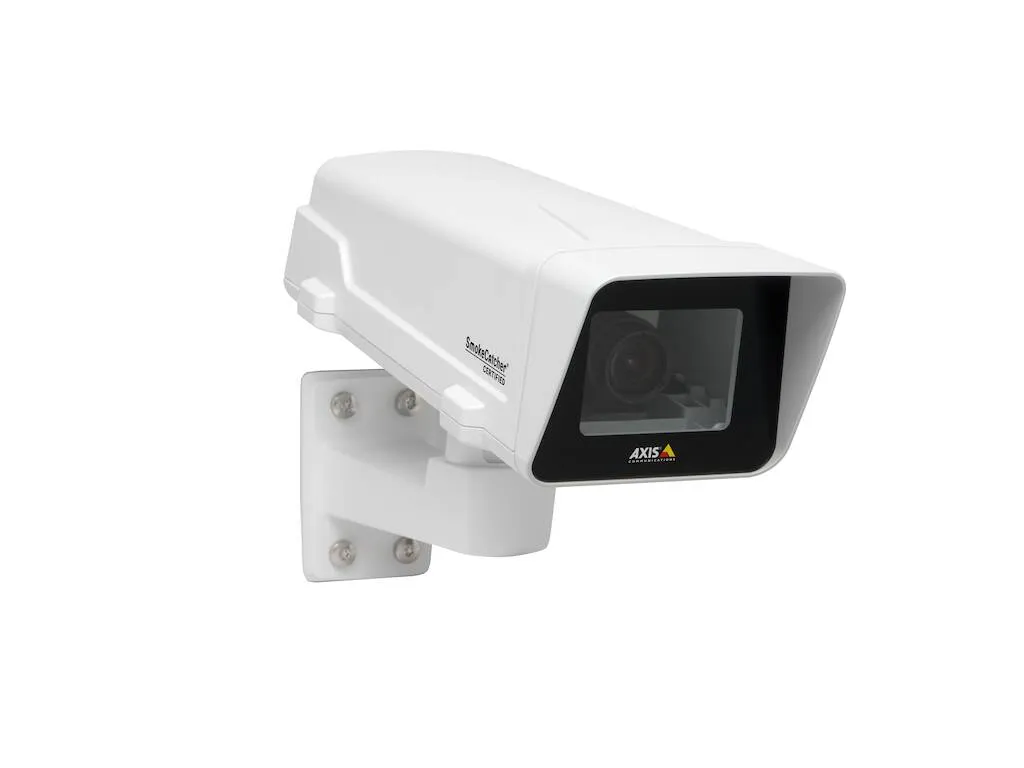
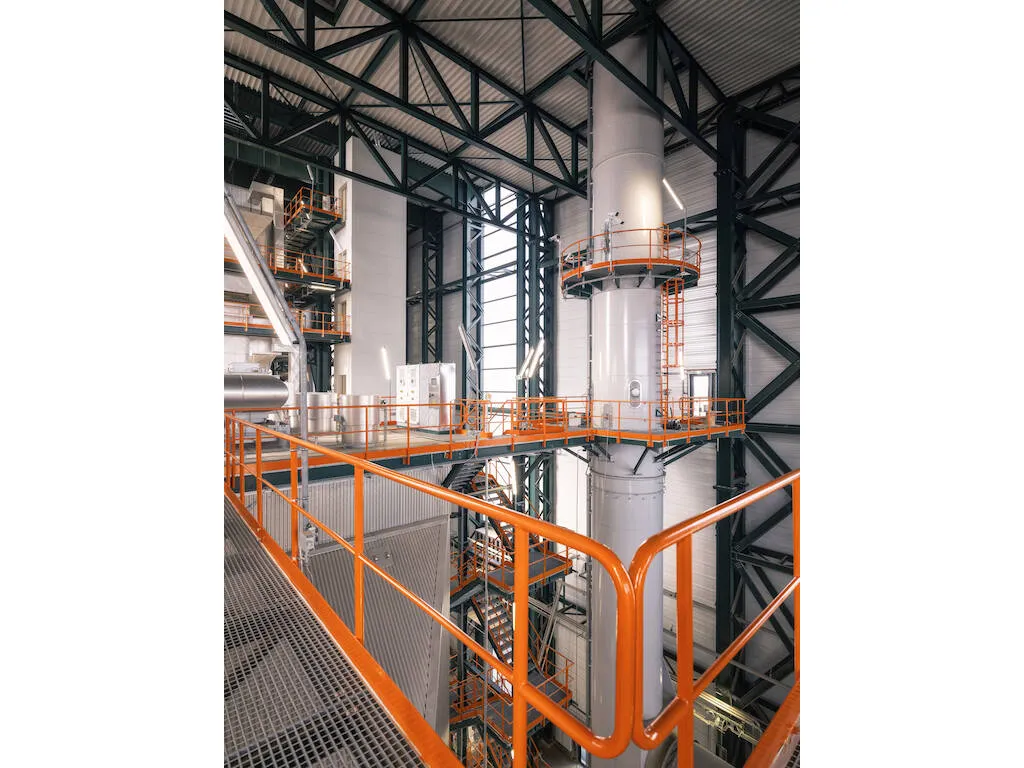
Drawing on its experience with the previous waste incinerator, Biostoom Beringen drew up a comprehensive specification for fire safety at the plant, covering three areas: prevention, detection and suppression. “Together with the suppliers, we then expanded on that foundation with other connections that could add value. It was important to us to develop an integrated concept that would stand the test of time. We don’t want to find ourselves, five years from now, realising that our solution is no longer adequate or no longer supported. Those were two clear points in Siemens’ favour,” says Peeters. They then worked step by step to ensure that every space was adequately protected against fire. “In consultation, we chose the best technology for the conditions in each space and the risks involved. Alongside the necessary attention to the storage bunker, where the fire load is greatest, the production hall presented an interesting challenge. Given the large size of the space, conventional solutions would have required a large number of detection points. Araani’s smoke detection cameras, by contrast, gave us a clear overview of the space with a minimum number of detection points, ensured rapid detection and were self-learning, minimising unnecessary alarms.”
A virtual assistant
For Peeters, this is a particularly important part of the story. “Fire detection systems must be able to operate without faults or alarms 90 to 95% of the time. Otherwise, your employees’ vigilance will suffer.” In addition to Araani’s smoke detection cameras, the system also includes flame detection (in dusty environments), thermal cameras (in the storage bunker) and Siemens aspiration technology (which detects unusual situations in electrical cabinets and installations very quickly). All signals come together in Siemens’ Sinteso fire detection control panel, which is in turn seamlessly integrated into Desigo CC, the German specialist’s building management system. Peeters says: “In effect, this gives us an extra member of staff, a virtual assistant that provides the right information at the right time, without us having to look for it. For example, when an Araani camera detects smoke, the control room immediately receives the image, so staff can see what is happening. They know straight away what action is required. This allows us to minimise the time between detection and response. That applies to fire detection, but equally to access control, security footage …”
System already proven in practice
The technology selected by Biostoom Beringen was well established, and collaboration with Araani and Siemens also went smoothly. The biggest challenge was waiting for all the components to arrive so they could be brought together into one integrated system. “Fire safety is crucial. You want it operational straight away. But because we had opted for an integrated approach, not everything was 100% functional from the outset. Sometimes we had to wait for components that could only be installed at a later stage. Even so, the fire safety system has already proven its worth. During start-up there were a few teething problems, which led to heat developing. However, detection happened straight away, allowing the operators to intervene before it became a problem. I am convinced that other detection systems would have missed this or only picked it up much later,” concludes Peeters.
Question about this story? Ask your question
Keep following this
Get an email when a new story is published. No account needed.
- ThemeSafe and clean processing
- SubjectNews







