












Scrap company grows into high-grade aluminium processor
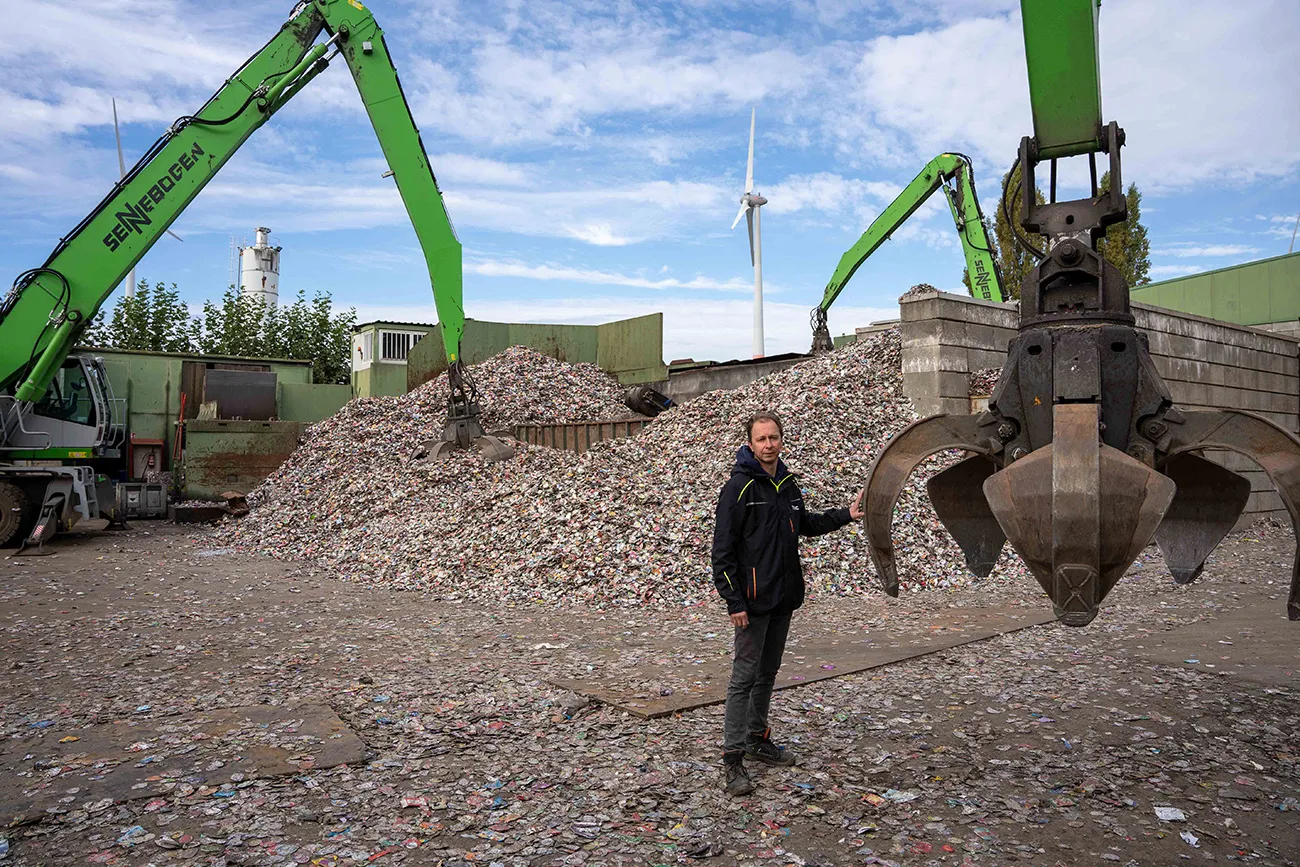
TARC, The Aluminium Recovery Company, made the move from scrap dealer to scrap processor more than a decade ago. High-grade aluminium streams are now exported throughout Europe. Planned production lines will enable it to recycle waste streams further.
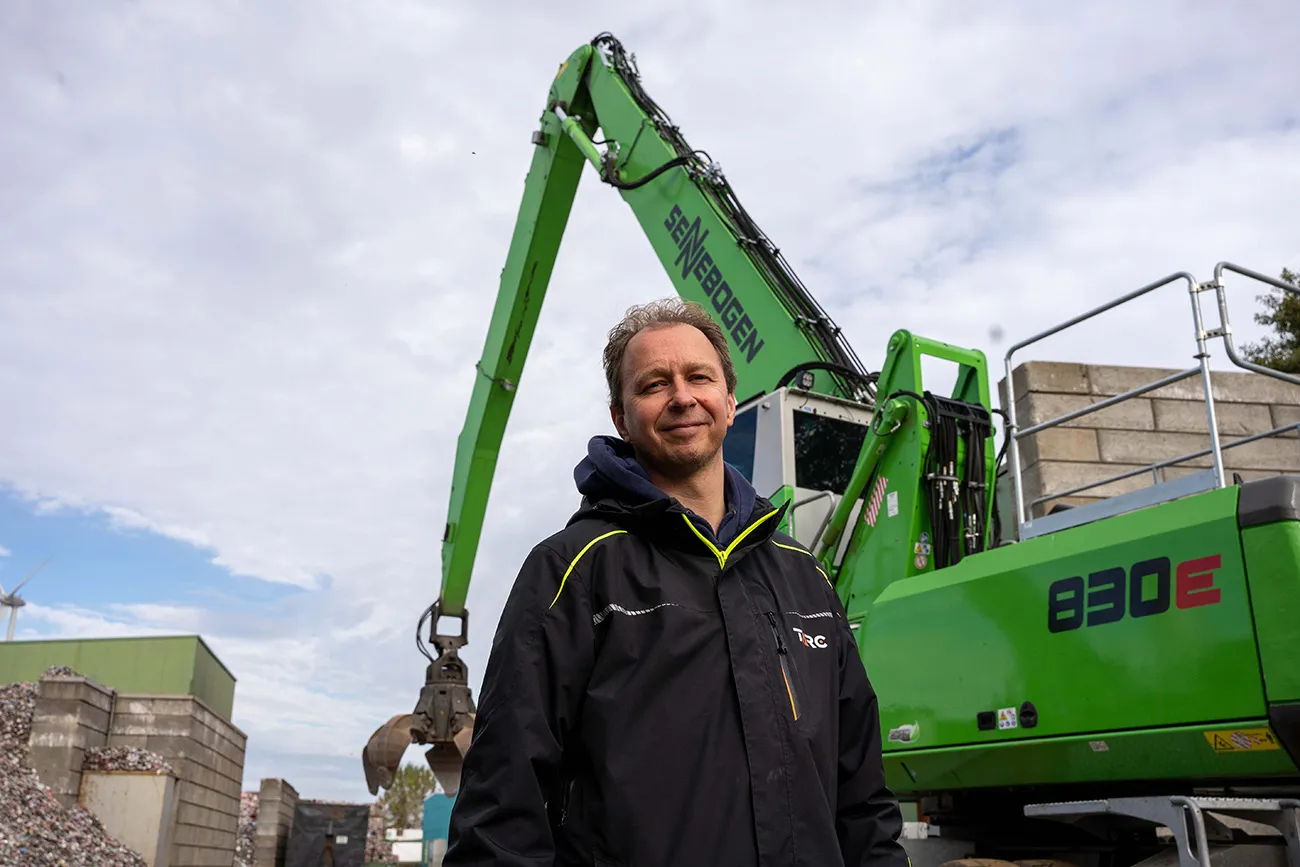
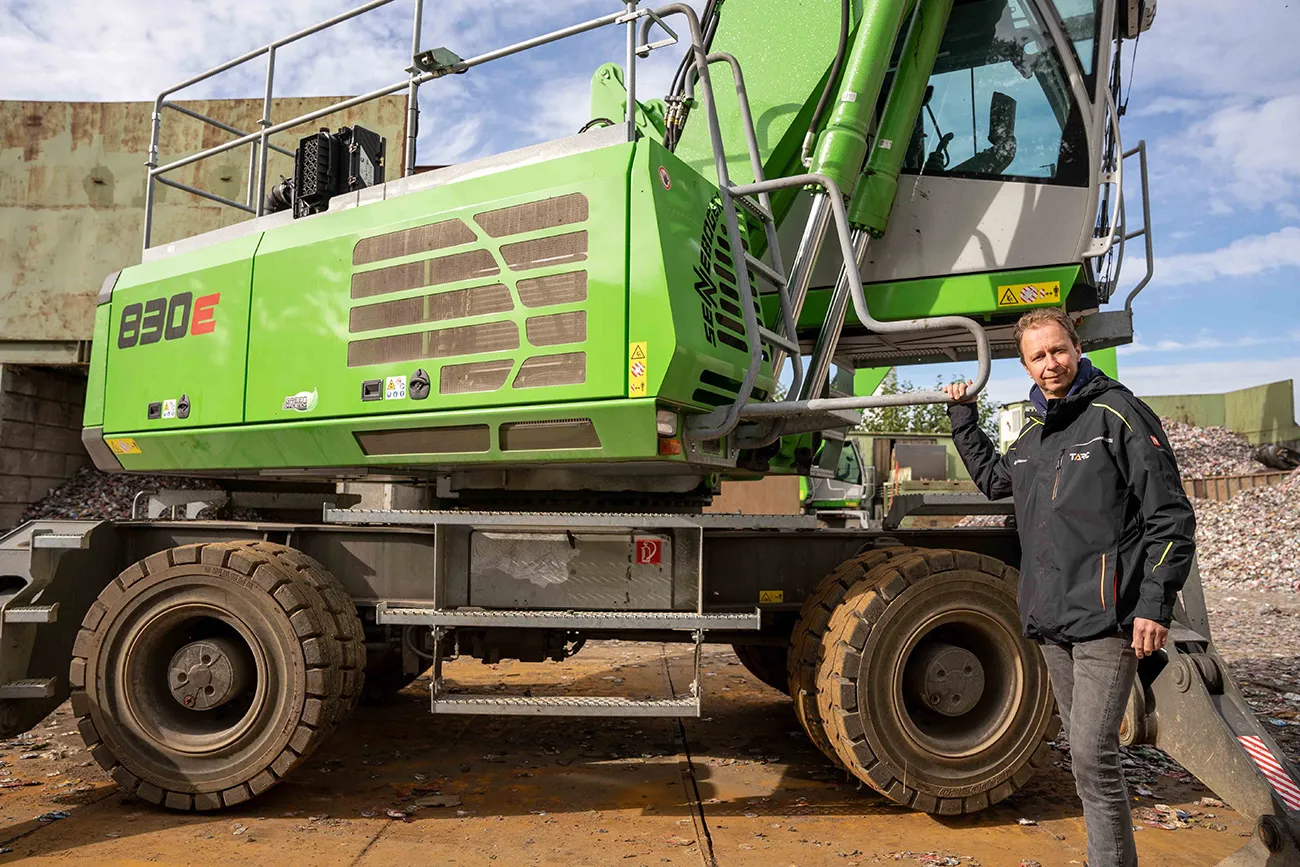
Three green booms of the Sennebogen material handler tower above TARC’s site on the industrial estate in Balen. “Fifteen years ago, we chose Sennebogen for the first time because of the platform mounted on the cab. It makes the operator’s job much safer,” explains site manager Hubert Van Dalen. The platform is now also available as an option on other brands, but the scrap processor has remained loyal to Senneboog. “It’s a relatively small machine with a long reach. That’s ideal for us because we have relatively little space on site,” he continues. The three rarely leave their positions, transferring aluminium from the various bunkers to different processing lines.
Replacement after four years
At the scrap processor, the material handlers work for 10,000 hours before being traded in for new ones. The company does this to ensure operational reliability. Another new 830ME is due to be delivered shortly. The latest delivery, in November last year, was a variant with a cab that can optionally be raised by 80 cm, and was also fitted with the MaxCab 2 Comfort cab for improved visibility. Van Dalen says the scrap processor does not cut corners on the quality of its cranes or other machinery. The entire production process depends on them. “We’re not a large company with twenty cranes. If one of our cranes breaks down, production comes to a standstill straight away.” The increased importance of the cranes reflects the company’s development: until ten years ago, it was primarily a scrap dealer.
From dealer to processor
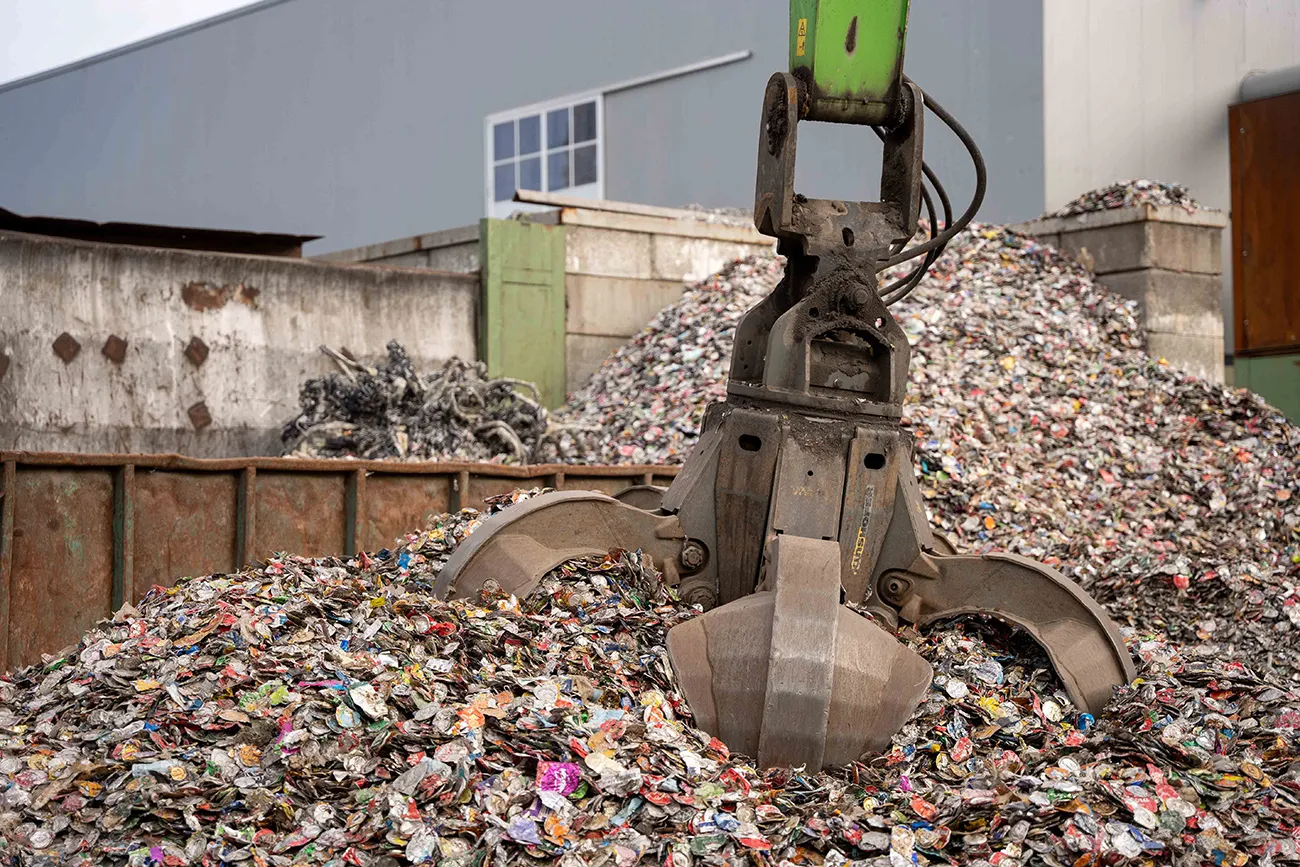
Around the turn of the millennium, CEO Michael Nelissen decided to focus on processing aluminium rather than trading scrap. What began with a single sorting line gradually grew into six processing lines and four shredding installations, with the scrap processor specialising in three aluminium streams: cans, mixed aluminium and window profiles. The recycled streams are exported to smelters throughout Europe. Contrary to what might be expected, TARC is not benefiting from the rise in aluminium prices caused by high energy costs. “On the one hand, the high price has reduced demand for aluminium, while on the other, remelting costs have risen. Smelters have therefore cut back production, which means there is also less demand for our product,” says Van Dalen. However, the market setback has not deterred the aluminium specialist from continuing to develop. This year, it is investing no less than €10 million in a new processing line and associated infrastructure.
Sustainable aluminium
The aim is not to increase volume, but to process internal waste streams further into raw materials, says the TARC manager. “In the long term, we want to fully process all incoming streams.” The outlines of this infrastructure are visible behind the warehouse, alongside the impressive aluminium processing line that separates five different fractions. A concrete floor and thick walls form the foundations of what is set to become a new production hall later this year. “The processing line that handles shredder residue will be housed in this building. At present, it still goes to the incinerator, but we want to recover the full value of this fraction too.” The multi-million-euro investment reflects TARC’s unwavering confidence in the future. The company is not only committed to sustainability, including through the use of solar panels, but is also firmly convinced that aluminium is the metal of the future. “Once it has been produced, aluminium can be recycled indefinitely. That makes it highly sustainable,” Van Dalen concludes.
Question about this story? Ask your question
Keep following this
Get an email when a new story is published. No account needed.
- ThemeRecovering metals and creating value
- SubjectNews







