












Safety in waste collection
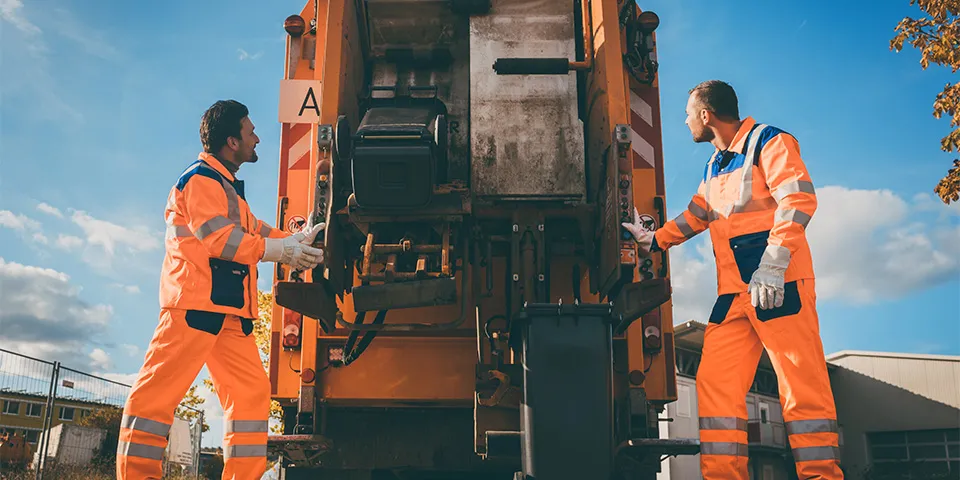
According to figures from Fedris, 405 accidents involving at least one day of temporary incapacity occurred in waste collection, processing and disposal in 2018. They resulted in 12,166 lost days. Statistics also show that every waste collector encounters at least one instance of inappropriate behaviour from other road users each day. It is high time, then, to highlight safety in waste collection. This is what waste management intermunicipal associations did during the first Waste Collector Week at the end of November.
The waste sector has a relatively poor accident record compared with other sectors. Although most accidents occur during processing, safety during waste collection also deserves due attention. Every day, waste collectors brave all weathers so that we can dispose of our waste easily. Most hazards are associated with unsafe traffic situations. Other risks during collection include falls and exposure to hazardous substances.
A survey of waste collectors found that, on average, each collector experiences inappropriate behaviour from other road users once a day.
Inappropriate behaviour from other road users
A survey of waste collectors found that, on average, each collector experiences inappropriate behaviour from other road users once a day. This could be a vehicle cutting in front of the collector at the last moment. It could involve tailgating, incessant honking or intimidating gestures directed at the collector. In rare cases, this leads to physical confrontations. This means there are between 600 and 1,500 incidents every day. Staff at recycling centres face similar risks. For example, not every visitor takes kindly to being asked to sort certain types of waste.
How can safety be improved?
Waste management intermunicipal associations pay close attention to the safety of their staff. A great deal of work has been done in recent years to create a healthy, safe working environment. “For example, waste management intermunicipal associations try to minimise their impact on traffic by avoiding collections during the morning rush hour or at busy locations wherever possible. Collectors also wear high-visibility clothing to make themselves easier to see, and their training teaches them how to deal with conflict situations,” says Piet Coopman, staff member for waste policy at De Vereniging van Vlaamse Steden en Gemeenten.
Question about this story? Ask your question
Keep following this
Get an email when a new story is published. No account needed.
- ThemeImproving waste collection and transport
- SubjectNews







