












Reuse of discarded electric car batteries rises to 83%
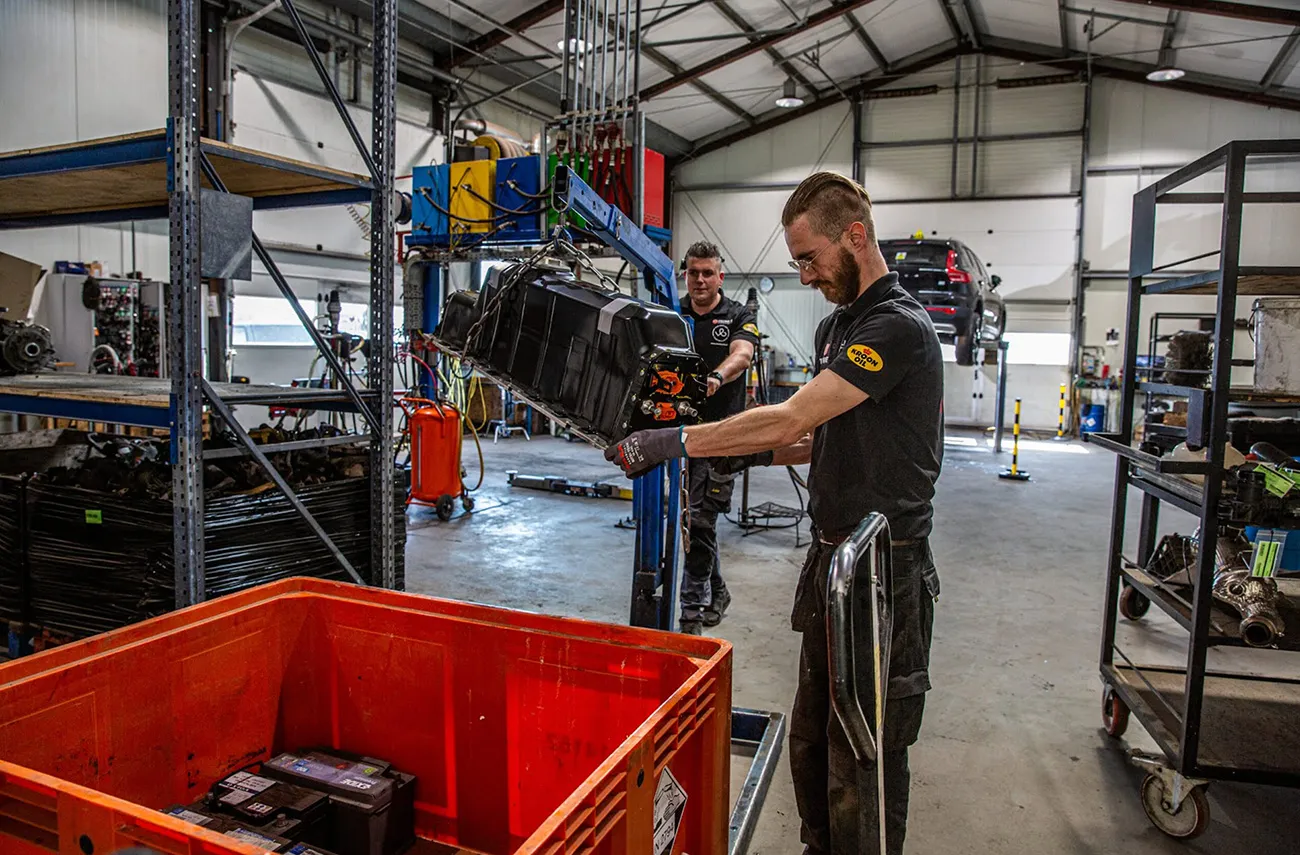
The achieved reuse rate for discarded drive batteries from electric cars is 83%. In 2020, it was almost 70%. The increase is due to a larger share of batteries qualifying for second use last year. This means the statutory recycling requirement of at least 50% by weight for lithium-ion batteries has been comfortably exceeded, reports Auto Recycling Nederland (ARN).
The share of electric and hybrid cars is growing. Car manufacturers and importers are required to take back drive batteries at the end of their service life. In the Netherlands, a large number of car importers have delegated this responsibility to ARN (Auto Recycling Nederland). ARN reports annually to the government on the number of batteries collected and their recycling performance.
127,537 kilograms
In 2021, 127,537 kilograms of lithium-ion batteries were collected and recycled through ARN (121,020 kg in 2020). Almost half of these (59,465 kilograms) were recycled by battery recycling companies, achieving a recycling rate of 67%. The remaining 68,072 kilograms qualified for second-use applications, such as stationary energy storage. Through this route, 97% of the batteries were reused. Taking the weighted average of the two routes, the achieved reuse rate for discarded drive batteries from electric cars is 83%.
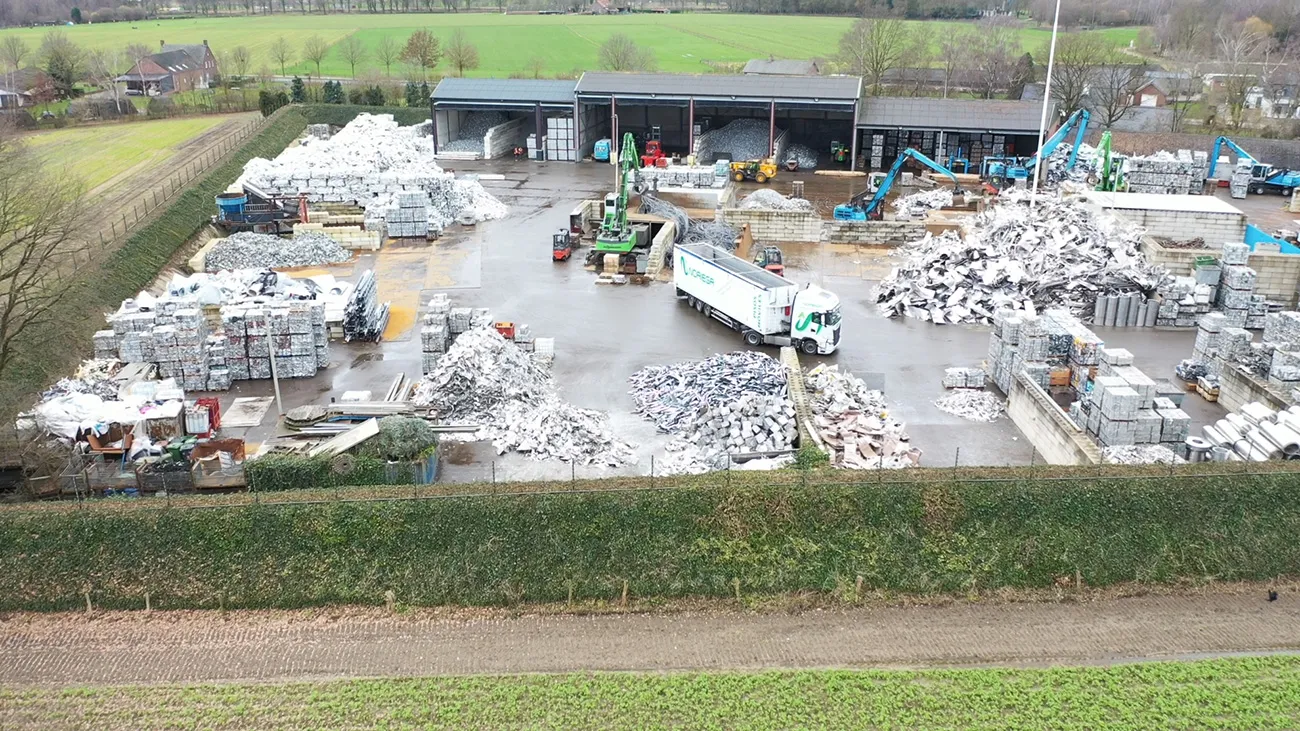
Safe dismantling, storage and transport
The lithium-ion batteries, or the modules they contain, are collected from vehicle dismantlers and dealerships. Safe dismantling, storage and transport play a key role in this process. ARN supports affiliated vehicle dismantlers with training and a tool kit to enable them to dismantle batteries safely. Transport is carried out by a specialist collector, which uses certified packaging to ensure safe transport and storage.
From old to new
Batteries that are still in good enough condition can be given a second life by a specialist company in the Netherlands. Other batteries are sent to a specialist battery recycling company in Europe, which recovers scarce raw materials such as cobalt and nickel. This makes the raw materials from discarded batteries available for use in new batteries.
Question about this story? Ask your question
Keep following this
Get an email when a new story is published. No account needed.
- ThemeCircular processing of electronics and batteries
- SubjectNews







