












Reuse of construction materials on the rise. The growth of circular construction, and therefore demolition too
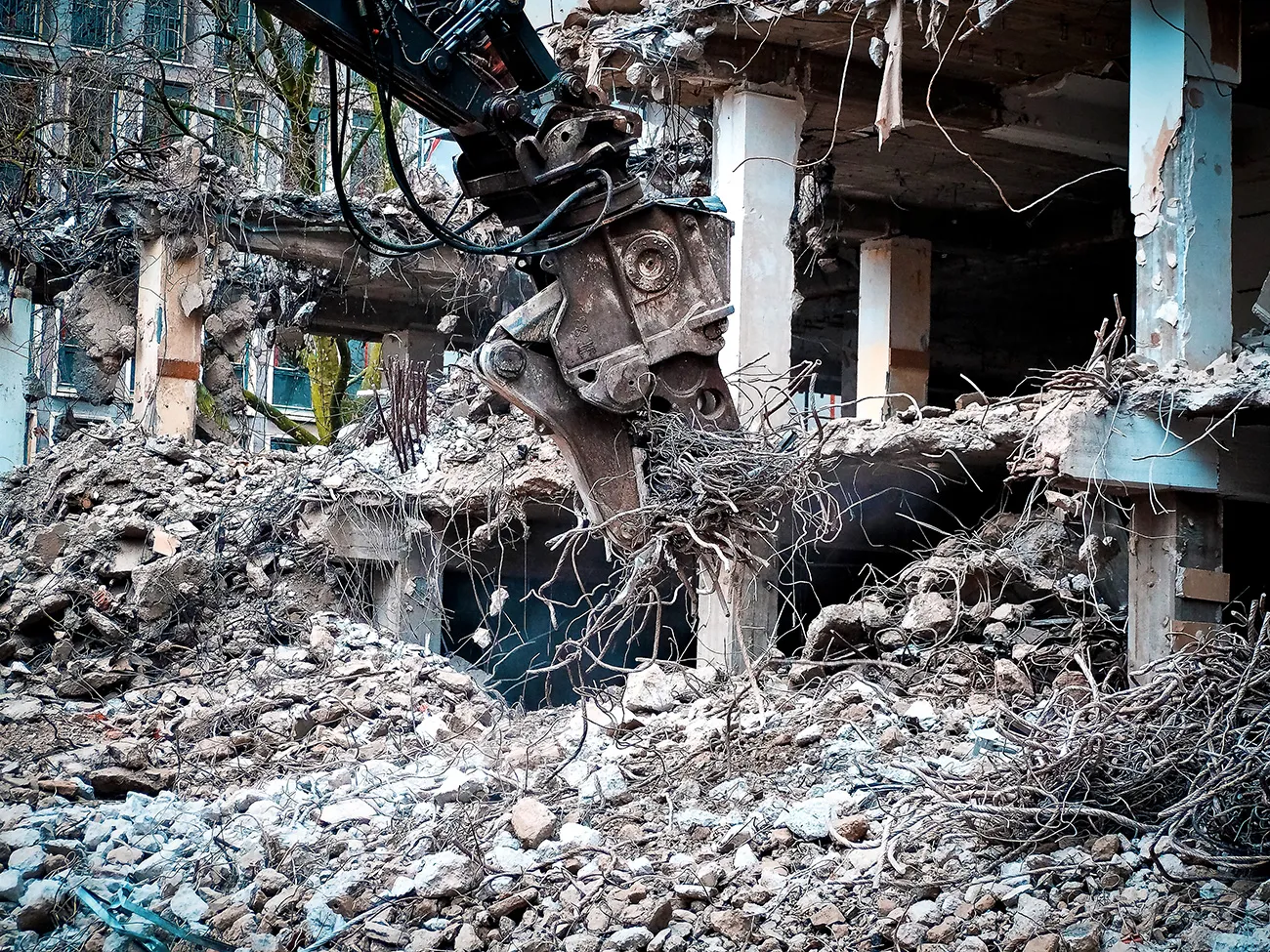
The Dutch economy must be fully circular by 2050, and halfway there by 2030. The demolition and recycling sector is part of this transition. The shift is already well under way, and more and more demolition and recycling companies are aware of the important contribution they can make. Trade association VERAS even describes demolition contractors as “suppliers of raw materials for the construction industry”.

“Circular demolition means demolishing, stripping out, dismantling and reassembling in such a way that the raw materials recovered can be put to high-value use in other projects. Circular demolition is therefore an essential link in the circular economy”, says VERAS on its dedicated website on the subject.
Circular demolition is fundamentally different from traditional demolition. It starts with a thorough analysis of a building to identify the potential for reuse. The building is then dismantled as far as possible, with individual components and materials removed. It is important that the carefully recovered materials and raw materials are actually used in construction projects, thereby preventing the negative impact of linear material use. The online marketplace Insert is increasingly bringing supply and demand for used materials together.
Residual waste
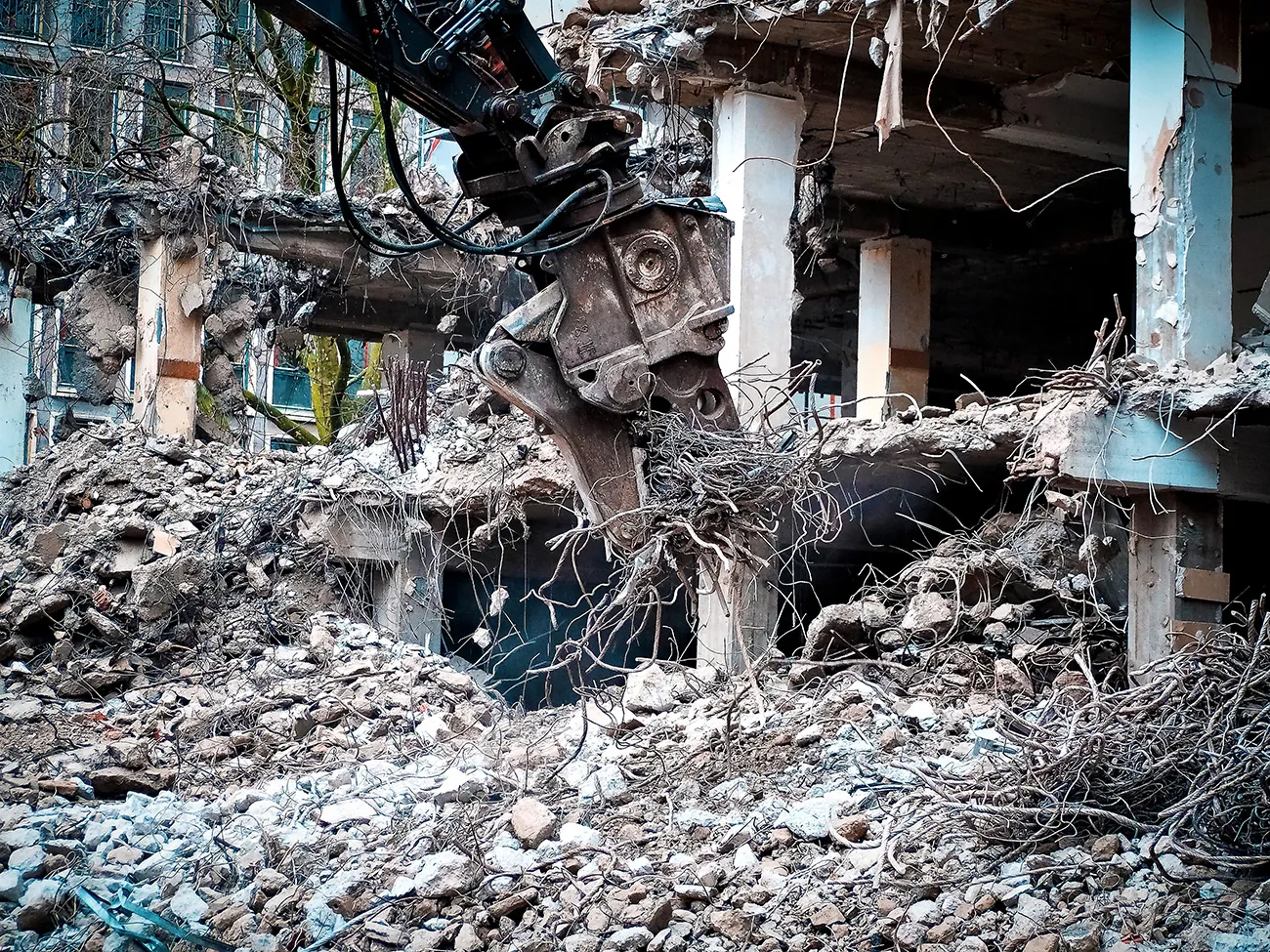
VERAS members and other players in the value chain expect the market for circular demolition to take off in the coming years. This is due to stricter national and European laws and regulations aimed at reducing energy use and harmful emissions (CO2) from the production of new materials, increasing taxes on residual waste and promoting circular construction.
The growing scarcity of primary (new) raw materials and the resulting higher prices also play a role, while large quantities of used (secondary) raw materials from demolition are entering the market. From this perspective, the greatest gains can be made by recycling large streams of secondary raw materials such as concrete, ceramic materials, bitumen and wood. This calls for an entirely different approach to design, production and construction across the sector. It will not be possible without designing for disassembly and modular construction. This entails a far-reaching system change and a different division of roles among the parties involved in the construction process. At a joint meeting of demolition companies and architects last spring, there was widespread agreement that demolition companies should be involved much earlier in the design process. After all, their experience tells them what is easy or difficult to dismantle and transport, and what the residual value of
used construction products is.
Passport
A so-called ‘building or materials passport’ is also essential: a digital database storing all the information and materials used in a building, which remains accessible. The CB’23 platform, set up to establish national, construction-sector-wide agreements on circular construction by 2023, is working hard to develop a standardised passport that the entire value chain can use.
Finally, circular demolition also means working digitally. Without a good BIM model of a building, it is difficult to make a business case stack up. Manufacturers and suppliers of materials will also need to think much more carefully about how their products can remain usable well into the future.
Not yet standard practice
Despite the growth of circular construction and demolition, it is still far from standard practice. Although the government has set ambitious circularity targets, the right incentives have yet to be embedded in policy, consultancy Copper8 concluded. “The current tax system, for example, works against circularity rather than promoting it. Circularity requires additional labour, in the form of repairs, the selective dismantling of products, quality checks and so on. Because labour is relatively expensive and material use and waste production are relatively cheap, the system encourages greater material consumption and hinders circularity.”
What if, instead of imposing high taxes on labour, we taxed the use of raw materials and pollution more heavily? the researchers ask. What other decisions are made during a construction project, and how do they affect its costs?
By levying these ‘green’ taxes and using the revenue to reduce taxes on labour, two incentives for circular construction and demolition would theoretically be created at the same time. This would make it more attractive to reuse raw materials, while ensuring that polluters pay.
Question about this story? Ask your question
Keep following this
Get an email when a new story is published. No account needed.
- ThemeCircular construction and demolition
- SubjectNews







