












‘Regulatory burden is holding back high-quality metal recycling’
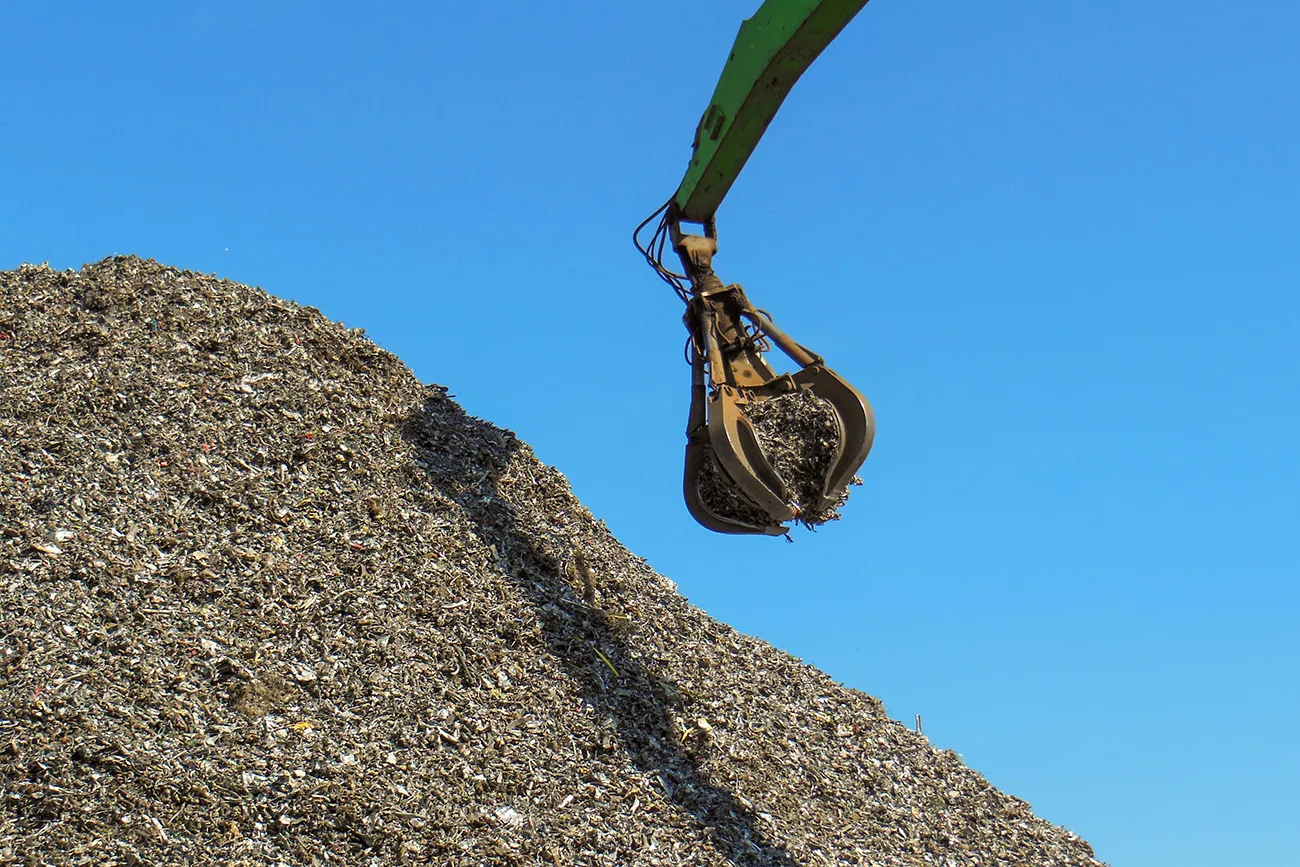
The (metal) recycling sector is under severe pressure. The challenges facing the industry are only growing. Instead of encouraging recycling, governments are imposing ever more regulatory burdens. Yet high-quality recycling is part of the solution, not the problem. That is the view of Hans Koning, director of Metaal Recycling Federatie (MRF), the trade association for metal recycling companies in the Netherlands. He discusses a number of ‘concerns’ with us.
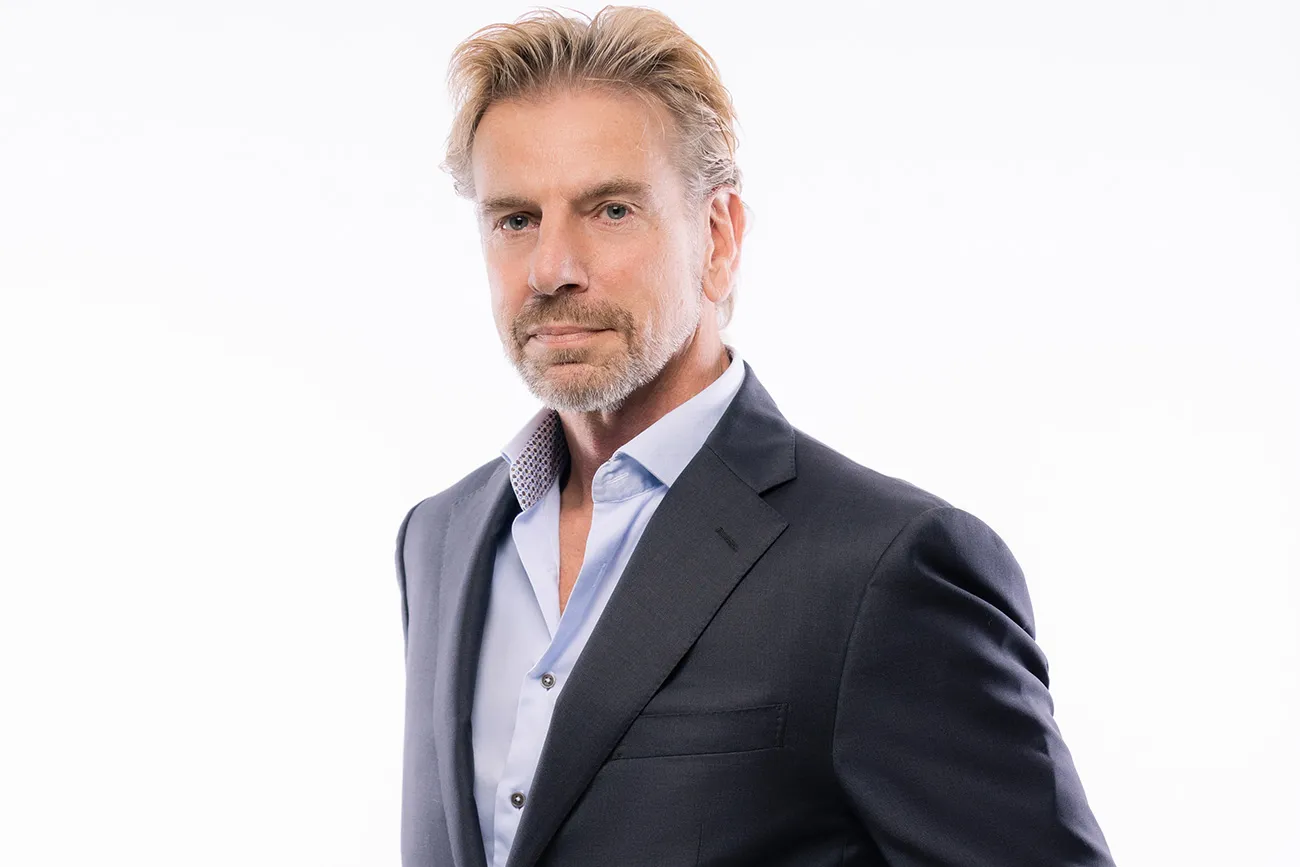
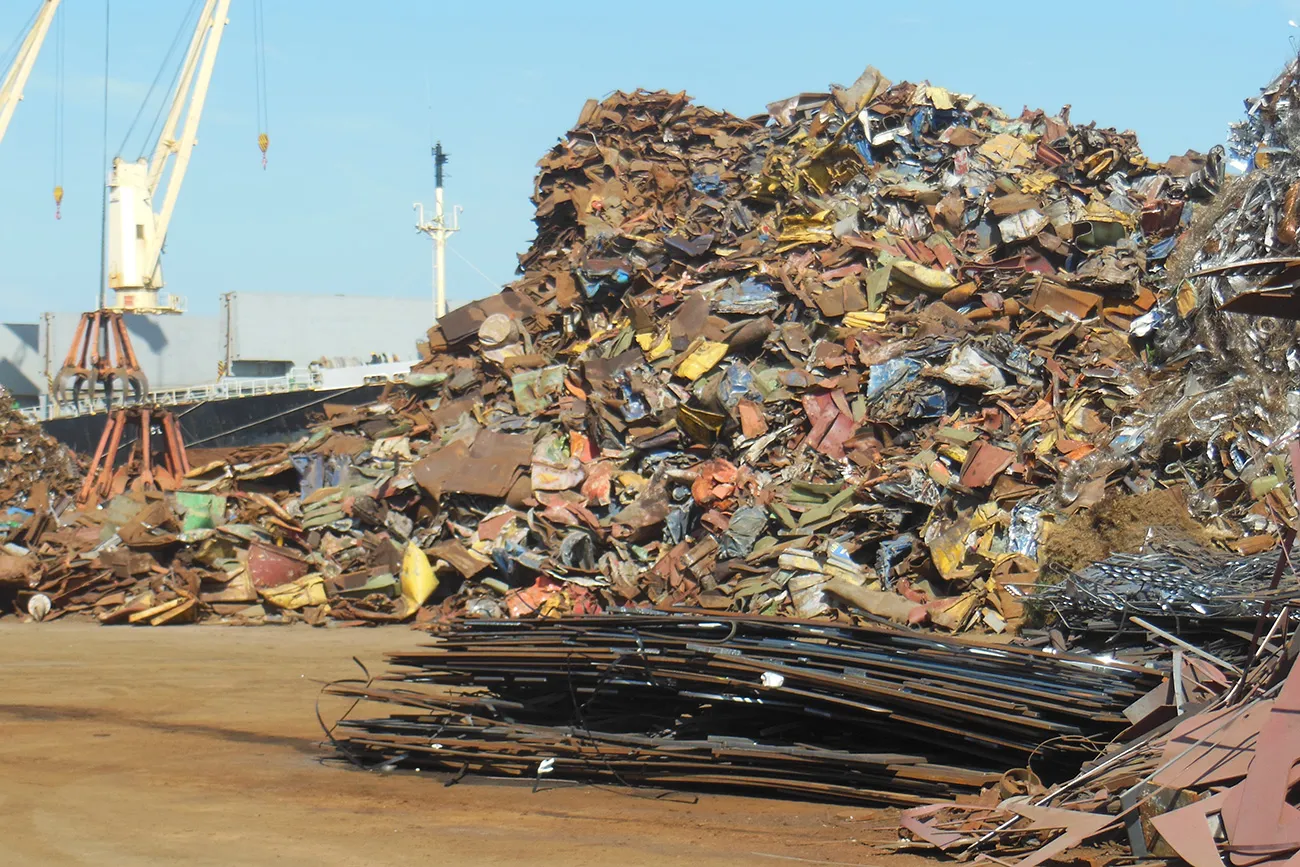
Metaal Recycling Federatie (MRF) is the trade association for metal recycling companies in the Netherlands. It has around 120 member companies, which together collect almost 3.5 million tonnes of ferrous and non-ferrous metals. They then process, sort, purify and sell them to smelters and foundries in the Netherlands and abroad. “Of those 3.5 million tonnes, 1 million tonnes are used again in the Netherlands by smelters, and the rest is exported abroad. Both within and outside the European Union,” says Koning. “Across Europe, 20 million tonnes more scrap is collected on our continent than we can process. So it is extremely important that international trade in metals continues. Unfortunately, that is where things are getting stuck.”
Waste Shipment Regulation
The European Waste Shipment Regulation (EWSR) is being revised. “In practice, this means it will become much harder for companies to export scrap outside the European Union,” Koning explains. “Scrap may only be exported to smelters outside the EU that are certified to ‘European standards’, with compliance assessed by an internationally recognised certification body. This will once again create a huge amount of paperwork and costs. The EU is not known for acting particularly quickly or efficiently when it comes to making changes and keeping lists up to date. As a trade association, we are therefore very concerned. All the more so because 20 million tonnes more scrap is collected than we can process and reuse as a raw material in Europe. That is a major concern.”
A healthy balance
Of course, we too want as much recycling as possible to take place in the EU, Koning assures us. “The European Commission has said it wants the EU to become self-sufficient, but that requires action upstream. For example, producers should be required to put materials and products on the market that are both readily recyclable and contain a substantial proportion of recycled content. That is the only way to create a healthy balance between what we collect and what is actually recycled to a high standard. It is currently being encouraged, but it is not yet mandatory. Such requirements already apply to plastic packaging, but not to other products. What now threatens to happen is that Europe’s borders are closed to high-quality recycling streams without first requiring European producers to use recycled material. It is simply, I have no other word for it, stupid policy.”
Circular policy
Koning believes that achieving a circular economy requires circular policy focused on the entire value chain. “The focus is currently on the end of the chain, even though it is widely known that more than 80% of a product’s environmental impact is determined by its design. And there is no regulation on that. It is high time for a circular shift in policy. The government will have to make a major change of direction, otherwise we will never achieve a circular economy. And all you do is make life harder for the recycling sector and drive up costs compared with primary raw materials. It is high time secondary raw materials such as scrap and waste paper were recognised, and that the costs and administrative burden of recycling were reduced. To quote our chair, Willeke Ketting: ‘It is incomprehensible that copper ore, which contains more than 95% impurities, is considered and treated as a raw material, while copper scrap, which contains less than 5% impurities, is considered waste.’ In short, that is one of the challenges we are fighting to address.”
Substances of Very High Concern
There is also growing attention to Substances of Very High Concern, a related issue. “And rightly so,” says Koning. “But here too, policy focuses mainly on the end of the chain, only once material is offered for recycling. The solution should be upstream. This concerns, for example, metals with a layer of paint, steel from infrastructure projects treated with paints and coatings containing a certain percentage of Chromium VI, and so on. The Netherlands is the only European country to classify these coated metals as hazardous, even though the levels of Chromium VI in the coating are minimal. These products can only cross the Dutch border under a so-called notification procedure. However, there is no smelter in Europe willing or permitted to accept this material/scrap under such a procedure. Once again, these are lengthy procedures that cost a great deal of time and money. As a result, the scrap is now in ‘quarantine’ in the Netherlands. Everyone is at a loss, because once again there is no workable solution.”
MRF-Keurmerk
The metal recycling sector is showing resilience, Koning believes. “Innovation and investment are taking place across the industry to make the sector increasingly sustainable and organise the recycling process as efficiently as possible. MRF is keeping pace too. We have had our own certification scheme, the MRF-Keurmerk, for more than fifteen years. Our members are audited annually by an independent certification body to check that they comply with the standards, ensuring that quality, occupational health and safety, and environmental care are embedded in their operations. The standards are reviewed periodically to reflect environmental and social developments. This builds trust in the industry and demonstrates its professionalism. More and more clients therefore work exclusively with metal recyclers that display the MRF-Keurmerk. The certification mark is also included as a requirement in tenders. Even banks require it to open a new account. We are pleased that our industry and certification scheme are recognised from that quarter too.”
Question about this story? Ask your question
Keep following this
Get an email when a new story is published. No account needed.
- ThemeRecovering metals and creating value
- SubjectNews







