












Recycling tar-containing asphalt
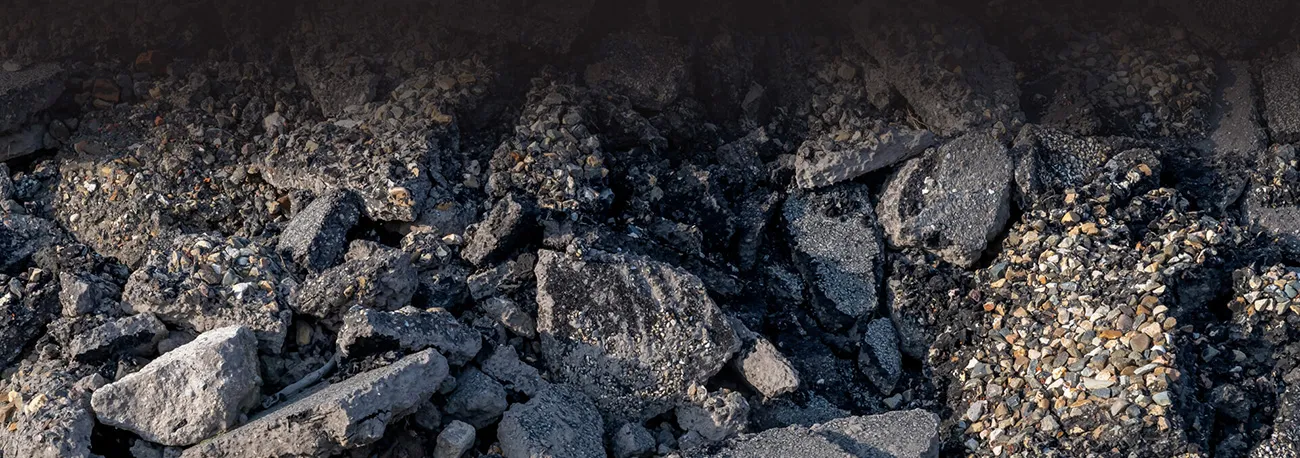
Not every material stream can be readily valorised to a high standard. In the Netherlands, legislation proved to be the decisive impetus for tar-containing asphalt. The ban on using tar-containing asphalt prompted Reko to develop a unique, sustainable thermal cleaning process that turns this mineral waste back into construction materials for new applications. It has been doing so since 2006. An interview with deputy director Jan Hoeflaken.
Tar, or a combination of tar and bitumen, was once an important binder in asphalt production. Tar contains polycyclic aromatic hydrocarbons (PAHs), however, which are carcinogenic. The Netherlands therefore banned the reuse of tar-containing asphalt as early as 2001. It could no longer be used in new asphalt or as a sub-base. Nor could the material be sent to landfill. This is a trend that is now taking hold in an increasing number of European countries. “Reko has long operated a large crushing plant for recycled aggregates at its site in the Port of Rotterdam. When it became clear that tar-containing asphalt could no longer be used, the focus shifted to finding a new technology for sustainably cleaning it.” And with success.
Thermal cleaning process
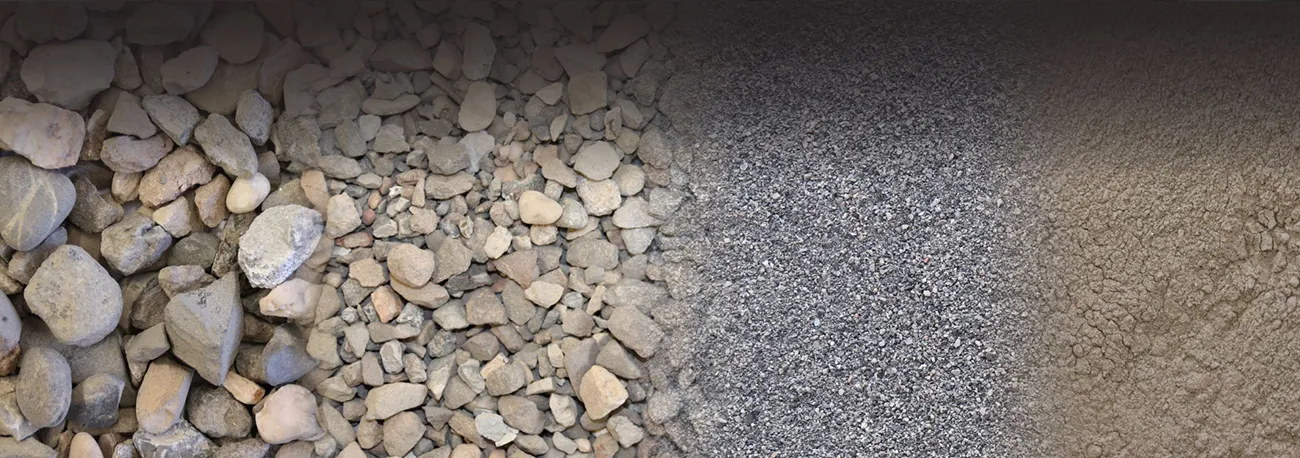
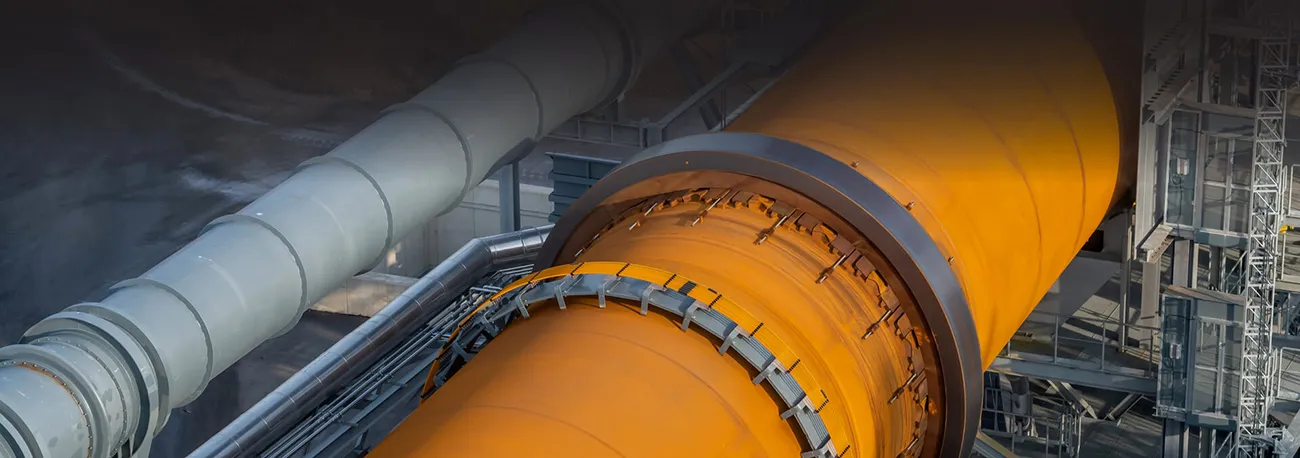
This led to the development of the Reko 1 plant in 2006. Tar-containing asphalt undergoes a thermal cleaning process there. “The first step is to crush the tar-containing asphalt into tar-containing asphalt granulate (TAG). This is then fed into rotary combustion drums, which heat the material to 850 to 950 °C. All the tar, including the PAHs, is destroyed in this way.” What remains are the other materials, such as sand, crushed stone and filler, which were previously used to make the asphalt. These are sold again as secondary raw materials. Gypsum produced during flue gas cleaning is also sold as a construction material. “Our process produces no residual streams without a high-value end use,” Hoeflaken says proudly. “We also recover the energy used in the process and convert it into electricity. We are currently working on developing a heat network too.”
Copy-and-paste plant
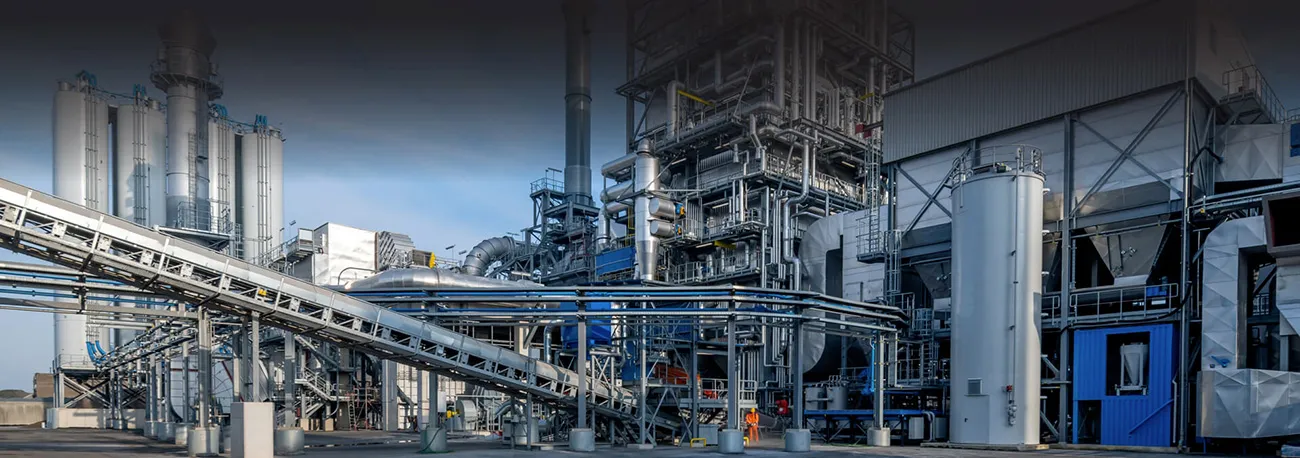
Material now reaches Rotterdam from across the Netherlands, Flanders, Germany, Switzerland, northern France and England. Last year, Reko invested in a second plant, significantly increasing its total processing capacity. “Let’s take a processing capacity of 1.7 million tonnes a year. It was a substantial investment of around 125 million euros in a difficult economic climate, but one that was necessary to handle the volumes in the market in the coming years.” Much of this growth will also come from abroad, because Reko’s process is unique. Hoeflaken explains: “A plant like this cannot simply be built. Alongside the investment, the know-how required to operate it plays a major role. Our operators have now mastered it. The second plant is comparable in terms of its basic principle, but its technical design, and therefore its operation, is very different.”
Strict quality control for 100% circularity
Success comes down to Reko’s eagle-eyed checks on everything entering its plants. “Our approach is based on valorising the products we make through our process to the highest possible standard. Quality is everything, which calls for strict controls on both incoming and outgoing materials. For example, we process no other streams than asphalt and a limited proportion of roofing material, enabling us to deliver a consistent quality of end product.” There is plenty of work ahead in Rotterdam in the coming years. But what if tar-containing asphalt disappears from the supply chain altogether? Hoeflaken says: “Calculations in Germany and the Netherlands show that the tar issue will remain significant for decades to come. Our process means these materials do not have to take up valuable landfill capacity, and allows us to make a substantial contribution to greater circularity. After all, we are talking about very large volumes. Calculations by the German Fraunhofer Institute also show that thermal cleaning is a sustainable solution. Thermally cleaning tar-containing asphalt while recovering energy and raw materials delivers a substantial reduction in CO2 emissions. This makes a major contribution to circular economy ambitions, while benefiting both the climate and society.”
Question about this story? Ask your question
Keep following this
Get an email when a new story is published. No account needed.
- SubjectNews







