












Recycled sand-lime aggregate officially recognised as a raw material
Erik Boschman Fotografie en Calduran
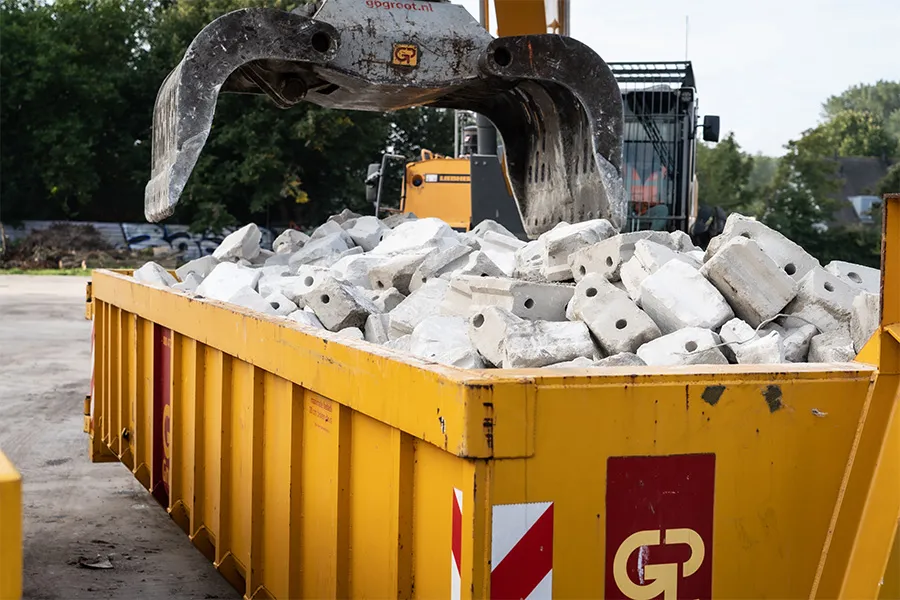
Recycled sand-lime aggregate has been officially recognised as a raw material by FUMO, the environmental agency for Friesland. Previously, the aggregate, made from sand-lime brick rubble, was still considered waste. This restricted its transport and processing, as well as the production of circular sand-lime elements. Now that the aggregate has end-of-waste status, production and use of circular sand-lime products can increase on a large scale. This will prevent the use of primary raw materials, a necessary step towards a circular economy, including in construction.
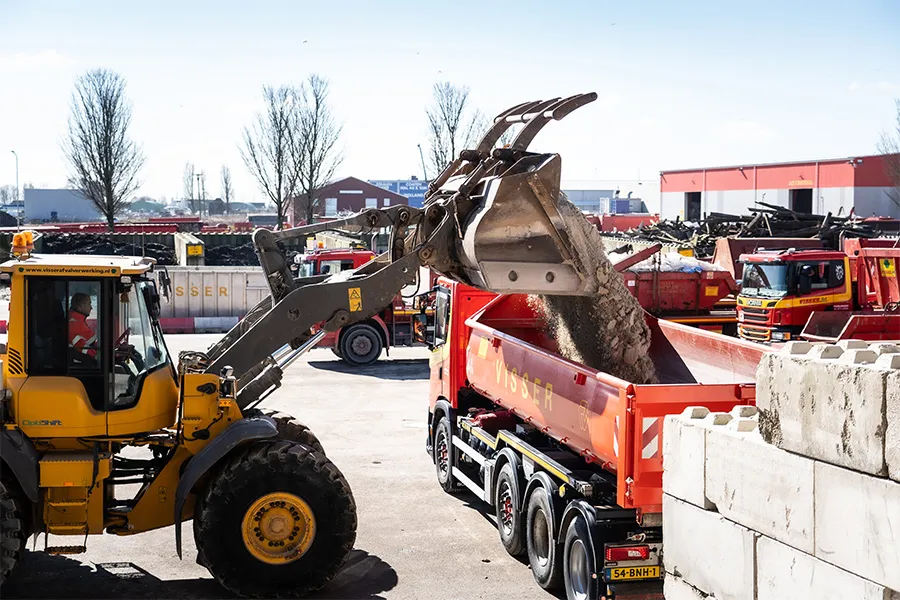
High-quality recycling: from product to product
The applicants were trade associations VNK and BRBS Recycling, Calduran, Visser ATR and GP Groot. They recognised that sand-lime brick rubble is highly suitable for high-quality recycling. “Together with Calduran, we saw the potential for recycling sand-lime brick rubble into circular sand-lime elements. Their technical properties and environmental characteristics are the same as those of original sand-lime elements. That is why we were the first in the Netherlands to start production. However, when processing circular sand-lime aggregate, we soon came up against regulations. Various authorities still considered the recycled raw material to be waste, which meant we were restricted in how much we could transport and supply,” says Jaap Jilderts, project manager at Visser ATR. “This slowed the production of circular sand-lime elements,” adds Hans Verkleij, product manager at Calduran. “That is why this end-of-waste status is so important. We can now produce unlimited quantities of circular sand-lime elements such as Caldubo, and genuinely meet the construction sector’s growing demand. Together, we are closing the loop and ensuring that sand-lime brick rubble is used again. In doing so, we are literally building a circular future.”
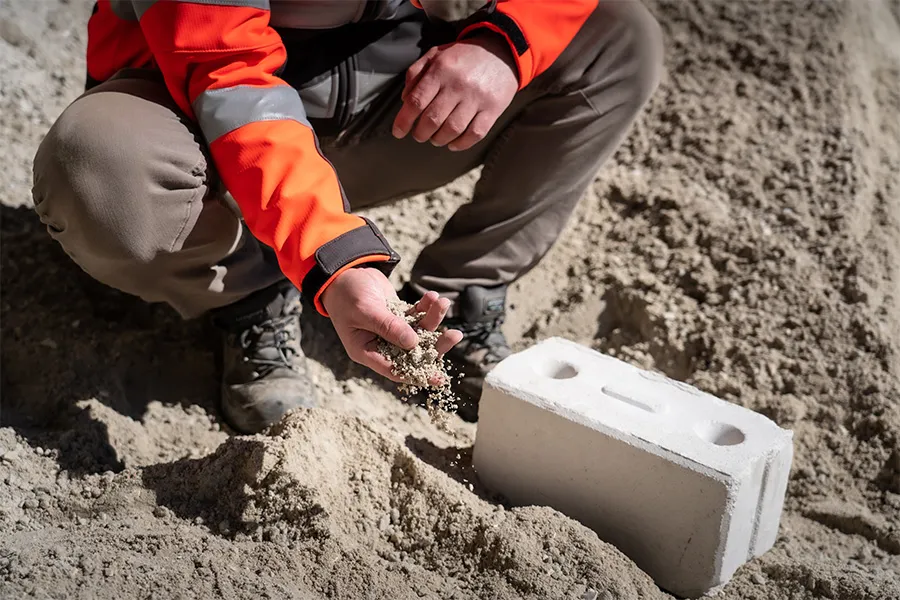
Reducing waste in the construction sector
The recycling sector has also welcomed the end-of-waste status: “This decision will give the use of secondary raw materials in the sand-lime industry a major boost. It opens the way for every producer to use circular sand-lime aggregate. The assessment also confirms the Recycling Granulates End-of-Waste Scheme, which has been in place since 2015. This will reduce the use of primary raw materials and CO2 emissions. It will also encourage reuse and recycling in both the construction sector and the sand-lime industry. This is a very positive development on the road to a circular economy,” says Peter Broere of BRBS Recycling.
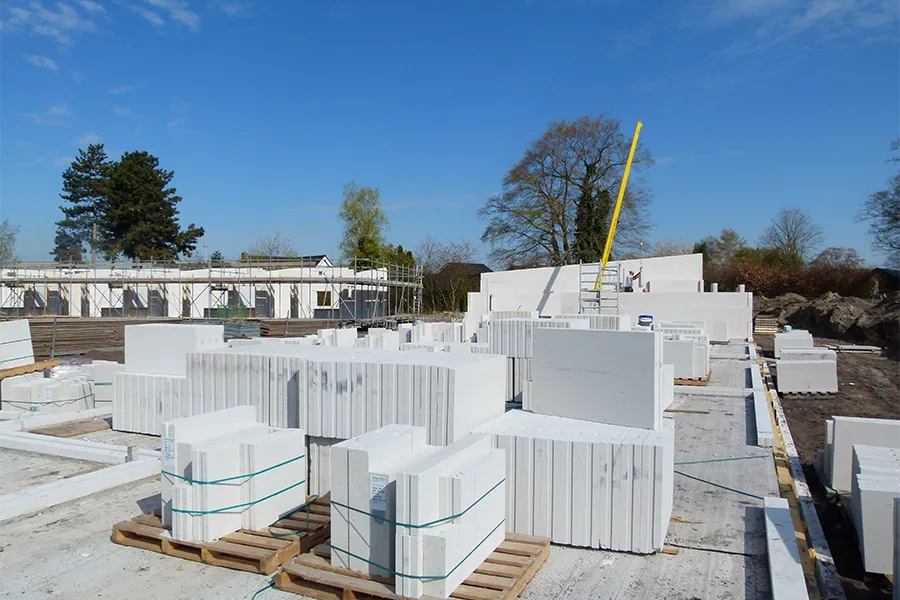
Circular construction economy
To recycle sand-lime brick rubble to a high standard, construction and demolition companies must separate the rubble on site. “There must be no contaminants, such as insulation material, mixed in with the rubble. We understand that this calls for a different approach to waste collection. Fortunately, we are seeing more and more companies get involved. We need each other: without separately collected sand-lime brick rubble, we cannot recycle it into new raw materials and products. Only by working together can we achieve a circular construction economy,” concludes Kees Maurice, raw materials account manager at GP Groot.
Question about this story? Ask your question
Keep following this
Get an email when a new story is published. No account needed.
- SubjectNews







