












Recovering critical raw materials from LFP batteries
Text and images TNO
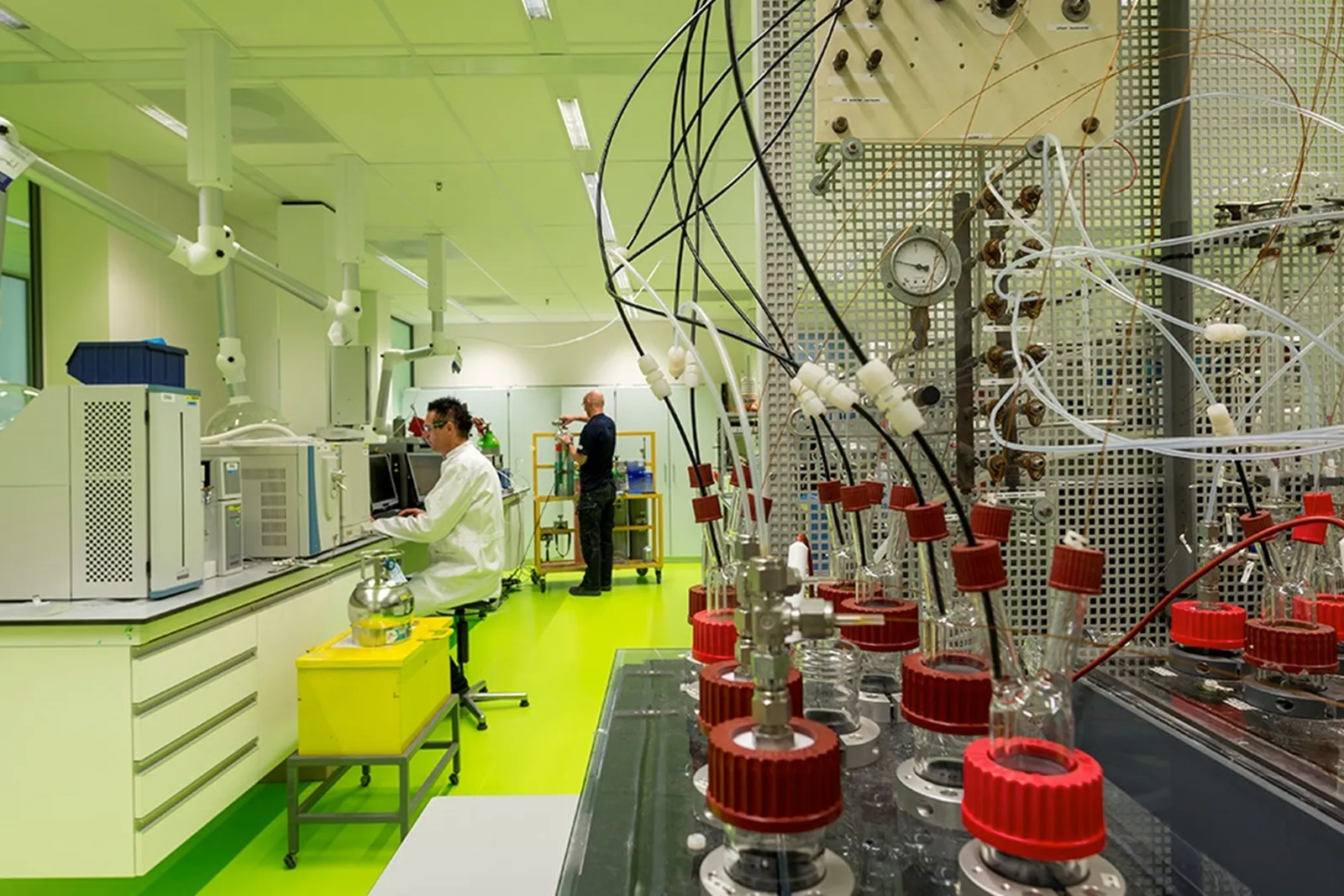
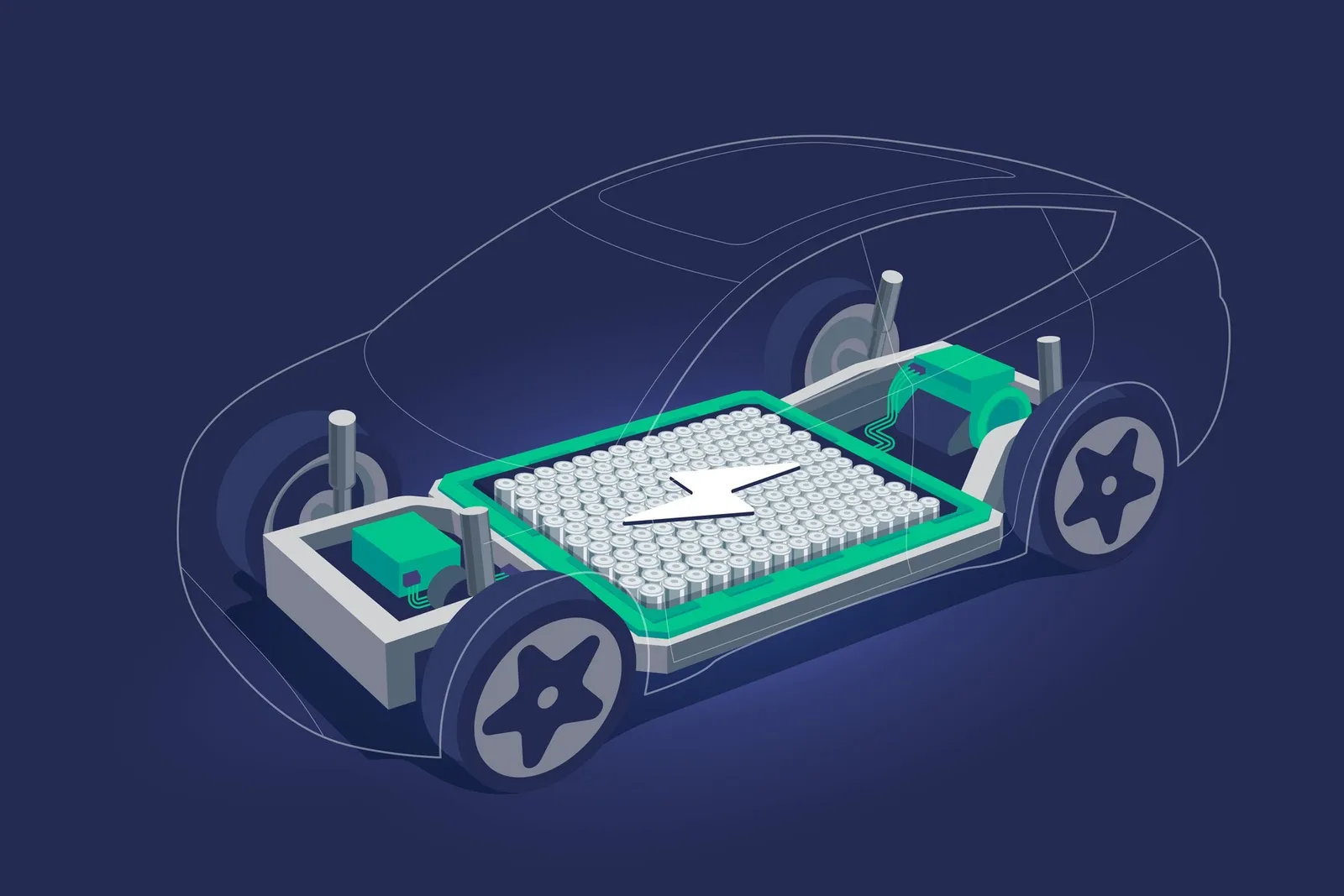
Lithium iron phosphate (LFP) batteries are increasingly used in electric cars because they are safe, have a longer service life and cost less. However, recycling these batteries is challenging because their raw materials are relatively inexpensive. SusPhos and TNO are joining forces to develop a sustainable, economically viable recycling process to recover critical materials such as lithium and phosphate from these batteries.
The market share of batteries in electric vehicles has doubled over the past five years to more than 40%, driven by a sharp rise in electric vehicle sales, particularly in the United States and Europe. The number of electric cars is expected to increase to more than four times its current level by 2030, further boosting demand for batteries.
Strategic materials
This is expected to generate a huge waste stream, making it crucial to recycle the critical materials in LFP batteries. The widely used LFP batteries in electric cars contain critical and strategic materials: lithium, phosphorus, aluminium and copper. These materials are of strategic importance to the Netherlands and Europe because of raw material shortages. LFP batteries have recently even become part of the trade war between the US and China, further underlining their strategic value.
Circular process
TNO and SusPhos have joined forces under the Top Consortium for Knowledge and Innovation programme (TKI) ‘Green Chemistry and Circularity’ to develop an economically viable recycling process. This is necessary because the raw materials in such a battery are relatively inexpensive. To address this, SusPhos and TNO are combining their expertise: SusPhos’s technology for recovering and valorising phosphates from wastewater streams is being combined with TNO’s sustainable technology for recovering metals from (electronic) waste streams. According to both parties, this will result in a more circular process, generating less waste and significantly improving economic viability. By sustainably recycling critical materials, this project contributes to the European CRM Act, the Batteries Regulation (70% Li recycling by 2030) and the 2050 circular economy targets.
Question about this story? Ask your question
Keep following this
Get an email when a new story is published. No account needed.
- ThemeCircular processing of electronics and batteries
- SubjectNews







