












Rechargeable lithium-ion batteries: incendiary devices in our waste?
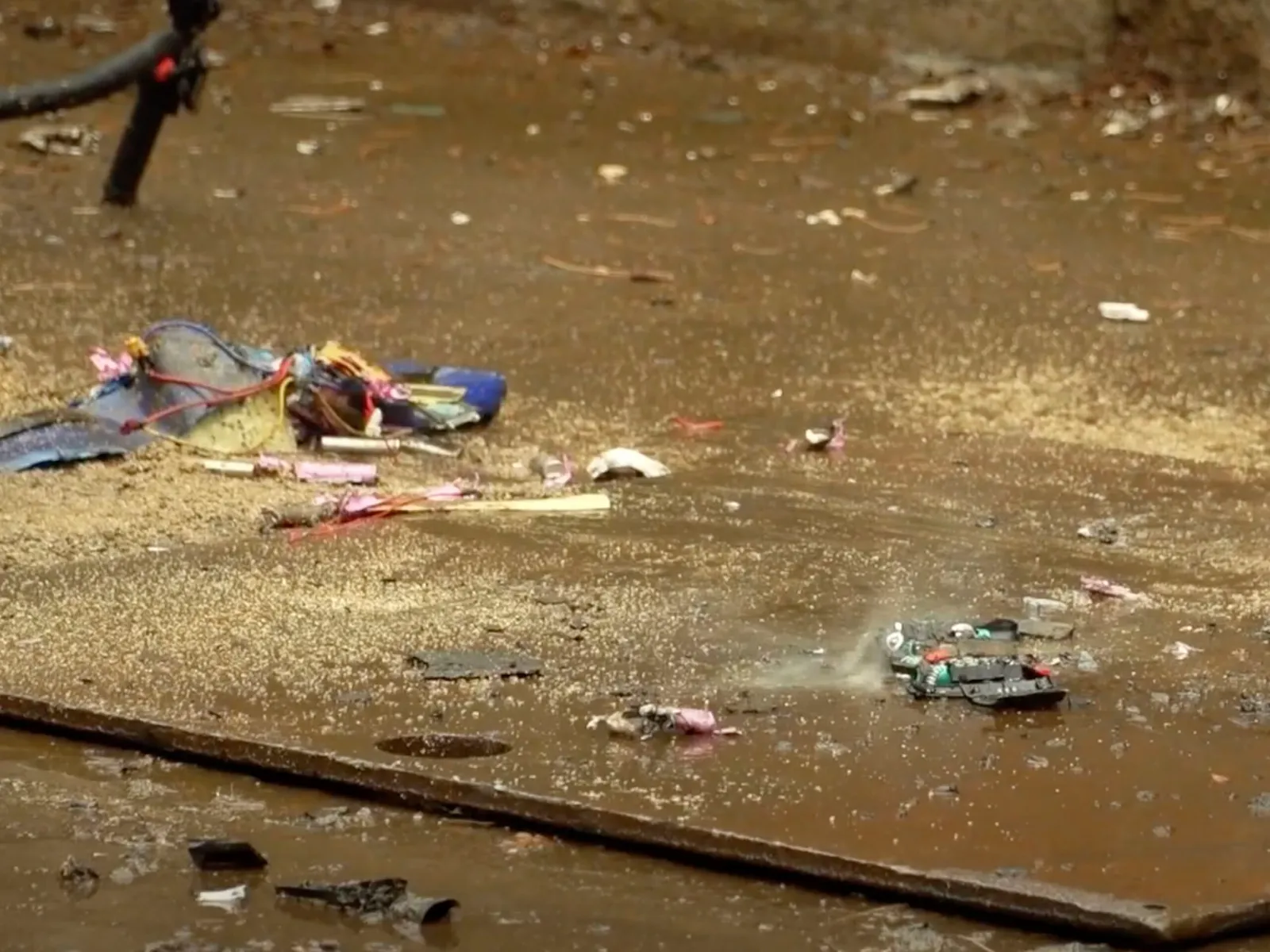
More and more products contain a rechargeable battery. As a result, the use of lithium-ion batteries is on the rise, since this type charges faster, lasts longer and stores more energy than conventional batteries. But there is another side to the story. These batteries are increasingly ending up in scrap metal and even waste paper, setting it all ablaze.
The rise of electric cars and bikes, along with the ever-increasing digitalisation of our society, is driving battery use to unprecedented levels. In particular, the use of lithium-ion batteries, rechargeable batteries found in a wide range of applications, including smartphones, laptops, vacuum cleaners, power drills, electric scooters and bikes.
When these products reach the end of their life, they are discarded along with their batteries, and that is not without danger. Quite the opposite. “These types of batteries are highly sensitive. If they are punctured, crushed or damaged, they start smouldering and catch fire,” says Stany Vaes, Managing Director of Denuo, the federation of Belgian waste and recycling companies.
Three times as many waste fires
The result? According to a 2018 European study, the number of fires in the recycling sector caused by lithium-ion batteries has tripled in the space of ten years. The significant consequences are borne by the facilities themselves: risks to staff, sorting lines being shut down and damaged materials being lost, insurers no longer willing to insure recycling companies, and so on. Repairing damaged machinery or buildings can cost millions of euros.
Loss of recyclable materials
These fires also destroy a great deal of recyclable material. “First and foremost, the materials in the batteries themselves. As demand for batteries increases, it is important to recover their components as far as possible and reuse them in the production of new batteries,” says Vaes.
In this context, the European Commission has decided that, from 1 January 2030, producers of industrial batteries and batteries for electric vehicles will have to use recycled materials such as lithium in the production of new batteries. Specifically, the minimum amounts are 12% cobalt, 85% lead, 4% lithium and 4% nickel. From 1 January 2035, the required recycled content will rise to 20% cobalt, 10% lithium and 12% nickel. The European Commission therefore expects the number of lithium-ion batteries to be recycled to increase by a factor of 700 between 2020 and 2040.
Better sorting at source
Aside from the materials in the batteries themselves, these fires also destroy a great deal of other valuable material, such as paper and metal. The main cause? Batteries are not being sorted properly at source. “Consumers are unaware of the danger these batteries pose and sometimes carelessly put them in the wrong container. As a result, many electric bikes and scooters end up in the scrap metal container at recycling centres. That is not where they belong. Because they contain a battery, they should go in the Recupel containers,” Vaes explains.
There is currently no technology that can detect these batteries, allowing recycling companies to remove them in time before they cause problems. It is therefore primarily up to consumers to sort their electrical appliances correctly.
Producers: make batteries removable
Ecodesign can also help. “In many cases, it is currently impossible to remove the battery itself, as with smartphones. If producers change this, consumers will be able to remove the battery before disposing of the device,” Vaes explains.
The lithium-ion battery can then be sorted via Bebat’s collection points. Like other types of batteries, such as lead-acid or alkaline batteries, this producer responsibility organisation could then be given specific collection and recycling targets, enabling it to take active steps to ensure these lithium-ion batteries are sorted correctly.
A deposit scheme for batteries
“Another option is to introduce a deposit scheme specifically for lithium-ion batteries. This could greatly improve sorting at source and prevent incidents further along the recycling chain,” says Vaes. “Something has to be done. And with demand for batteries expected to increase by more than 20% by 2030, now is the time to develop a sustainable, circular approach to lithium-ion batteries.”
Question about this story? Ask your question
Companies in this story

Keep following this
Get an email when a new story is published. No account needed.
- ThemeRecovering metals and creating value
- SubjectNews
- CompanyRecupel
- CompanyBebat vzw







