












Ready for digital deposit return?
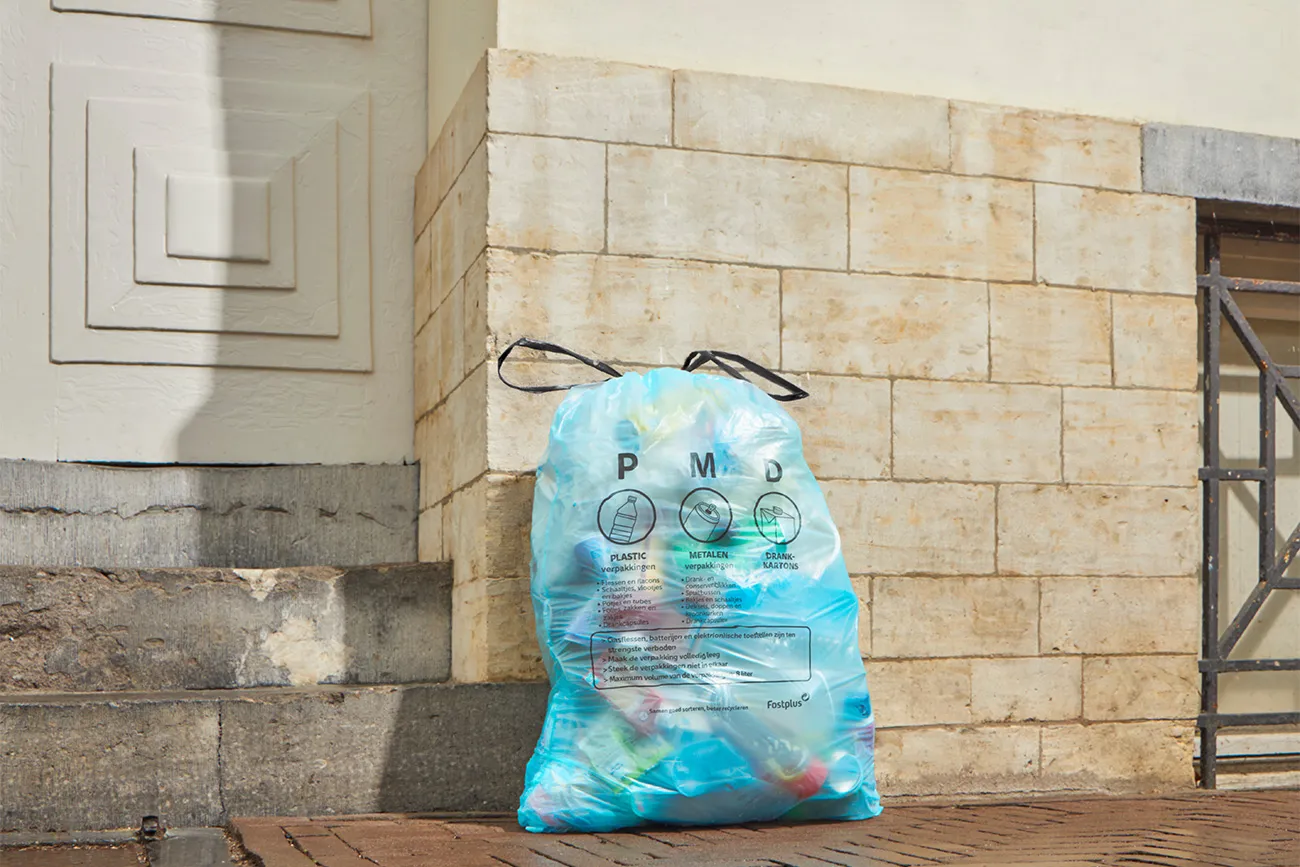
Belgians can be proud of their sorting, and therefore recycling, performance. At home, most packaging waste ends up where it belongs: in the New Blue Bag. But the loop is not yet closed. Some materials are still lost, ending up in residual waste, while packaging materials also turn up as litter. To bring these materials into the circular economy, several major drinks manufacturers and retailers, their respective trade federations Fevia and Comeos, and Fost Plus are proposing a digital deposit return system. Fost Plus Director of Innovation & Business Development Steven Boussemaere responds to the criticism heard when minister Zuhal Demir announced the plan last December and calls on people to wait for the results of the trials.
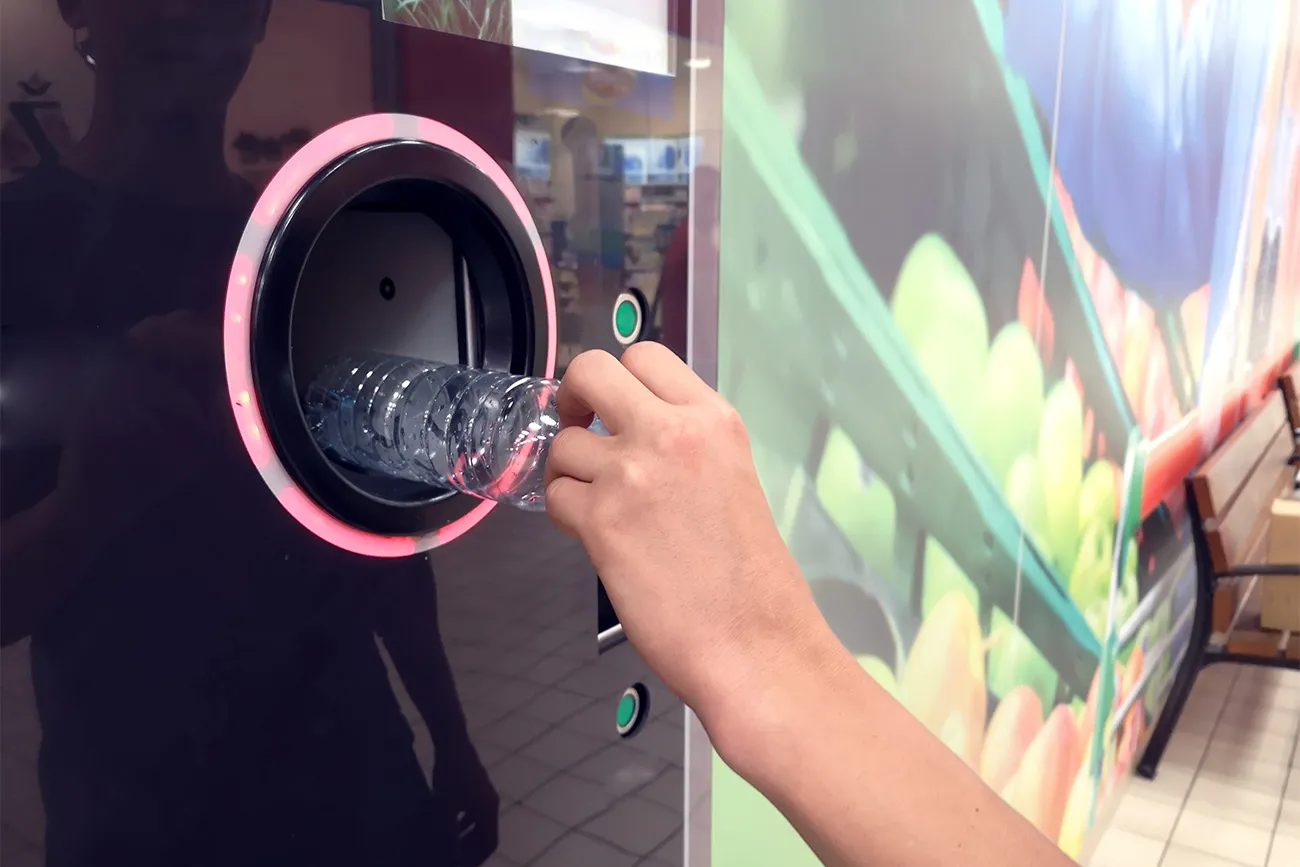
Several European countries already have deposit return systems for cans and plastic bottles. This includes our neighbours to the north, where the system was introduced in stages and deposits have also been charged on cans since 1 April. “We too see this as a good complementary solution for further closing the loop on packaging waste,” Boussemaere begins. “We must not turn a blind eye to leakage streams such as litter. However good the results are today, we want to anticipate what is coming and take another step forward in recycling and circularity.”
A world first in digital deposit return
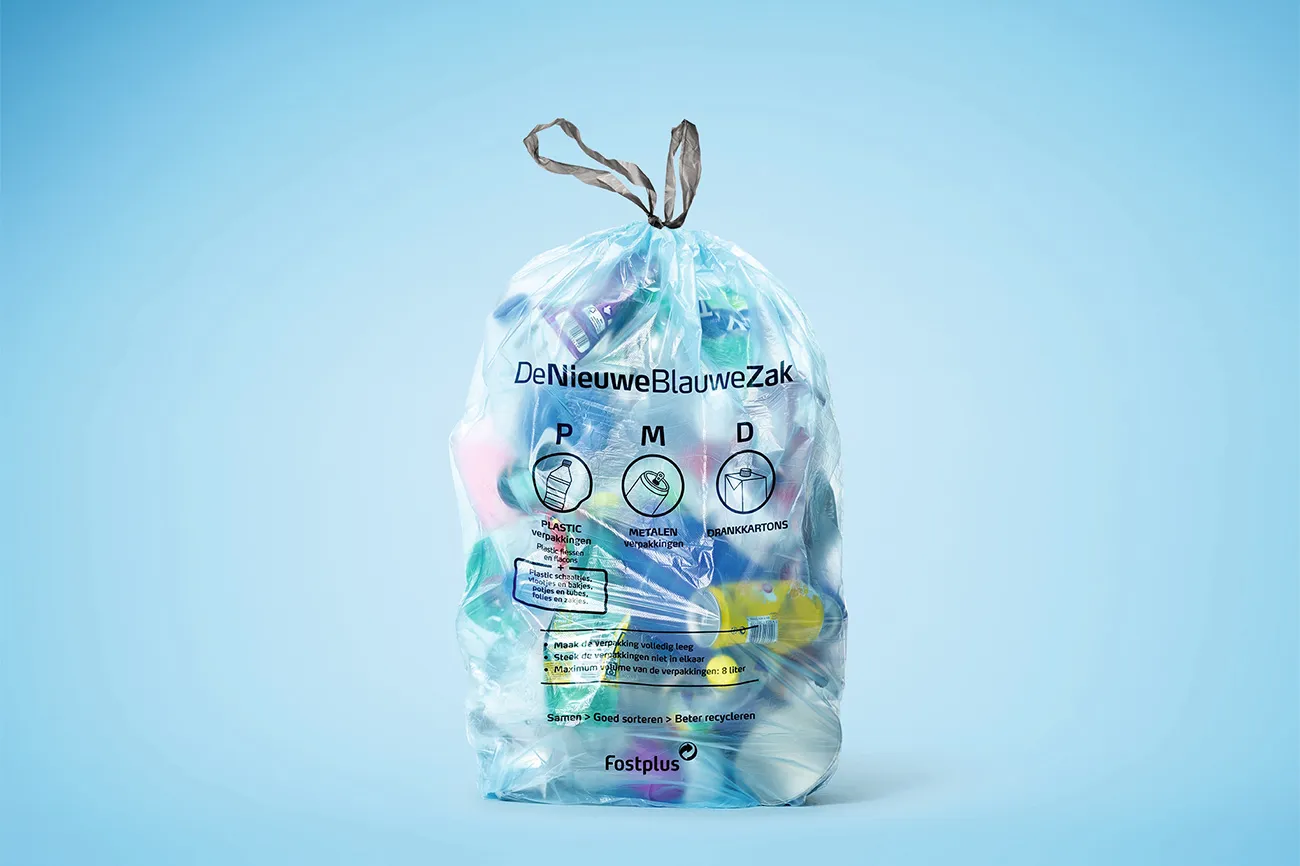
So much for the consensus. Most voices in the public debate support mandatory deposits as an inevitable measure in the fight against litter. The main federations representing the retail sector and food industry, Comeos and Fevia respectively, also see support among their members for helping society become more sustainable. Fost Plus has designed a digital solution together with them, a world first. Anyone wishing to reclaim their deposit will not have to take their packaging to a physical collection point. “This allows us to build on the success of the Blue Bag,” Boussemaere explains. “People can scan the data matrix code on their bottles and cans, and on their Blue Bag, using a smartphone app. This lets us know that the waste has been disposed of correctly and means the deposit can be refunded to them.”

Data matrix codes for 4.3 billion bottles and cans
Every item of packaging will therefore need a unique data carrier. The solution will also be used in public spaces. Boussemaere explains: “The reason is that introducing deposits should encourage better sorting in public spaces and help tackle litter. Around 4.3 billion bottles and cans are placed on the market each year. In recent years, we have seen the on-the-go segment grow enormously. Every public bin will therefore be joined by a blue counterpart, with an equally unique data matrix code. At these 135,000 redemption points, consumers will be able to reclaim the deposit they paid on their packaging.” Who will pay for this? “The packaging companies. Together with their federations, they are committed to recovering and recycling more raw materials.”
Digital readiness
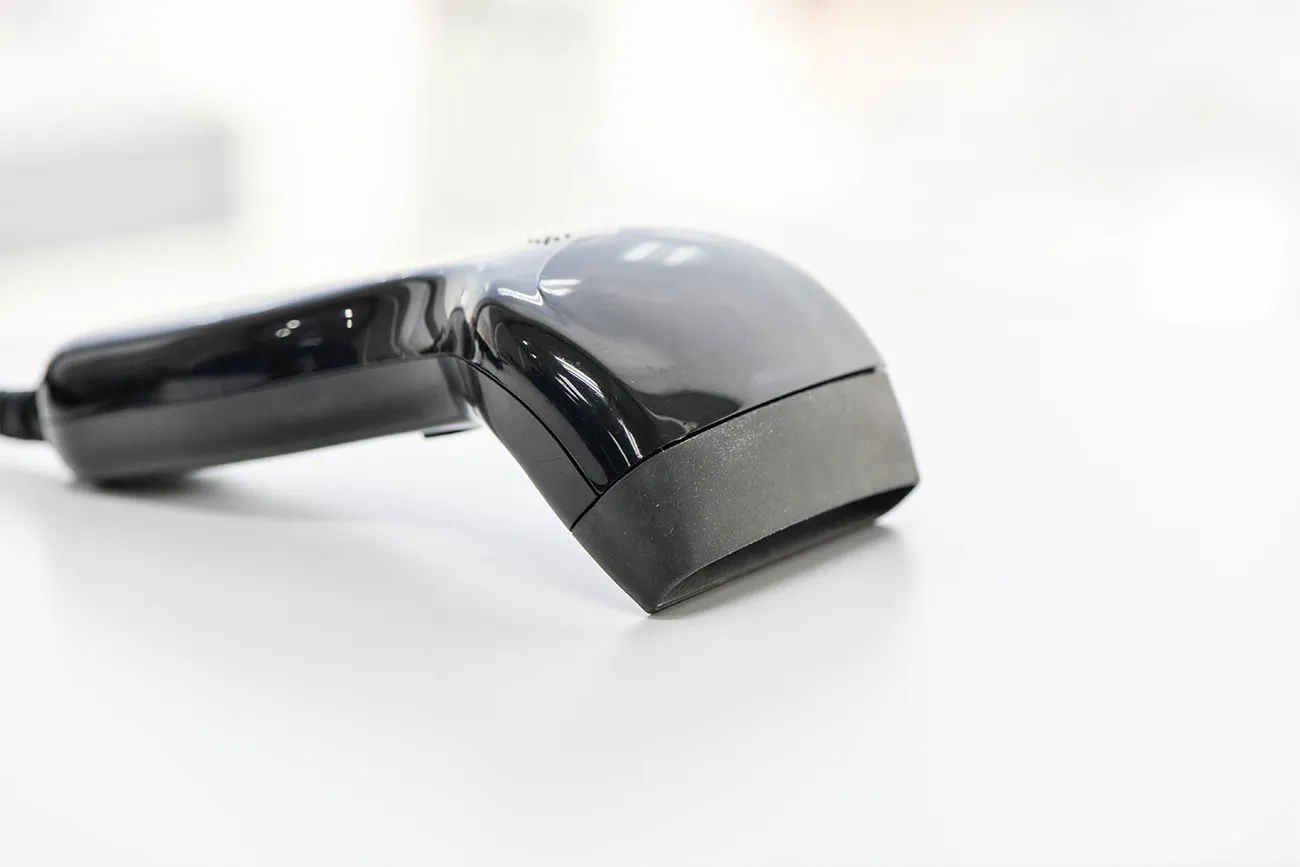
Are there only happy faces, then? Not among organisations such as Test-Aankoop and the Statiegeldalliantie. They stress that the system will not be equally user-friendly for every consumer. They say those who are not digitally connected risk being left behind. “We should put that into perspective. The latest figures show that Belgians are digitally literate. 92% already carry out banking transactions digitally. But, of course, we remain aware that this does not apply to everyone,” says Boussemaere. “For those people, and indeed for anyone who would rather use this method, we will make a home scanner available. We want to keep the barrier as low as possible so that everyone can take part in the deposit return system.”
Pilot projects to address outstanding issues
Fost Plus is putting the plan to the test. A roadmap has been drawn up ahead of the deposit return system going live in 2025, with the organisation working alongside the trade federations to develop the best possible solution. Boussemaere explains: “A lot of groundwork has already been done, including a feasibility study carried out by PwC. As this system does not exist anywhere else in the world, it will be important to test it through pilot projects. We are in discussions with various parties about setting up pilot projects to find answers to the practical concerns still being raised and develop technical solutions. By the end of this year, we want to be ready to press the button. That means having a clear solution on the table, along with a concrete timeline and implementation steps to put it into effect in 2025. Will extra bins be needed, for example? What exactly should the app look like? How will we prevent fraud?”
The Blue Bag remains a cornerstone
Despite the criticism, Fost Plus is determined to be ready to introduce deposits by 2025. “We believe in our plan because it is the most user-friendly solution for the public. Companies want to do their bit to give more waste a second life. In the coming months, we will work hard on practical solutions to convince everyone of this approach. It is important to us that the Blue Bag remains a cornerstone of packaging waste management, because we have been working to improve sorting behaviour among Belgians for 25 years, with excellent results. We do not want to throw that away.” Fost Plus is also reaching out to the other regions. “Minister Tellier, for example, has also commissioned a study into the introduction of deposits. The aim is to arrive at a solution by 2025 that can be introduced across Belgium,” says Boussemaere.
Question about this story? Ask your question
Keep following this
Get an email when a new story is published. No account needed.
- ThemeMaking plastics and packaging circular
- SubjectNews







