












Re-use of construction materials is on the rise. The growth of circular construction, and therefore demolition
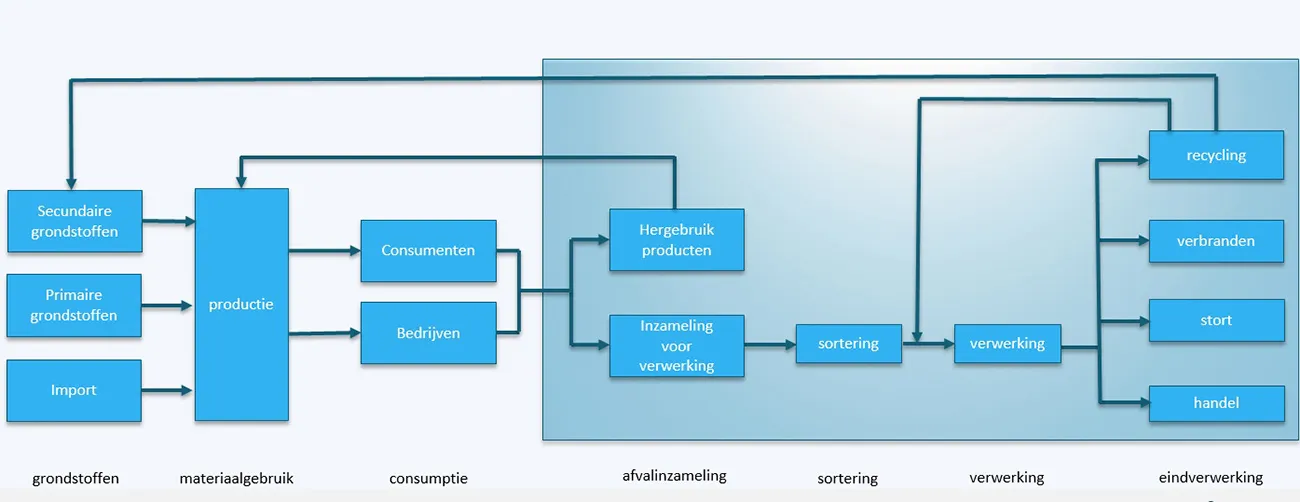
The Dutch economy must be fully circular by 2050, and 50% circular by 2030. The demolition and recycling sector is part of that transition. It is already well under way, and more and more demolition and recycling companies are aware of the important contribution they can make. Trade association VERAS even calls demolition contractors “suppliers of raw materials for the construction industry”.

“Circular demolition means demolishing, dismantling, disassembling and reassembling in such a way that the recovered raw materials can be put to high-value use in other projects. Circular demolition is therefore an essential link in the circular economy,” says VERAS on its dedicated website on the subject.
Circular demolition works fundamentally differently from traditional demolition. It starts with a thorough analysis of a building to identify opportunities for reuse. The building is then dismantled as far as possible, with individual components and materials removed. The key is to ensure that the carefully recovered materials and raw materials are actually used in construction projects, thereby avoiding the negative impact of linear material use. The online marketplace Insert is increasingly bringing supply and demand for used materials together.
Residual waste
Stricter national and European legislation and regulations aimed at reducing energy use and harmful emissions (CO2) from the production of new materials, increasing taxes on residual waste and promoting circular construction are expected to give the market for circular demolition a major boost in the coming years. That is the view not only of VERAS members, but also of other players in the supply chain.
Growing scarcity of primary (new) raw materials, and the resulting higher prices, also play a part, while large volumes of used (secondary) raw materials from demolition are entering the market. From this perspective, the greatest gains can be made by recycling large streams of secondary raw materials such as concrete, ceramic materials, bitumen and wood. This requires the construction sector to adopt a completely different approach to design, production and building. It will not be possible without designing for disassembly and modular construction. This entails far-reaching systemic change and a different division of roles among the parties involved in the construction process. At a joint meeting of demolition companies and architects last spring, there were frequent calls for demolition companies to be involved much earlier in the design process. After all, their experience tells them what can and cannot be easily dismantled and transported, and what the residual value of
used construction products is.
Passport
A so-called ‘building or materials passport’ is also essential: a digital database storing all the information and materials used in a building, with the data remaining accessible. The CB’23 platform, established to draw up construction-sector-wide national agreements on circular construction before 2023, is working hard on a standardised passport that the entire supply chain can use.
Finally, circular demolition also means working digitally. Without a good BIM model of a building, it is difficult to make a business case stack up. Manufacturers and suppliers of materials will also need to think much more carefully about how their products can remain useful well into the future.
Not yet standard practice
Despite the growth of circular construction and demolition, it is still far from standard practice. Although the government has set ambitious circularity targets, the right incentives have yet to be put in place through policy, consultancy Copper8 concluded. “The current tax system, for example, works against circularity rather than supporting it. Circularity requires additional labour in the form of repairs, selective dismantling of products, quality checks, and so on. Because labour is relatively expensive while material use and waste production are relatively cheap, the system encourages more intensive use of materials and hinders circularity.”
What if, instead of taxing labour heavily, we taxed the use of raw materials and pollution more?, the researchers ask. What other decisions are made during a construction project, and how do they affect its costs?
In theory, introducing these ‘green’ taxes and using the revenue to reduce taxes on labour would create two incentives for circular construction and demolition at the same time. It would make reusing raw materials more attractive and ensure that polluters pay.
Question about this story? Ask your question
Keep following this
Get an email when a new story is published. No account needed.
- ThemeCircular construction and demolition
- SubjectNews







