












PFAS study proposes a two-tier assessment
Text Valérie CouplezImage iStock
The scientific article by FEAD, the European Waste Management Association, on the presence of PFAS in waste streams has been published in Detritus. The article is based on a study commissioned by FEAD in response to the proposal for a universal PFAS ban. It sheds light on the presence of per- and polyfluoroalkyl substances in paper, cardboard, textiles and metal, and the implications for the introduction of European legislation. In this article, we summarise the findings for you.
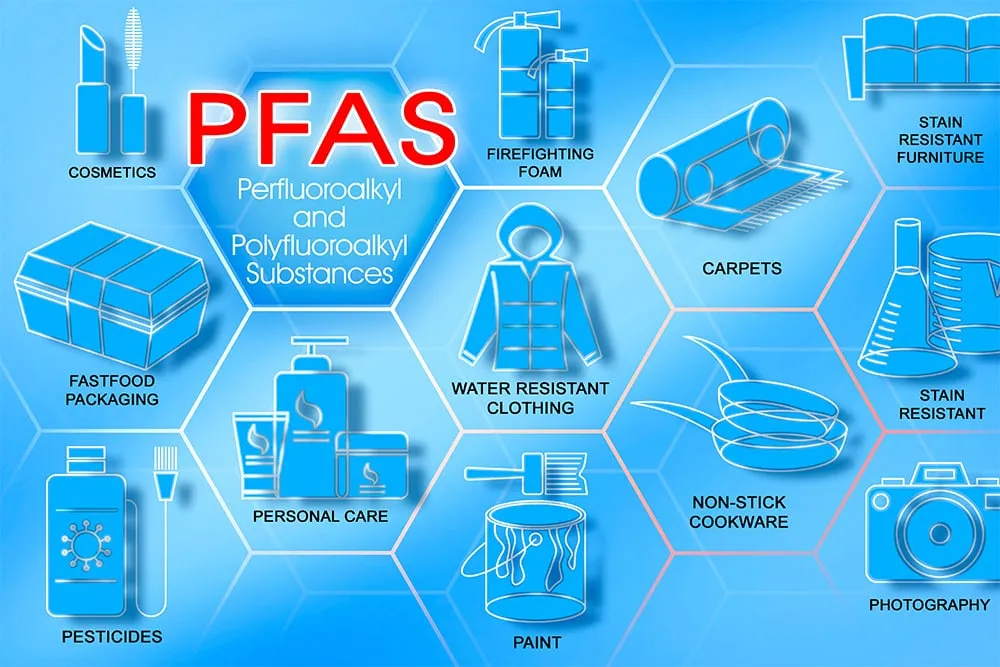
PFAS are widely used throughout society. In recent years, advances in scientific knowledge have brought the dangers associated with emissions of these substances clearly to the fore. Exposure can occur directly, for example through ingestion via food, inhalation or skin contact, or indirectly through the release and breakdown of precursors in the environment. To gain a full understanding of potential emissions over the entire life cycle, the waste phase must also be taken into account. However, knowledge about the impact of PFAS on current and future waste management remains limited. This study therefore provides a critical analysis of the presence of PFAS in plastic, metal, textile and leather, and paper and cardboard waste streams.
PFAS hazards
Waste classification in the EU is primarily governed by the Waste Framework Directive (2008/98/EC). This includes the European Waste Catalogue (EWC), which provides codes and descriptions for different types of waste. PFAS do not have specific codes or classifications in the EWC. However, depending on their specific properties, they may fall under existing waste codes relating to associated substances or materials. For example, they may be considered hazardous waste if they are toxic, flammable or corrosive. Various considerations therefore arise when disposing of or recovering PFAS-containing waste. At present, recycling waste containing PFAS can be problematic because of the persistent nature and high bioaccumulation potential of these compounds. PFAS are difficult to remove completely from materials and can therefore contaminate other materials or recycling processes. Moreover, they will continue to be found in waste streams for years to come. There is no complete ban on the use of PFAS in new products.
Few outliers
Relevant knowledge about the impact of PFAS on waste management, from disposal to recycling, is currently still scarce. This study therefore seeks to address the urgent need to assess the potential implications of proposed new PFAS limits in products for relevant waste recycling sectors. To do so, a systematic analysis of the scientific literature was carried out to gather data on PFAS concentrations in products. The results were compared with the lowest proposed regulatory limit for all PFAS in products (25 ppb). Very few results were outliers above the 25 ppb threshold. The proportion of exceedances ranged from almost 1% (PFOS measurements in paper and cardboard waste) to 8% (‘Other PFAS’ in textile and leather waste).
Pragmatic solution for the waste sector
The results showed particularly high concentrations in samples where a TOP assay (Total Oxidisable Precursors) was performed before the quantification step. In this process, oxidisable PFAS precursors are converted into PFAAs and then measured using a targeted PFAS analytical method. A pragmatic solution for the waste sector was therefore proposed in the form of a stepwise procedure. The proposal calls for an initial concentration limit (as a screening level) to be set for ‘total PFAS’. A more accurate, non-targeted analytical technique, such as total organic fluorine analysis (TOF), could be used for this purpose instead of total fluorine analysis. If the screening level is not met, the proposal calls for the use of more ‘targeted techniques’ based on a verified list of known harmful chemicals derived from toxicity assessments.
Question about this story? Ask your question
Keep following this
Get an email when a new story is published. No account needed.
- ThemeSafe and clean processing
- SubjectNews







