












On track to meet European waste recycling targets
Text Valérie CouplezImage iStock
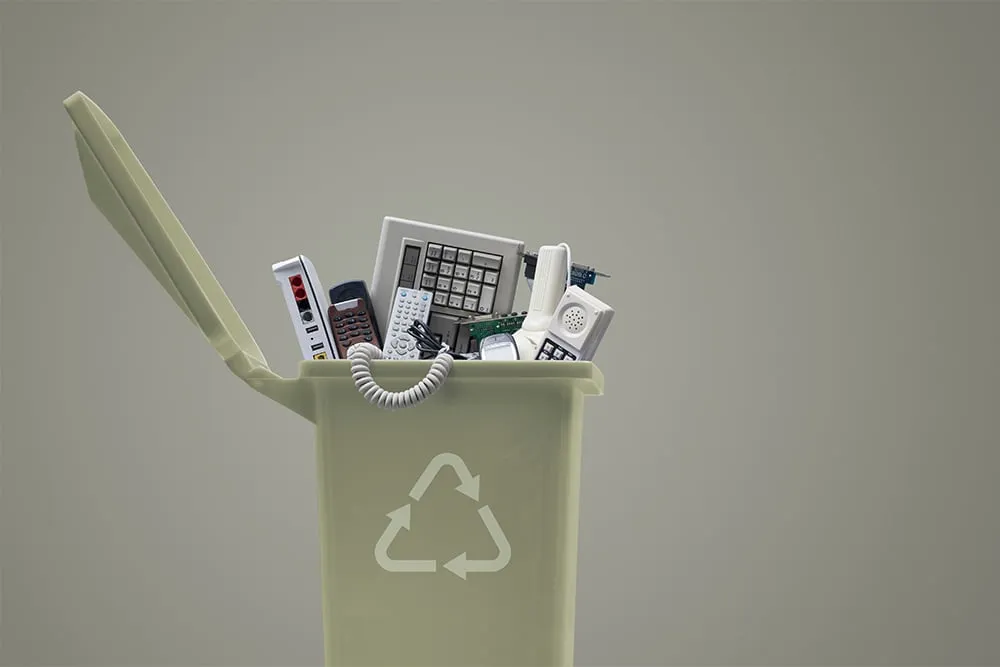
Turning waste back into raw materials will be key to the transition to a cleaner, climate-neutral, circular economy. Reuse and recycling create local jobs, boost innovation, ease pressure on natural resources and reduce dependence on imported raw materials. The legislative foundation for this is the European Waste Framework Directive. It now includes an interim review to assess whether Member States are on track to meet the 2025 targets. Belgium and the Netherlands are among the eight countries making solid progress.
Last summer, the European Commission published a report on Member States’ progress towards the 2025 target for the reuse and recycling of municipal waste, the recycling targets for packaging waste (also set for 2025), and the target to reduce the landfilling of municipal waste by 2035. Think of it as an early warning system to identify areas for improvement and keep everyone on track. Meeting these targets is essential to developing well-functioning markets for recycled materials in Europe.
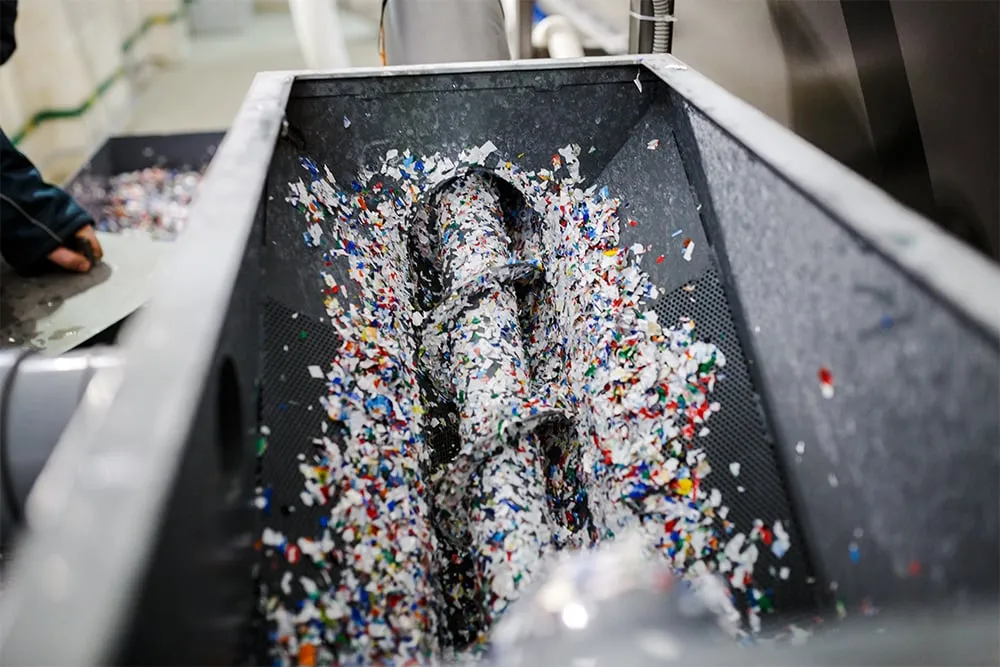
Belgium just 0.8% short
The 2020 figures showed that Belgium was on track in all these areas. The recycling rate for municipal waste was 54.2%, just a fraction short of the 55% target set by Europe for 2025. The other requirements had already been met: only 1.1% of municipal waste is still landfilled, well below the maximum limit of 10%. The proportion of packaging waste currently sent for recycling is 79.7%, putting Belgium ahead of the 65% required by Europe. So everything is looking rosy? Not quite.
Plastic packaging waste will be an area of focus in the coming years. The rate stood at 44.7% in 2020, while Europe wants its Member States to push above 50%.
Challenges and opportunities for Belgium
The European Commission noted in its report that Belgium must continue to pursue an ambitious policy to maintain and further improve its performance in waste prevention, preparation for reuse and recycling. Separate collection of metal, plastics and biowaste is not always user-friendly, particularly in agricultural areas. In addition, while Flanders already has quality standards and quality management systems for the treatment of compost and digestate, these are still lacking at national level. A deposit return system for packaging could also provide a further boost to reuse and capture recyclable materials that are currently lost. Finally, the Commission warns that applying the new calculation method for municipal and packaging waste could result in a lower recycling rate.
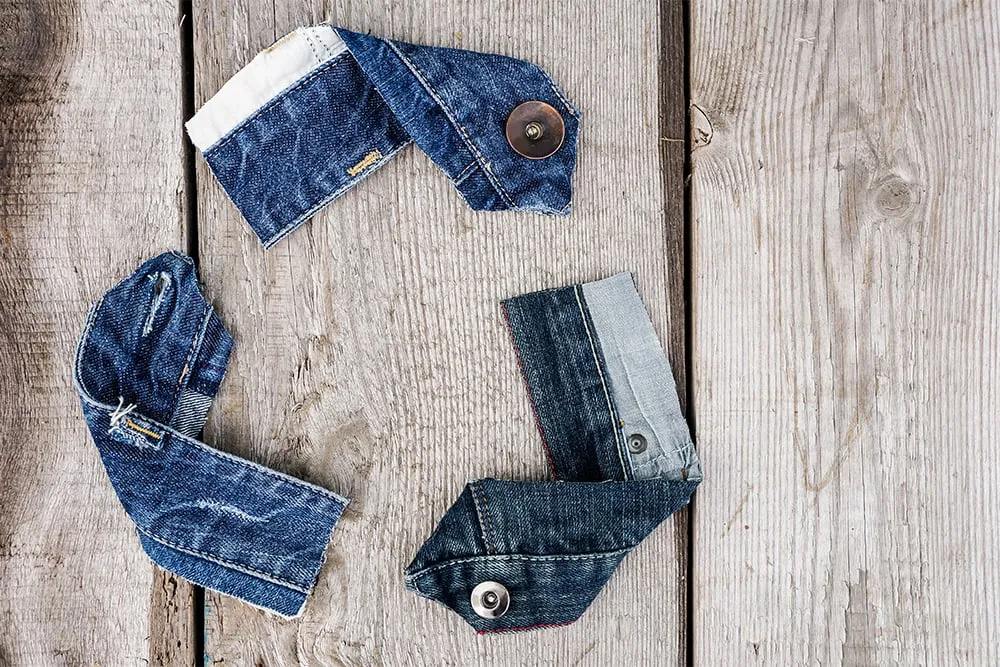
The Netherlands ahead of schedule
The Netherlands is also one of the top performers. With a recycling rate of 56.8%, a landfill rate of 1.4% and a packaging recycling rate of 76.5%, it already meets Europe’s 2025 requirements in every area. This also applies to the recycling rates for each specific packaging material stream. Firmly on track, then. However, Europe also highlights the potential of introducing a pay-as-you-throw system for residual waste. Currently, only 37% of the population has access to one. In addition, introducing economic instruments for packaging could reduce the total amount of packaging waste or influence the choice of packaging materials in favour of greater recyclability and ecodesign.
Best practice from the Netherlands
The ‘E-waste Race’ is an educational competition between schools in a region to collect as much discarded electrical and electronic equipment as possible from local residents. Residents can register their unwanted equipment on a website and arrange for it to be collected from their home. The winning schools receive a prize. More than 1,000 schools in the Netherlands took part in over 100 competitions, collecting more than 1.4 million old electronic devices.
Best practice from Belgium
A sustainable solution for collecting and reusing textile waste has been implemented in Antwerp. ‘De Inzameling’ is a partnership between a consortium of non-profit organisations and local authorities. Textiles, clothing, shoes and leather goods are collected from homes or at drop-off points, sorted and sold locally. In 2017, 1,200 tonnes of textiles were collected. This system, which replaced an old and inefficient one, prevents illegal dumping and supports local reuse.
Question about this story? Ask your question
Keep following this
Get an email when a new story is published. No account needed.
- ThemeCircular business under changing regulations
- SubjectNews







