












New VLAREMA rules explained
New VLAREMA rules came into force on 1 September. OVAM aims to ensure that no recoverable materials remain in the residual waste produced by Flemish businesses. Stany Vaes, managing director of Denuo, takes us through the main changes and their impact on waste collectors, traders and brokers (IHM’s).
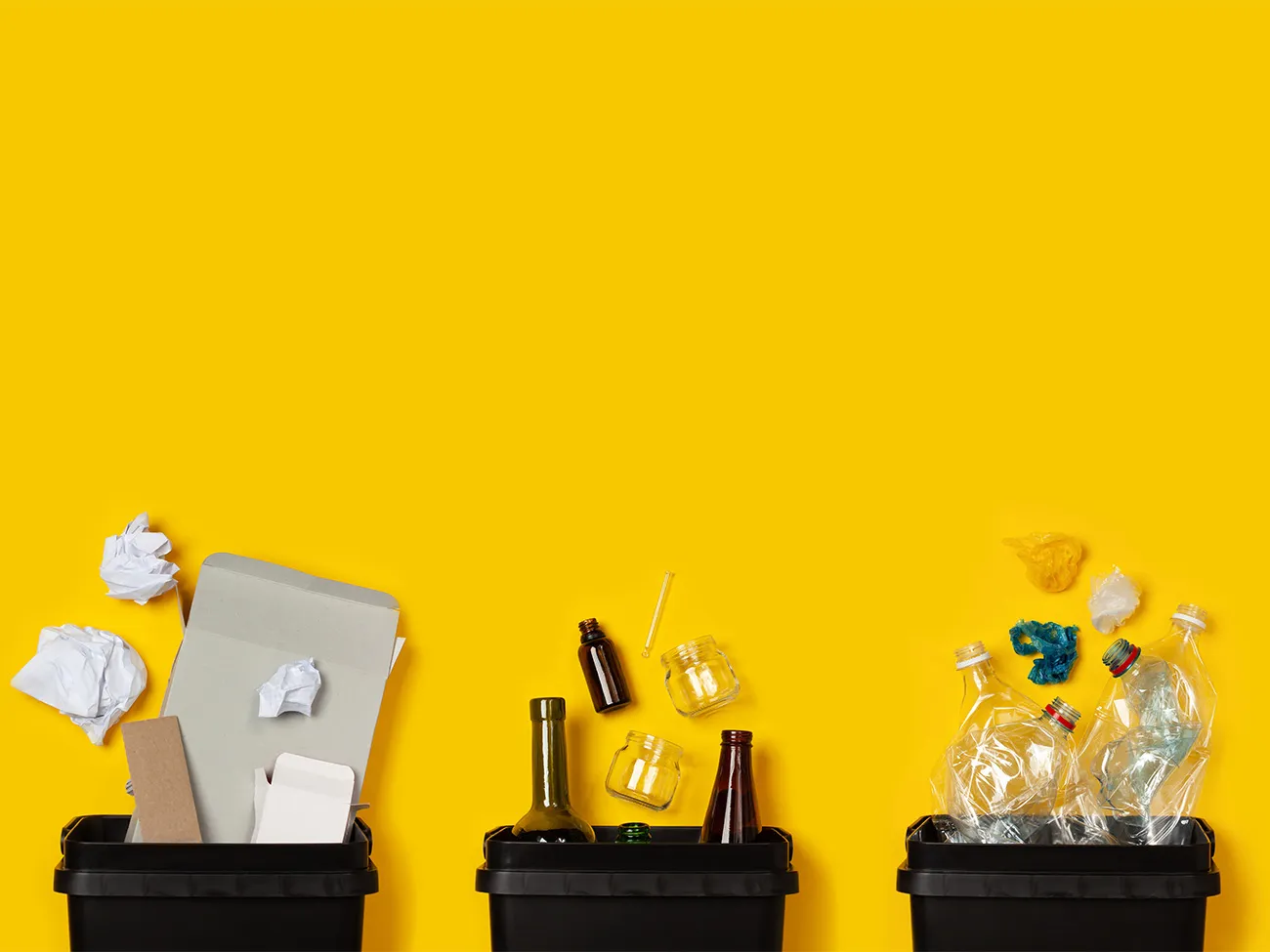
Recycling always starts with sorting at source. The purer the waste streams, the more value can be recovered from the materials. That is why businesses have been required to sort their waste for years. In Flanders, 24 streams must be collected separately. Vaes says: “Most of these streams have been subject to a sorting requirement for years, yet too many businesses still fail to comply, judging by what remains in their residual waste.” Paper, cans and PET bottles are materials that deserve a second life rather than ending up in residual waste and therefore in the incinerator. Sorting analyses show that, on average, 44% of business residual waste in skips and 29% of business residual waste in wheeled bins could still be collected separately. “OVAM has been raising awareness for years to get more businesses sorting their waste. With the new VLAREMA rules, it wants to step things up,” says Vaes.

Visual checks of wheeled bins
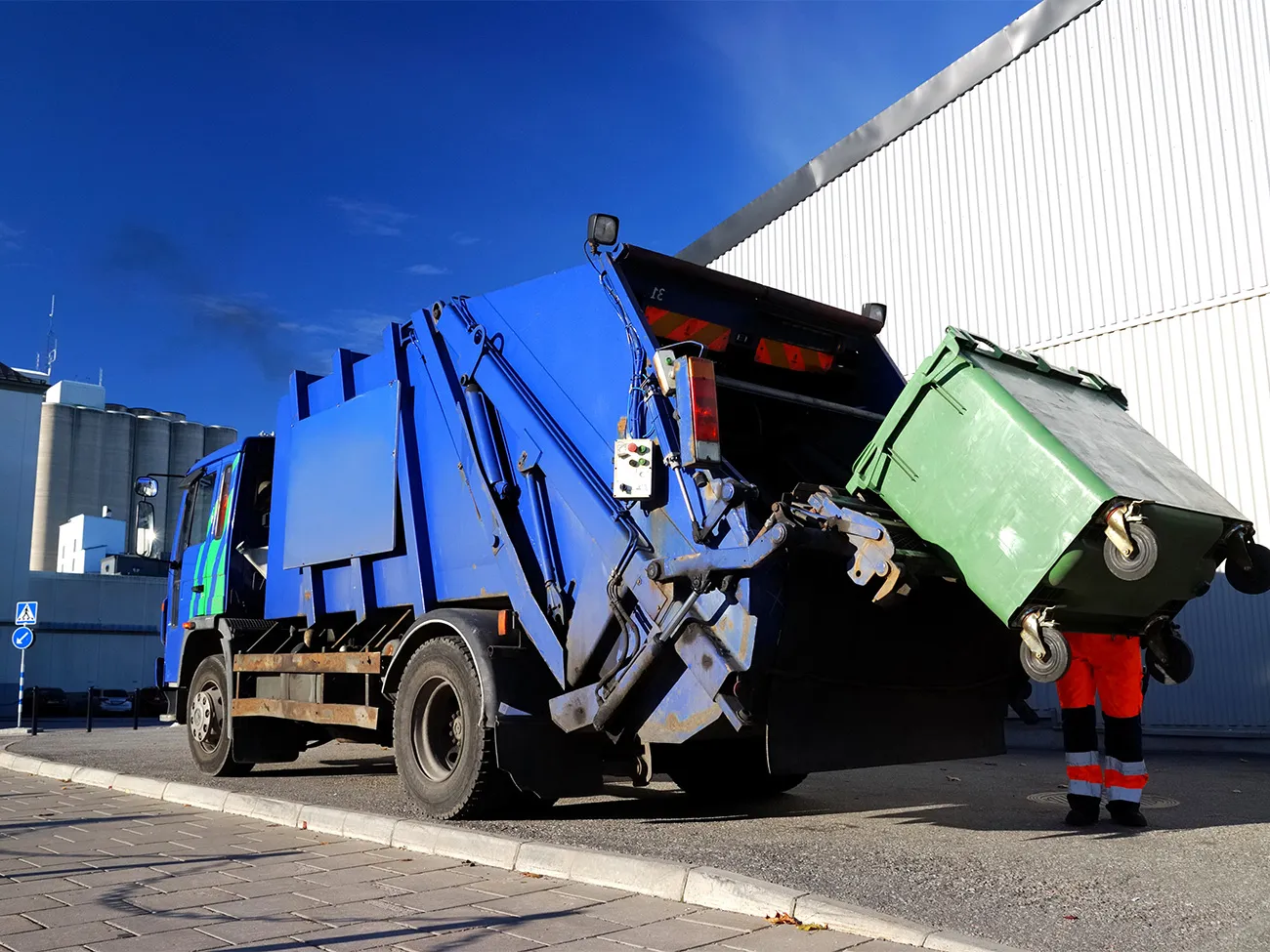
The new rules have a major impact on operators. IHM’s must now also monitor the contents of residual waste bins. Vaes says: “When collecting business residual waste, they must now carry out a visual check of the surface of the wheeled bin.
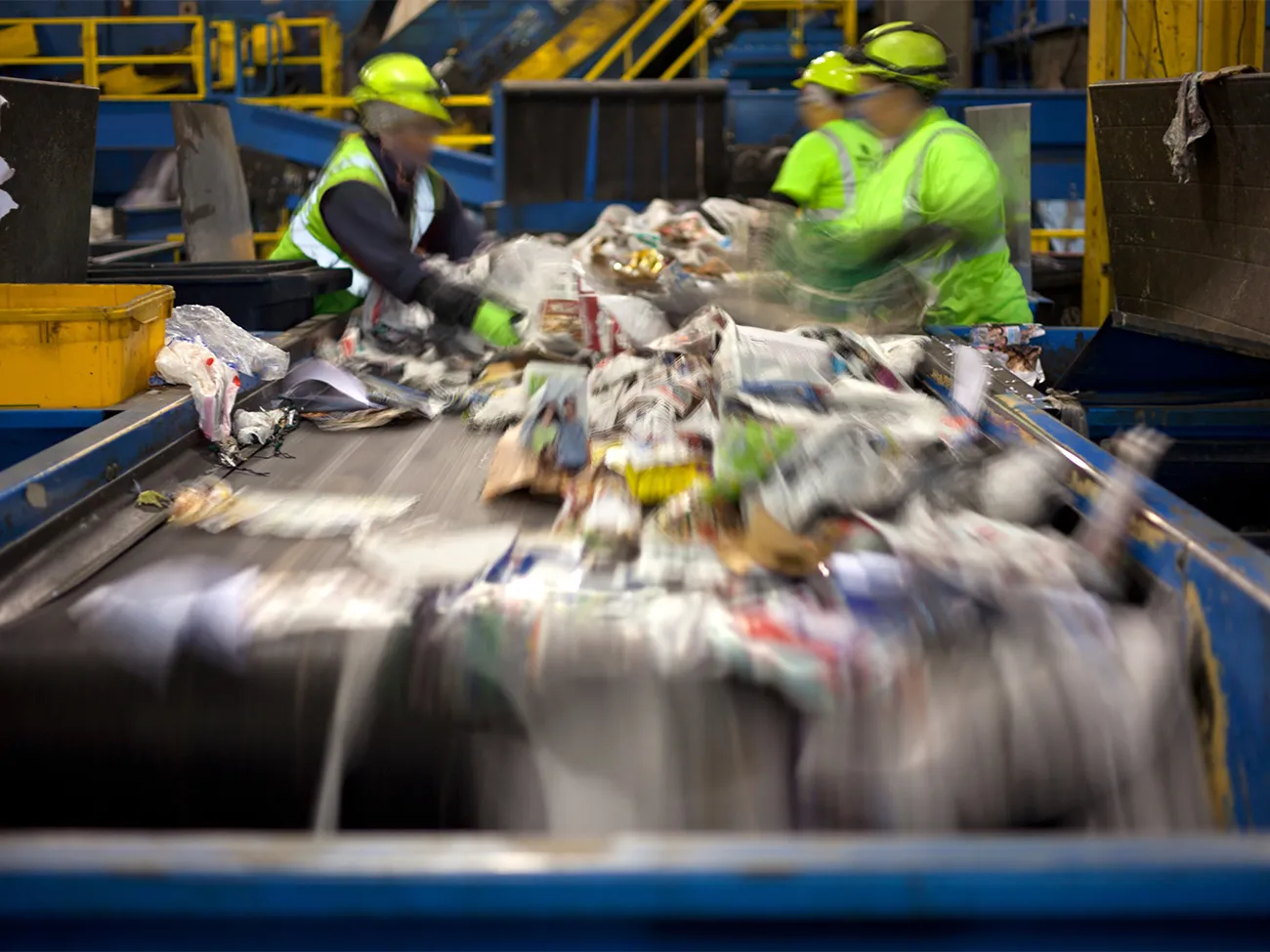
If they see no materials that must be collected separately, the bin can be tipped as usual. If the business has not sorted its waste properly, the collector has three options. Leave the bin where it is. Collect it, sort it again at a transfer station and log the issue in its own non-conformity register. Or collect the bin, report the sorting error in OVAM’s central non-conformity register and then send it to the incinerator.” The aim is for OVAM to use these reports to target awareness-raising and enforcement more effectively. The reports will also provide real-world data to help inform policy changes. Skips are always taken to a transfer station for further sorting. The material sent from there to the incinerator must meet certain quality standards. These are set out in the output specifications, which define the maximum quantities of waste that may remain in any given 10 m³ batch. Under the new VLAREMA, these limits will become stricter from 2023 (see box). “The permitted quantities and dimensions will be reduced further.”
What is and is not acceptable?
In practice, this means operators are being handed some of the responsibility for enforcement. Unsurprisingly, the industry federation is unhappy about this development. “In principle, enforcement is and remains the responsibility of the authorities,” says Vaes. “It is not easy for IHM’s to have to pull up a customer. There is now effectively zero tolerance for residual waste, regardless of the amount of each waste stream a business produces. The presence of any materials that can still be recycled is effectively a sorting error. Exactly where the line will be drawn during inspections is still unclear. We have been told that only ‘serious errors’ will be taken into account, so a single drinks can in a bin would not count. The situation is different when hazardous waste or WEEE is present, for example: in that case, the driver must always leave the bin where it is. But we do not yet know what criteria enforcement officers will use to assess sorting errors. It would be useful to give drivers clear guidance.”
Raising awareness and providing information
The rules must also be clear from a legal perspective. All matters relating to waste are covered by environmental legislation, and breaches can be prosecuted and punished with fines or even prison sentences. “So the consequences can be serious, both for the business concerned and for IHM’s.” Denuo is not standing still, however, and is looking for ways to reconcile theory with practice. “The first step is raising awareness. The legislation was introduced quite quickly, and many IHM’s are still not aware of exactly what is expected of them. It is our job to provide them with detailed information through communications campaigns and seminars. Secondly, we are working hard, in consultation with OVAM, on a sorting guidelines book based on photographs. This will give drivers a highly visual aide-memoire to help them know what is and is not acceptable. This will be a major adjustment for them too,” says Vaes.
Finding practical solutions
What else could be done to get businesses sorting and recycling more? Vaes says: “Businesses are certainly looking at ways to reduce their environmental footprint. The time is right to introduce further measures. The difficulty lies in putting them into practice. Not every business has the space to collect each stream separately. Perhaps, as an industry, we should consider which streams can be combined in the same container and sorted out relatively easily afterwards. Could a container for further sorting also be provided in certain cases, at an extra cost, of course? That would give the IHM clear instructions without stigmatising the customer. Finally, we need to be prepared to examine how recyclable certain streams really are. What is the point of collecting a stream separately if there is no viable market for it, as is currently the case with textiles? The more value materials have, the less likely they are to end up in residual waste. We all need to work on that.”
But what is the situation on the other side of the language border?
Vaes says: “In Wallonia, streams only have to be collected separately if they are present in substantial quantities. If certain reference values are exceeded over a reference period, those materials can no longer be included in business residual waste. However, the region now wants to move towards a stricter system, with more streams to be collected separately and thresholds abolished and replaced with the same zero-tolerance approach used here. There are no plans, however, to transfer enforcement responsibilities to IHM’s.”
Output specifications
From 1 January 2023, the following limits apply:
• a maximum of three pieces of recyclable paper and cardboard with an area of more than 0.5 m²;
• a maximum of 30 l of paper and cardboard packed together;
• a maximum of three pieces of waste wood with an area of more than 0.5 m²;
• a maximum of 30 l of waste wood packed together;
• a maximum of three pieces of green waste longer than 0.5 m;
• a maximum of 60 l of green waste packed together;
• a maximum of three pieces of metal with an area of more than 0.25 m² or a length of more than 1 m;
• a maximum of three pieces of recyclable textile waste with an area of more than 0.25 m²;
• a maximum of three pieces of rubble with an area of more than 0.5 m²;
• a maximum of 60 l of rubble;
• a maximum of one package of transparent or white plastic film larger than 30 l;
• a maximum of three pieces of EPS and recyclable rigid plastics with an area of more than 0.5 m²;
• a maximum of fifty pieces of PMD;
• no waste tyres;
• no pieces of hazardous waste, WEEE, small hazardous waste, asbestos cement or asbestos-containing waste.
Een zakelijke vraag aan OVAM? Get in touch
Companies in this story

Keep following this
Get an email when a new story is published. No account needed.
- ThemeImproving waste collection and transport
- SubjectNews
- CompanyOVAM







