












New technologies for high-quality tyre recycling
Text Els GoethalsImage Recytyre
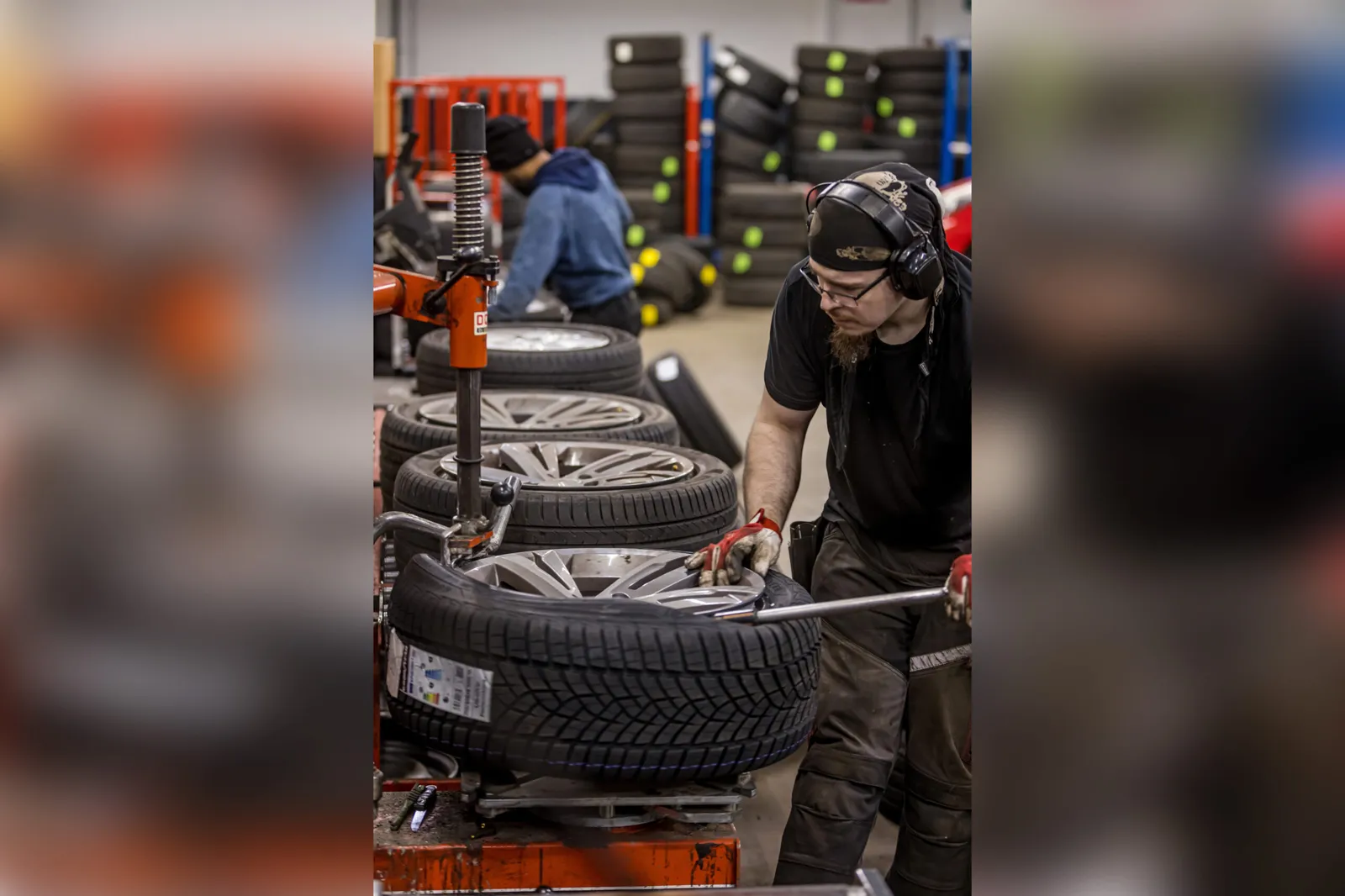
From end-of-life tyres to economic opportunities
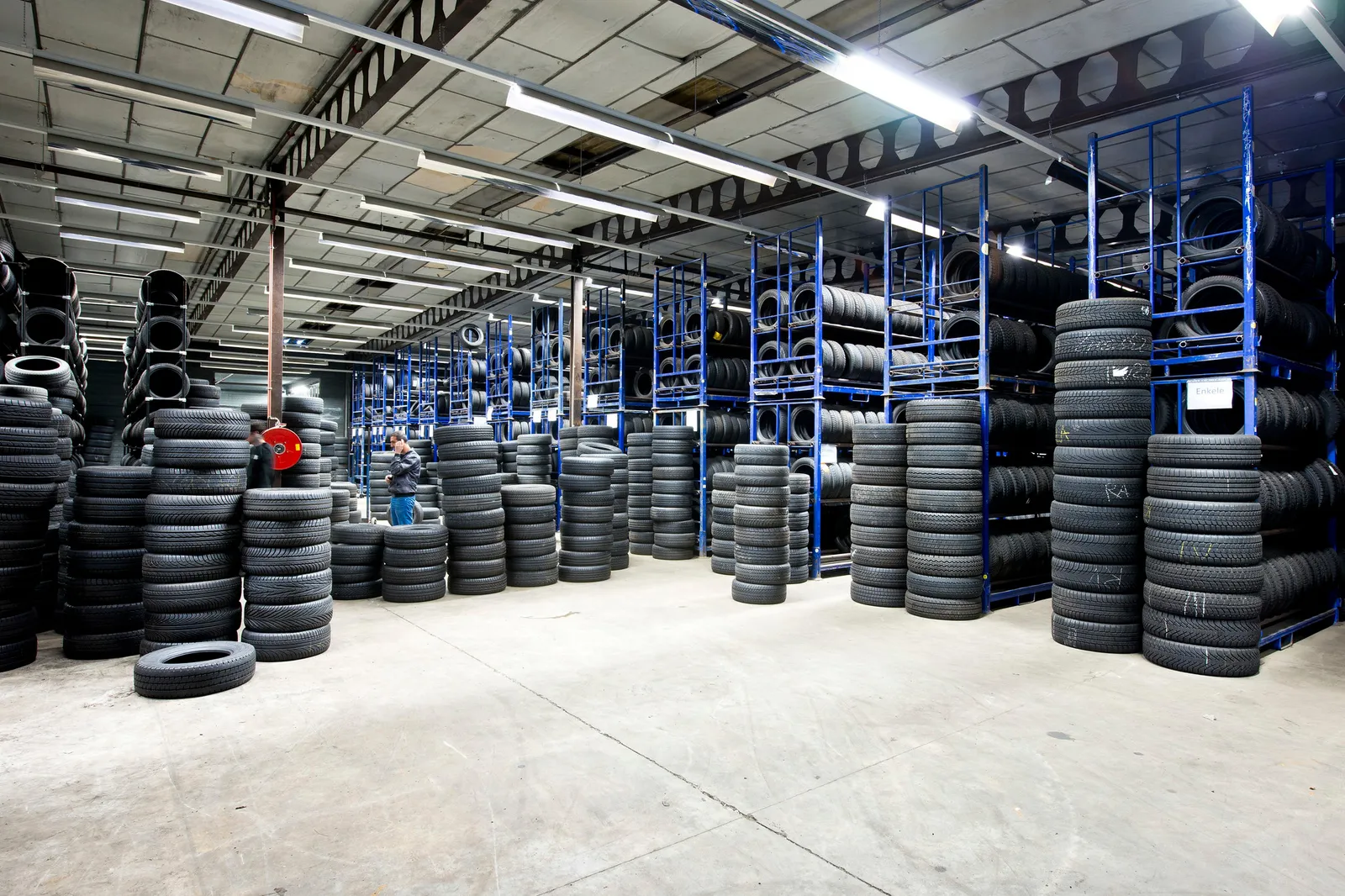
Thankfully, the days of landfill sites piled high with worn-out tyres are behind us. Around 90,000 tonnes of waste tyres are collected for recycling and recovery each year. With material recovery close to 100%, Belgium is among the frontrunners. Recytyre is the ‘conductor’ of this circular chain. A story of partnerships, opportunities and challenges.
“As a management organisation, Recytyre promotes the sustainable use of tyres and is committed to collecting and recycling them efficiently,” says CEO Chris Lorquet. “It is worth saying that, thanks to the efforts of our team and partners, we can point to impressive figures. However, there is still room for improvement in reuse and retreading. New challenges also continue to emerge.”
New challenges, new innovations
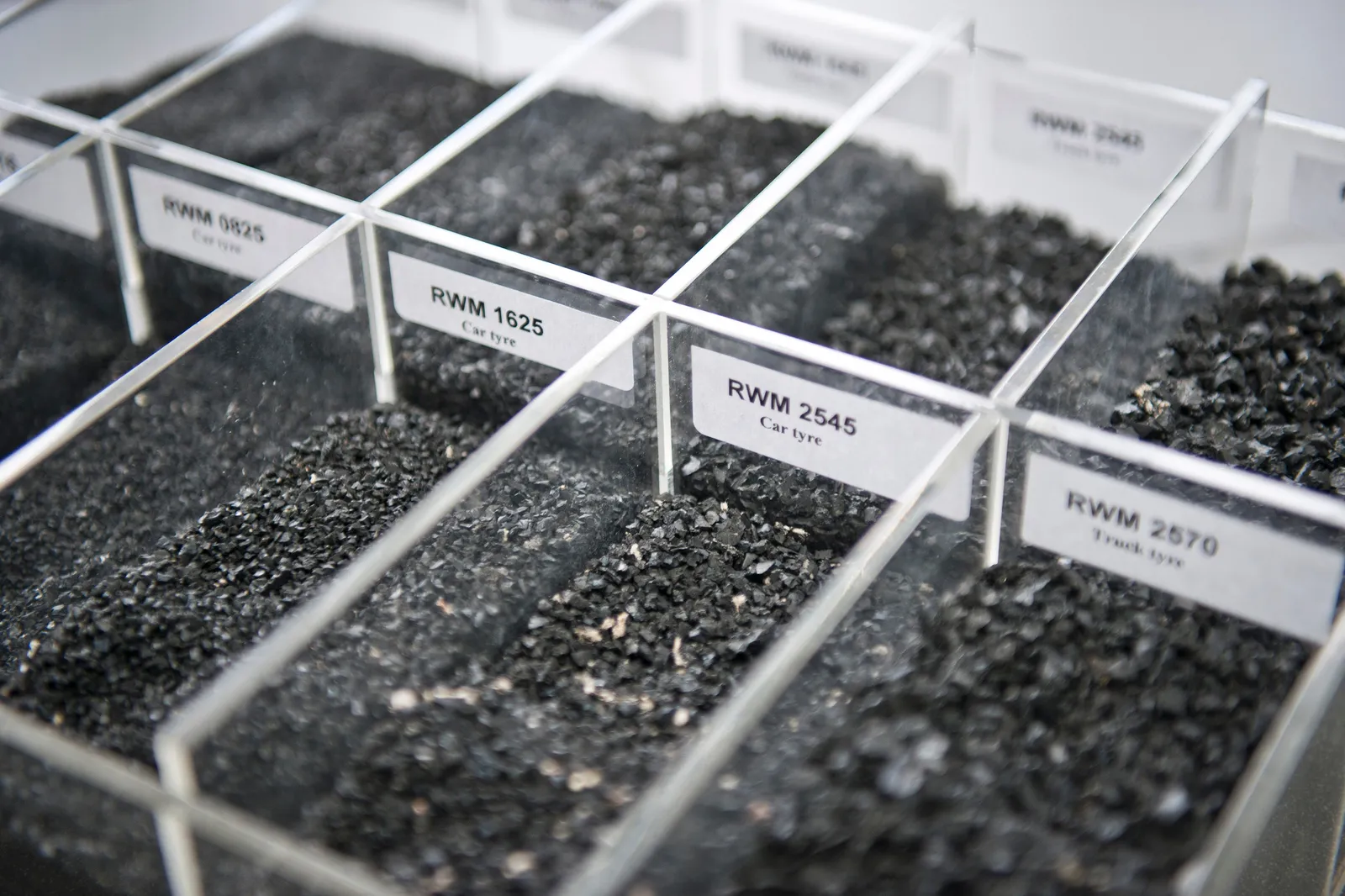
“To give you an idea, the tonnages of worn-out tyres collected, from road vehicles to off-road vehicles, are sent to processing companies such as rubber granulate manufacturers. The ground rubber is often used today as infill for sports fields. In response to stricter EU guidelines, this use will no longer be permitted by 2030, and it is already being phased out. Fortunately, advanced technologies are ready to meet the challenge. There is therefore no reason to be concerned, including for rubber granulate manufacturers.”
Promoting the local circular economy
“Until recently, the processing of collected waste tyres took place mainly outside Europe. Local economic opportunities are now emerging, an evolution we have been working towards for a long time. One example is Green.er, led by the King Baudouin Foundation with financial support from Recytyre. The fund supports R&D initiatives that promote the sustainable recycling of waste tyres,” says Lorquet. “Years of accumulated expertise and process improvements are now resulting in practical applications. Chemical recycling, or pyrolysis, is a good example. Valuable raw materials such as carbon black and pyrolysis oil are recovered and given a second life in other chemical industries. Plans for tyre recycling plants are becoming increasingly concrete in both Flanders and Wallonia. Around six pyrolysis projects were launched in the first half of 2025, with the aim of operating at full capacity in 2026. An important new industry is taking shape. I am absolutely convinced of that. Recycling through devulcanisation also holds future potential for the large volumes of granulate produced.”
Attractive cashback offer
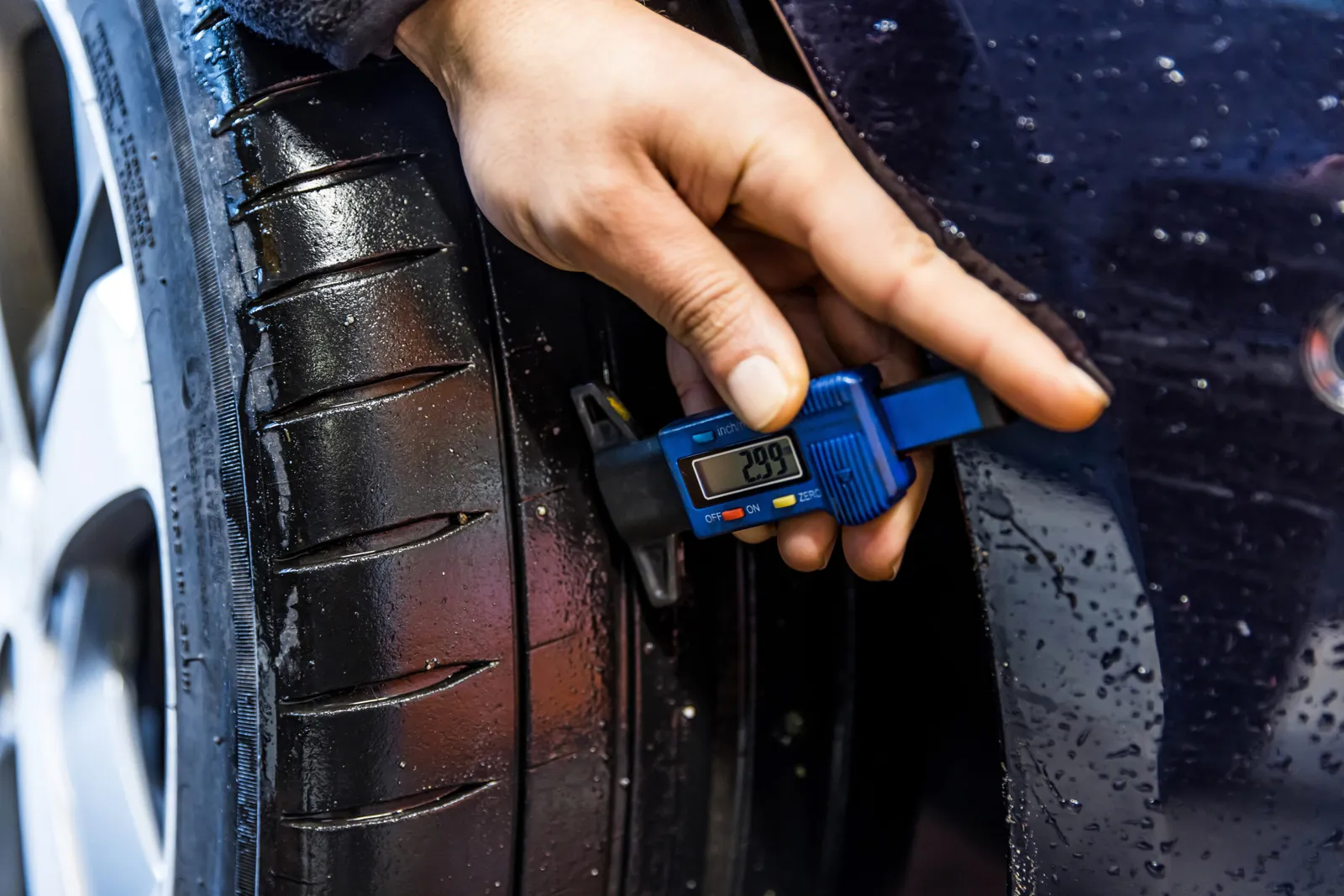
“Good things come in threes, and alongside pyrolysis and devulcanisation, retreading is another one. Restoring the tread on used tyres is a primary way to extend their end-of-life chain. It makes sense, then, for Recytyre to support it,” says Lorquet. “That is why we are relaunching our successful cashback offer this year. When you buy a set of retreaded tyres, you get between 7.88 and 17.60 euros back per tyre, depending on the inch size. What’s more, retreaded tyres are exempt from the environmental contribution that applies to new tyres. A double win for both the environment and the user.”
Free-market operation
“The basis of the Recytyre system is the statutory environmental contribution paid by end users when they buy new tyres. Producers and importers pay this contribution to Recytyre, which uses it to fund the collection and recycling of old tyres,” Lorquet explains. “Any retailer selling new tyres that endorses and complies with the principles of our charter can register as an authorised collection point. The basic principle is simple: for every new tyre sold, one old tyre is accepted. We provide a transparent framework that allows for long-term partnerships within the existing legal framework, bearing in mind that different guidelines apply in Flanders, Wallonia and the Brussels-Capital Region.” Will you help reduce the waste mountain and protect nature from illegal dumping?
Question about this story? Ask your question
Keep following this
Get an email when a new story is published. No account needed.
- SubjectNews







