












New targets for packaging waste
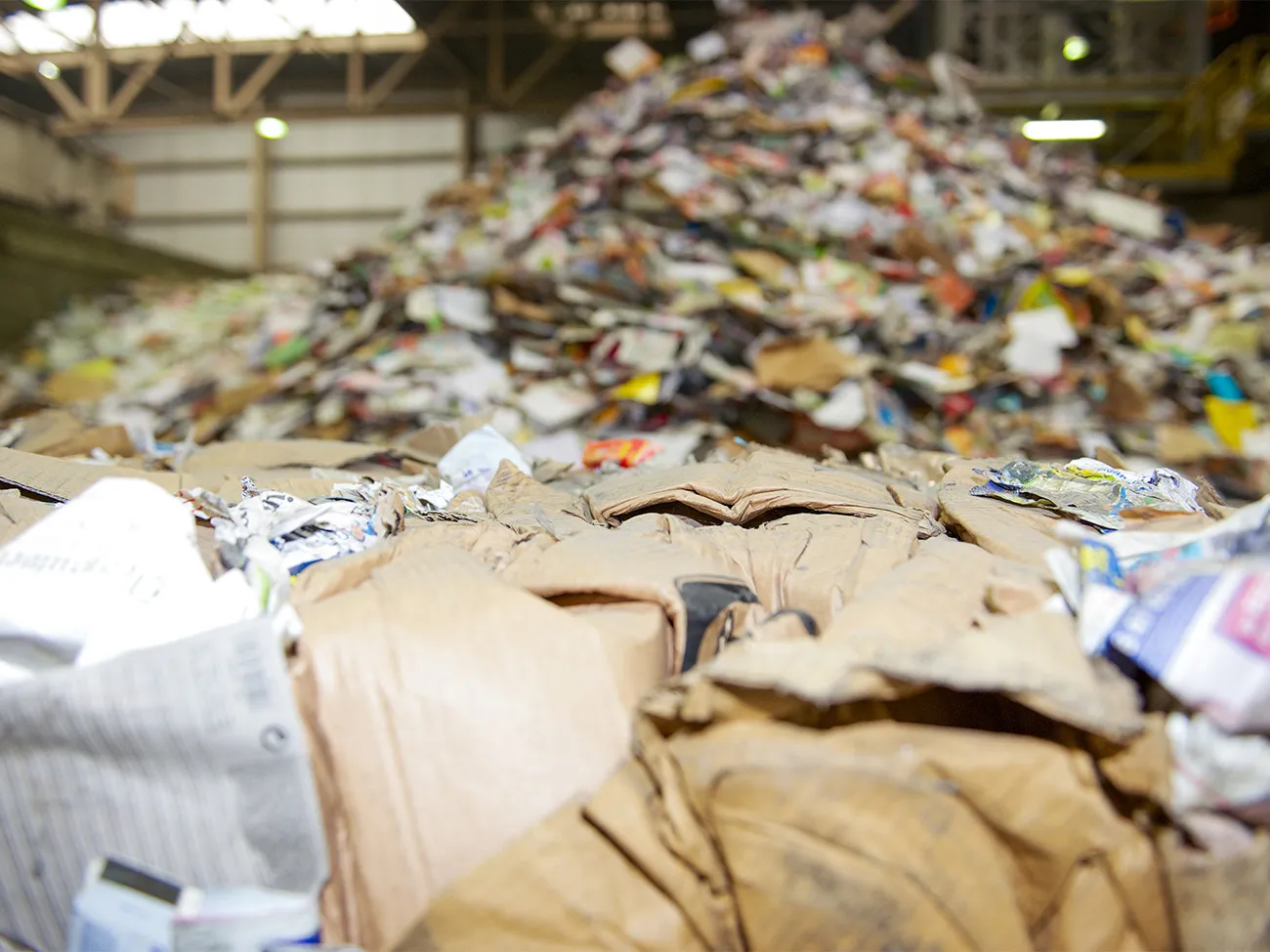
Europe is serious about getting the circular economy off the ground. One of its key building blocks is promoting separate collection and recycling. A calculation method has been established to determine how far each country has progressed. This method has now been revised: from 2022, a new, clearer and stricter method will come into force. This has prompted the Interregional Packaging Commission to raise its own targets from 2021.
The Interregional Packaging Commission (IVC) is a joint body representing the three regions of Belgium. Its responsibilities include granting recognition to Fost Plus and Valipac, monitoring compliance with the Cooperation Agreement, and recognising and monitoring the recycling and recovery results of the recognised organisations and individual companies. “The treatment of packaging and packaging waste is governed by the Cooperation Agreement of 4/11/2008, which is common legislation for the three regions. To keep raising the bar for the separate collection and recycling of packaging waste, the figures needed updating.” In 2008, the overall target was already increased substantially. 80% of all packaging placed on the market must be collected and recycled, covering both household and commercial packaging waste. A recovery target was also set at 90% for household packaging waste and 85% for commercial packaging waste. Recovery means recycling or incineration with energy recovery. On 5 March 2020, the 2008 Cooperation Agreement was revised. Highly ambitious recycling targets were set for each material. These new targets apply from 2021.

Raising the bar
These figures clearly demonstrate the IVC’s ambition. Adams: “We are already doing very well. We exceed the minimum targets set by Europe with the proverbial fingers in our noses. We have our two systems to thank for this: one for household packaging waste (Fost Plus) and one for commercial packaging waste (Valipac). Years ago, these laid the foundations for what is possible today. That is why we can and should be more ambitious, to maintain and even strengthen our leading position. The targets we have set will certainly require additional efforts from Fost Plus and Valipac. But we believe they are achievable and will enable us to take the next steps towards a circular society.”
Plastics: delayed, not abandoned
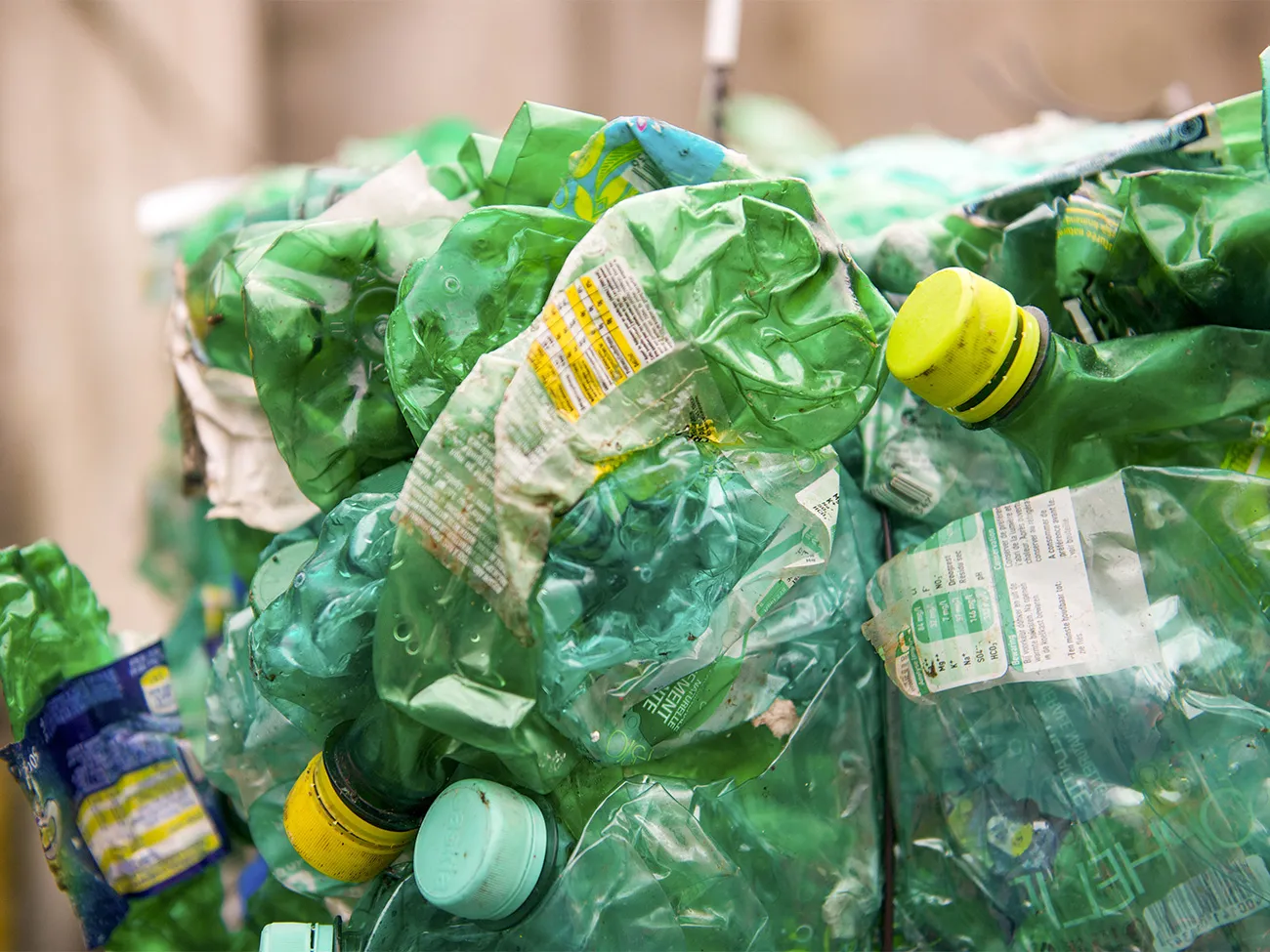
Targets have therefore been clearly set for the various materials. Plastics alone will have a run-in period. The bar will be raised again in 2023 and 2030. “Plastics are often spoken of as one material, but in reality they comprise very different materials. The more effectively we can create single-material streams through separate collection and sorting, the more high-quality the recycling of the collected materials can be. This works well for household waste, because Fost Plus has full control of the process. With the new sorting and recycling centres for the expanded PMD stream, we even aim to close the loop here in Belgium. The decision has already been made to build two new recycling plants in Belgium for PET and PE film, where PET bottles will be recycled back into PET bottles and PE films back into PE films. We want to make this happen for the other plastics too.” This will be a two-track process, as the targets differ for household and commercial plastics: 65% and 55% respectively in 2023, rising to 70% and 65% in 2030. “A large proportion of commercial plastics goes to traders, particularly mixed and coloured films. It is harder to check whether they are properly recycled at their final destination, and the IVC requires conclusive proof of recycling, including in cases involving trading. Valipac has already begun mapping the flows. The next step is audits. So we believe Valipac can also meet its targets, ambitious though they are.”
New calculation method
Adams is not concerned that a new European calculation method will have to be applied from next year. Quite the contrary. “It has long been a source of concern that figures for collection and recycling could be calculated in different ways. Eurostat itself identified clear differences in the calculation methods used by Member States. The new method should now bring greater harmonisation. The calculation will inevitably become stricter. Some adjustments that were not previously required will now have to be made. However, Belgium has always applied the European calculation method rigorously, so I expect the impact here to be relatively limited compared with other Member States. As the IVC, we therefore welcome a more level playing field for all Member States,” Adams concludes.
Recycling targets by material (from 2021 unless otherwise stated):
• 90% for ferrous metals
• 75% for aluminium
• 90% for glass
• 90% for paper and board
• 90% for beverage cartons
• 50% for plastics
• 65% recycling for household plastics (from 2023)
• 55% recycling for commercial plastics (from 2023)
• 70% recycling for household plastics (from 2030)
• 65% recycling for commercial plastics (from 2030)
• 80% for wood
Question about this story? Ask your question
Keep following this
Get an email when a new story is published. No account needed.
- ThemeMaking plastics and packaging circular
- SubjectNews







