












New rules for waste exports
Text Valérie CouplezImage iStock

With approval by the Council of Europe and publication in the Official Journal of the European Union still to come, the new European Waste Shipment Regulation is all but ready. The formalities are expected to follow by April at the latest. It will then enter into force two years later. The recycling sector now knows what to expect. The biggest challenge? From around the end of 2026, the gate will (temporarily) close to exports of plastics, regardless of quality. We guide you through the main changes.
With the new rules, Europe wants to fundamentally change the export of waste beyond its borders. Plastics, which have become a symbol for many politicians of the way we dump waste, will be given a separate status. The same rules will apply to all other material streams. Anyone wishing to export waste to non-OECD countries will only be able to do so to ‘approved’ destinations. These are facilities that process the material streams and give them a second life under broadly the same rules as apply here. This means complying with environmental regulations and the national waste plan, while also taking social issues into account. For example, child labour must not be involved.
Audits of countries and facilities
Europe will require audits to check whether these conditions are met. They will take place at several levels. Does the country concerned have sufficient regulations and enforcement? The processing facility itself will also be screened to check that everything is done by the book. A key point of focus will be the treatment of residues. What happens on site to the residual streams left over after processing? An audit can be commissioned by the exporting facility, the importing facility or even a third party. This system is closely aligned with the way Valipac currently operates. It already maps where plastics end up around the world and validates those applications. This provides assurance that the material is processed to a high standard.
No more exports of plastics
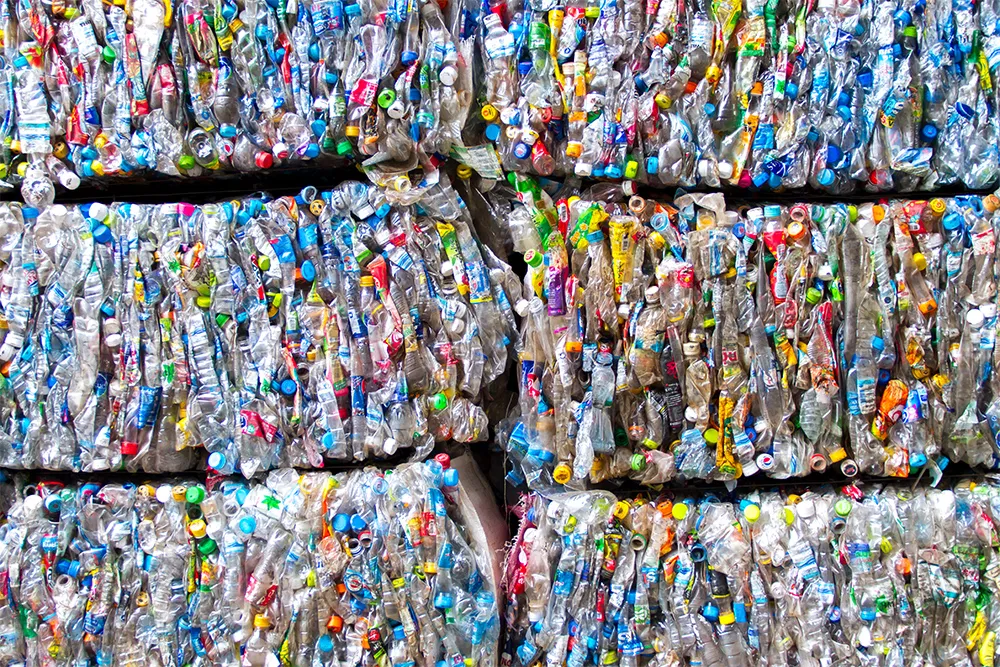
But, as mentioned, plastics have no place in this story. 30 months after the new WSR rules are officially published, exports of plastics will be completely banned. In practice, this deadline will probably fall somewhere towards the end of 2026. From then on, plastic waste of any quality will no longer be allowed to go to non-OECD countries. The ban will not be permanent. After five years, importing countries will be able to apply for an exemption. They will then have to demonstrate that, as with other material streams, everything is processed in accordance with environmental, labour and social legislation. Exports to OECD countries will also be subject to stricter monitoring. If monitoring identifies specific problems, sanctions or even a ban may follow.
Exchanging data
The new regulation also explicitly states that EU Member States will need to step up enforcement. First and foremost, by working together more closely. They will therefore have to exchange information. In practice, this should close loopholes, helping to curb illegal exports. Another welcome change is the increase in the volume that can be used for laboratory analysis. This will rise from 25 kg to 250 kg, bringing it closer to real-world conditions and helping to facilitate innovation in recycling.
€4 million
Finally, one more point. Europe is not just setting the recycling sector a tight deadline. The challenge of building the support services needed to achieve this ambition is also considerable. Among other things, Europe must lay the foundations for a digital system to make it easier for Member States to exchange data on notification procedures. Europe will provide the platform to which the different Member States’ systems can connect. This will eliminate delays caused by sending documents. A further benefit should be the availability of more statistics on waste shipments. The public tender, worth €4 million, has already been published. It is further proof that time is running out.
Question about this story? Ask your question
Keep following this
Get an email when a new story is published. No account needed.
- SubjectNews







