












Morssinkhof Rymoplast Groep starts construction of new recycling plant for PET trays and bottles in Neufchâteau
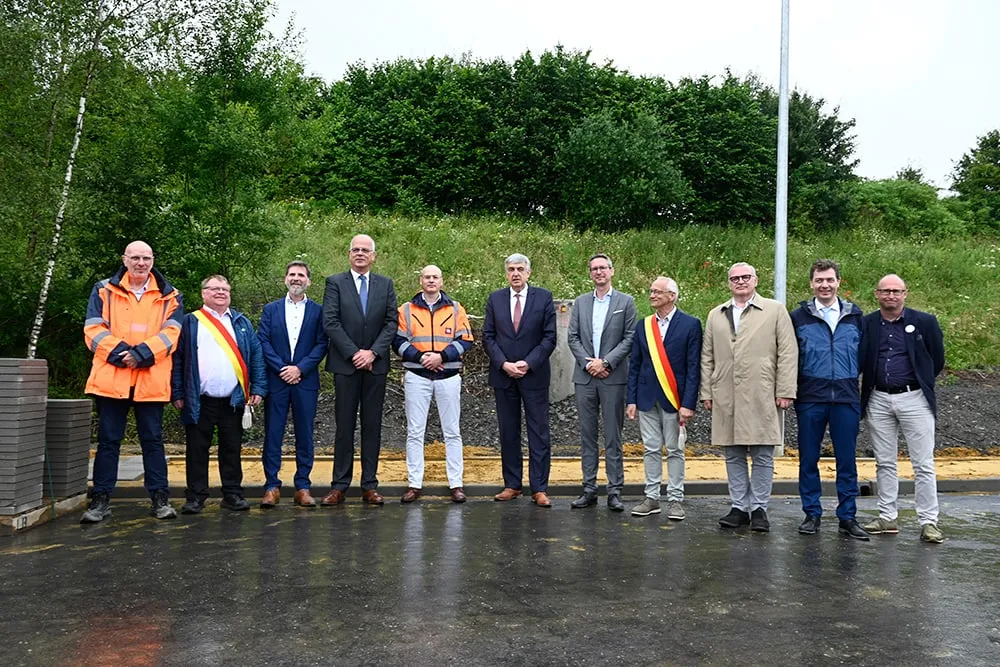
Morssinkhof Rymoplast Groep, in collaboration with IDELUX and Fost Plus, is starting construction of a state-of-the-art plant for recycling complex PET packaging, such as PET trays. The plant will be one of the first in Europe to recycle this packaging into r-PET, mainly for the production of new trays. This strengthens Belgium’s position as an innovative leader in recycling and raw materials management.
Recycling 40,000 tonnes of plastic a year
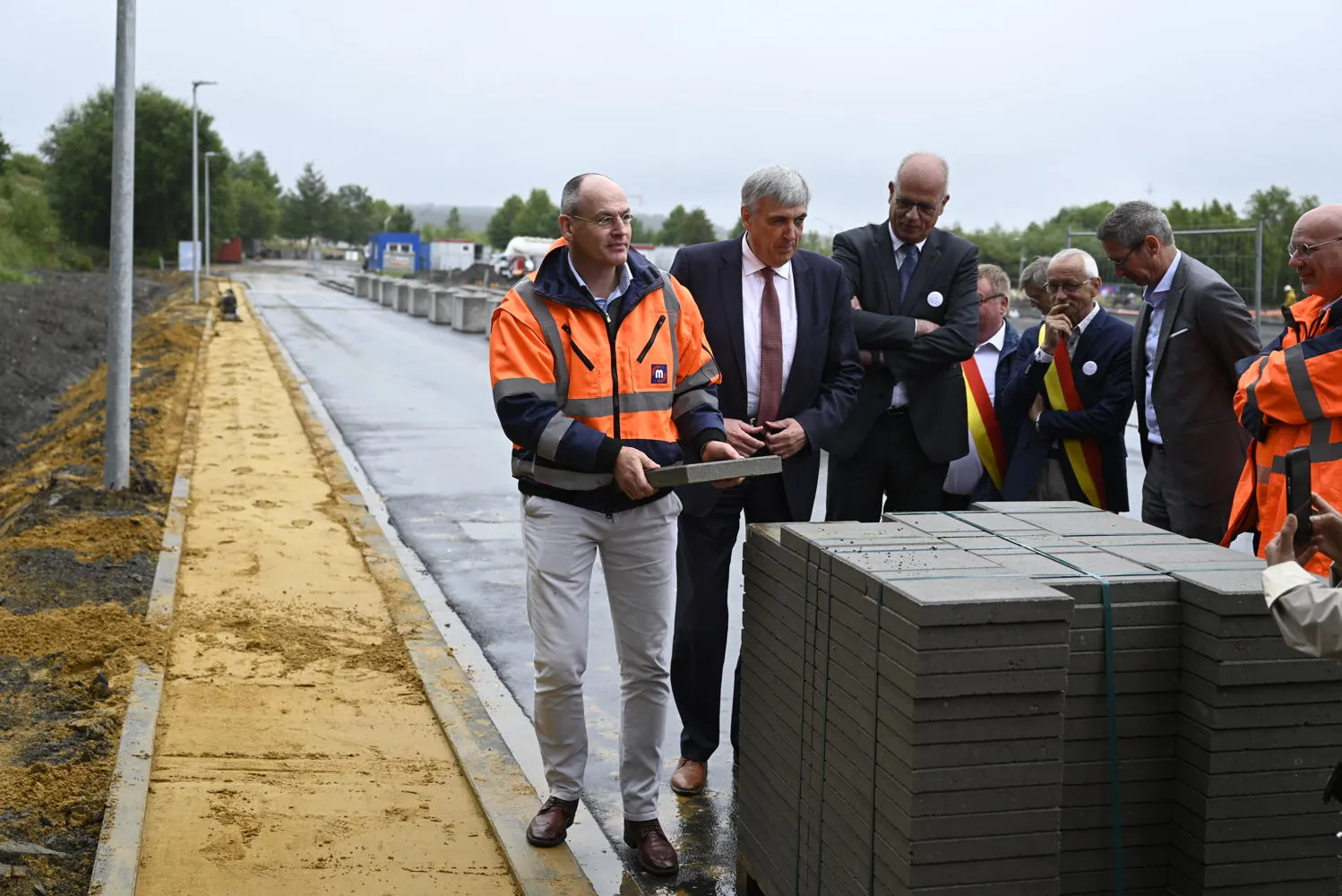
The foundation stone was laid yesterday for the MOPET Belgium B.V. recycling plant. Morssinkhof Rymoplast Groep is investing a total of €68.5 million in the construction of this state-of-the-art recycling plant (phase 1). Phase 1 will ultimately create 90 new jobs.
MOPET will recycle 40,000 tonnes of PET a year, including 10,500 tonnes of PET trays and 17,500 tonnes of PET bottles (including opaque PET bottles) collected through the blue bag scheme. Recycling PET trays into r-PET, mainly for making new trays, is unique in Europe. In many countries, this type of packaging is not yet collected and sorted separately, but it is in Belgium, thanks to the blue bag. MOPET will also be the first plant in Belgium to recycle opaque PET bottles (e.g. milk bottles) into granulate for new PET bottles suitable for beverages.
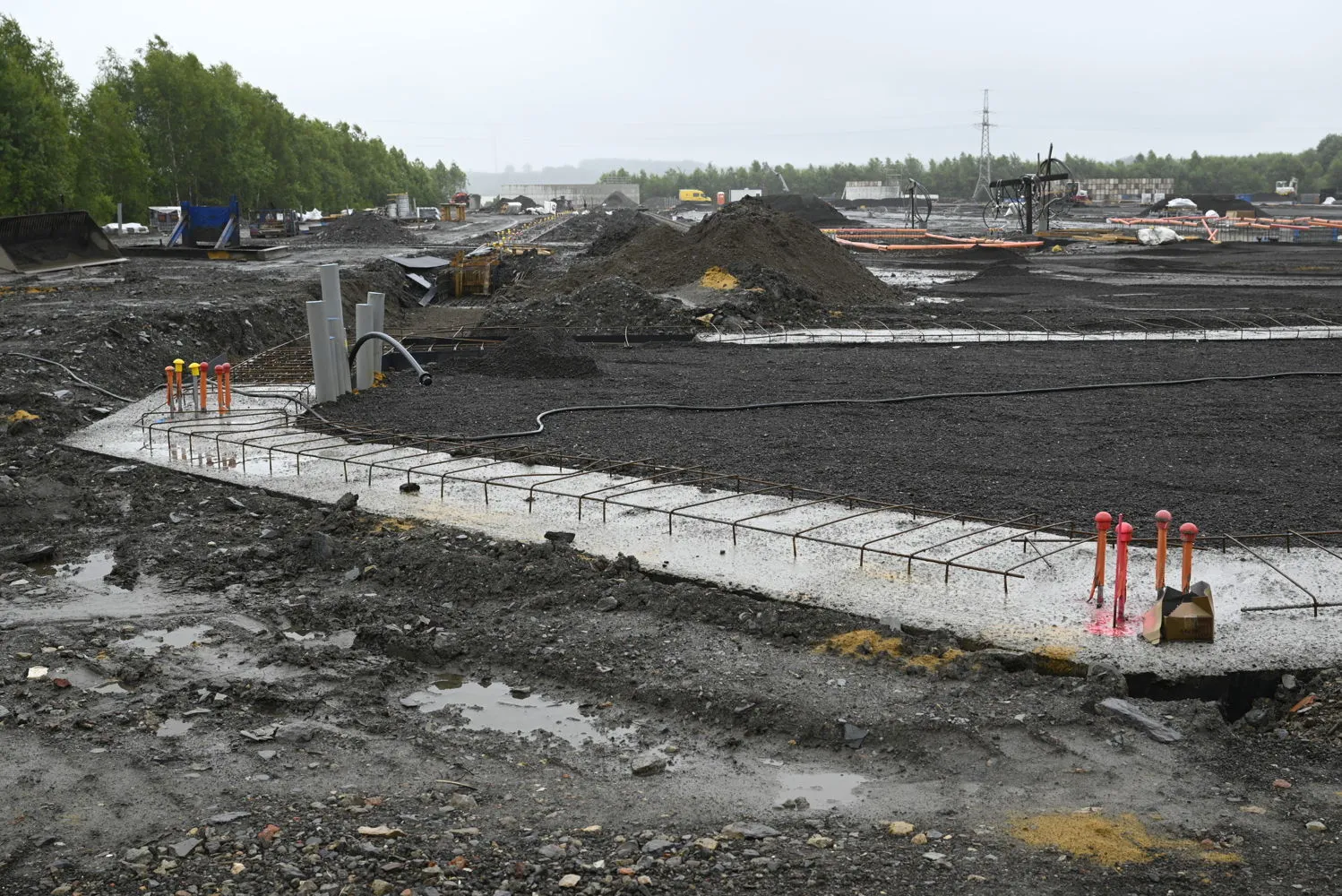
The new plant is sustainable not only in its recycling process, but also in its overall operations. For example, the water used in the recycling process, a valuable and important resource, will be fully purified using state-of-the-art technologies, helping to protect the natural beauty of the province of Luxembourg.
Closing the PET material loop
The partners are already looking ahead, with concrete plans to expand the plant in due course. The aim is also to process PET that no longer meets the required quality standards using a semi-chemical recycling process (CuRe Technology), currently under development in the Netherlands. This means that trays and bottles that can no longer be recycled into pellets for making trays and bottles could still be turned into high-quality recyclate. Phase 2 is expected to create a further 35 jobs and involve an investment of €45 million.
Expanding Belgium’s recycling hub
The new plant will further expand Belgium’s local recycling capacity. MOPET is the fourth of six planned plastic packaging recycling plants in Belgium (FILAO in Charleroi, Ecoo in Beringen and Ecoo in Houthalen-Helchteren, MOPET Belgium in Neufchâteau, Morssinkhof Plastics in Lommel, Plastics2Chemicals in Antwerp). Fost Plus estimates that from 2025, when the last three plants are also operational, 75% of the plastic packaging placed on the Belgian market will also be recycled in Belgium.
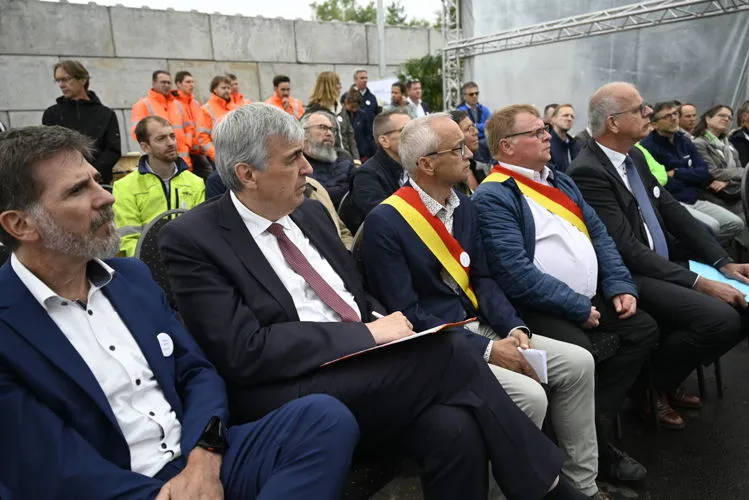
Stefan Morssinkhof, one of the owners of Morssinkhof Rymoplast Groep, says: “With our investment of €68.5 million, we are bringing our expertise in recycling complex PET packaging to Belgium. Our plant will recycle this packaging into high-quality r-PET, which can be used to make new trays and bottles. We are proud to be helping build Belgium’s recycling hub in the heart of Europe.”
Wim Geens, Managing Director of Fost Plus, explains: “The new plant in Neufchâteau will focus on recycling complex PET packaging, such as trays and opaque bottles, a recycling chain that is still in its infancy in Europe. Thanks to the blue bag, we can collect and sort this type of packaging, and now recycle it in Belgium too. This means citizens can be sure that packaging placed in the blue bag is actually recycled. This is better for industry, better for nature and better for people. Fost Plus is doing its bit by making this possible.”
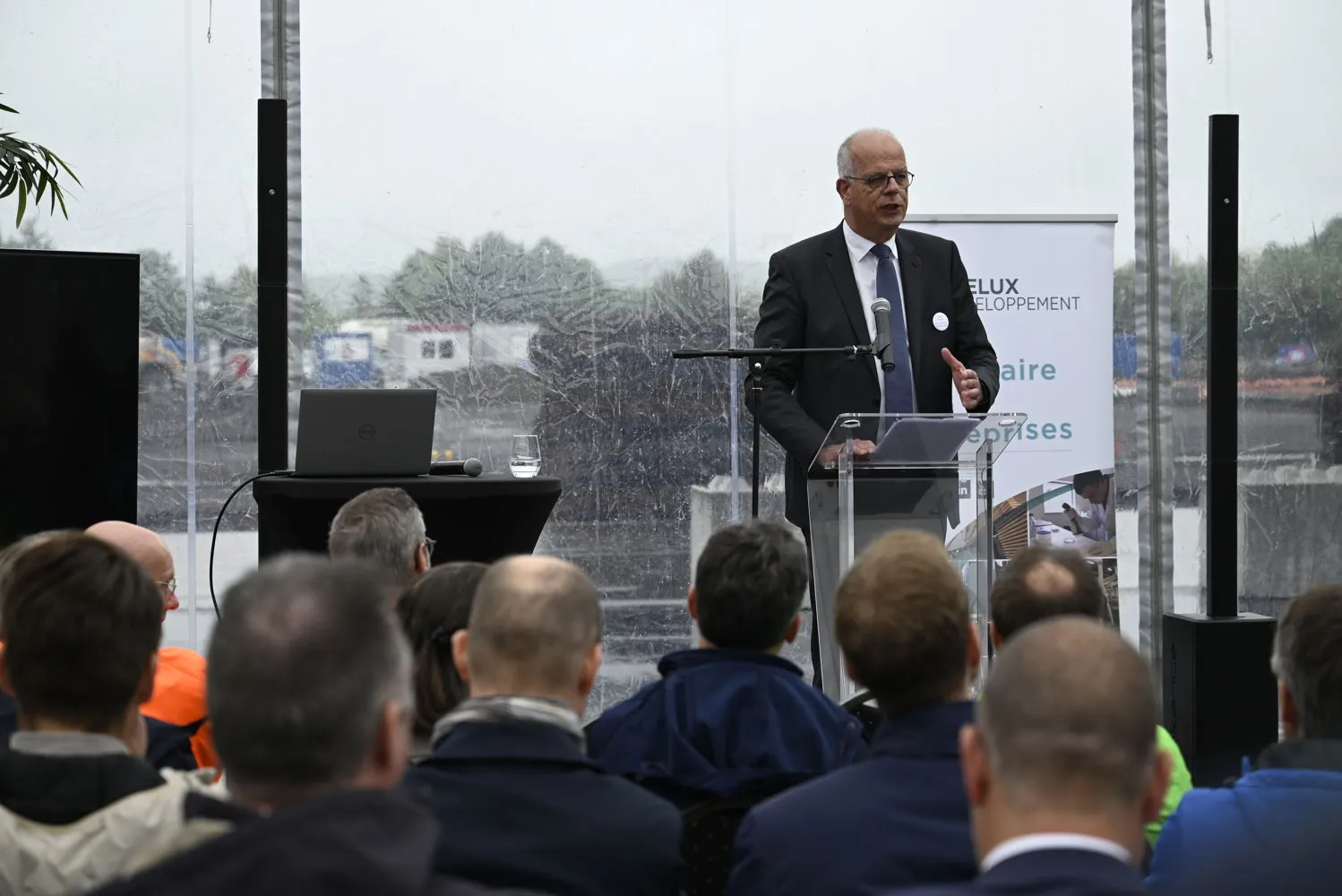
Elie Deblire, Chairman of IDELUX Développement, concludes: “This new recycling plant is an important project for the economic development of the province of Luxembourg. It will create 125 direct jobs (phases 1 and 2) and even more indirect jobs in a sector that is crucial to a sustainable future. We are therefore fully committed to setting aside part of our Ardenne Logistics business park for this new plant.”
How does PET recycling work?
The PET recycling process involves several steps.
- The bales are opened and sorted to remove any remaining contaminants.
- PET trays and bottles are ground into flakes, washed and dried.
- The PET flakes are separated from other materials (such as HDPE caps).
- Finally, they are converted back into raw material through a regranulation and post-condensation process, ready to be used to produce new packaging.
Question about this story? Ask your question
Keep following this
Get an email when a new story is published. No account needed.
- ThemeMaking plastics and packaging circular
- SubjectNews







