












‘More reuse requires better use of data’
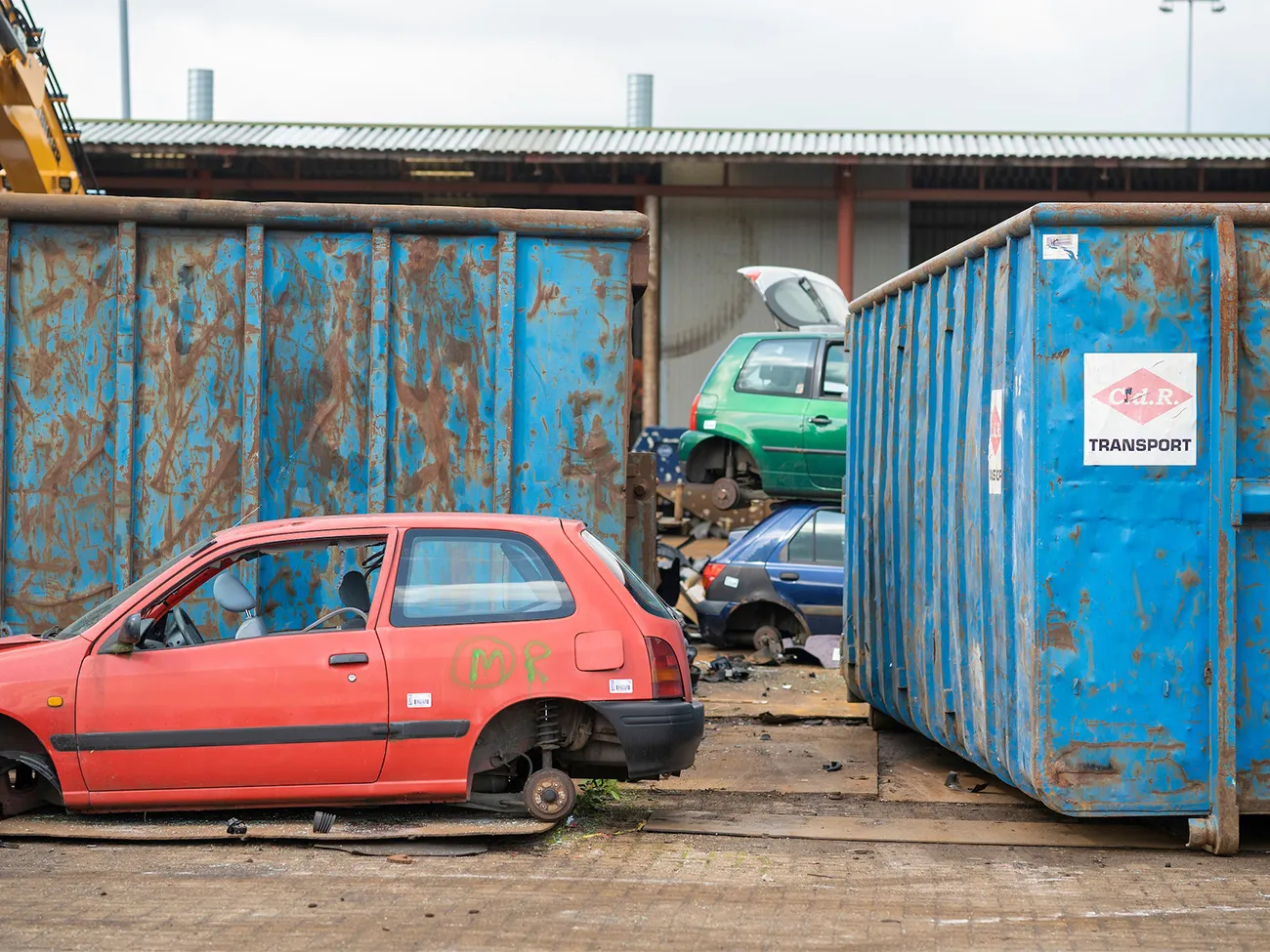
Although numbers are still modest at present, with no more than a few hundred a year at most, the number of electric vehicles ending up at dismantling companies is set to rise sharply in the coming years. Stiba, the trade association representing the interests of certified car, motorcycle, truck and related vehicle dismantling companies, is therefore working hard to prepare its members for this new era.
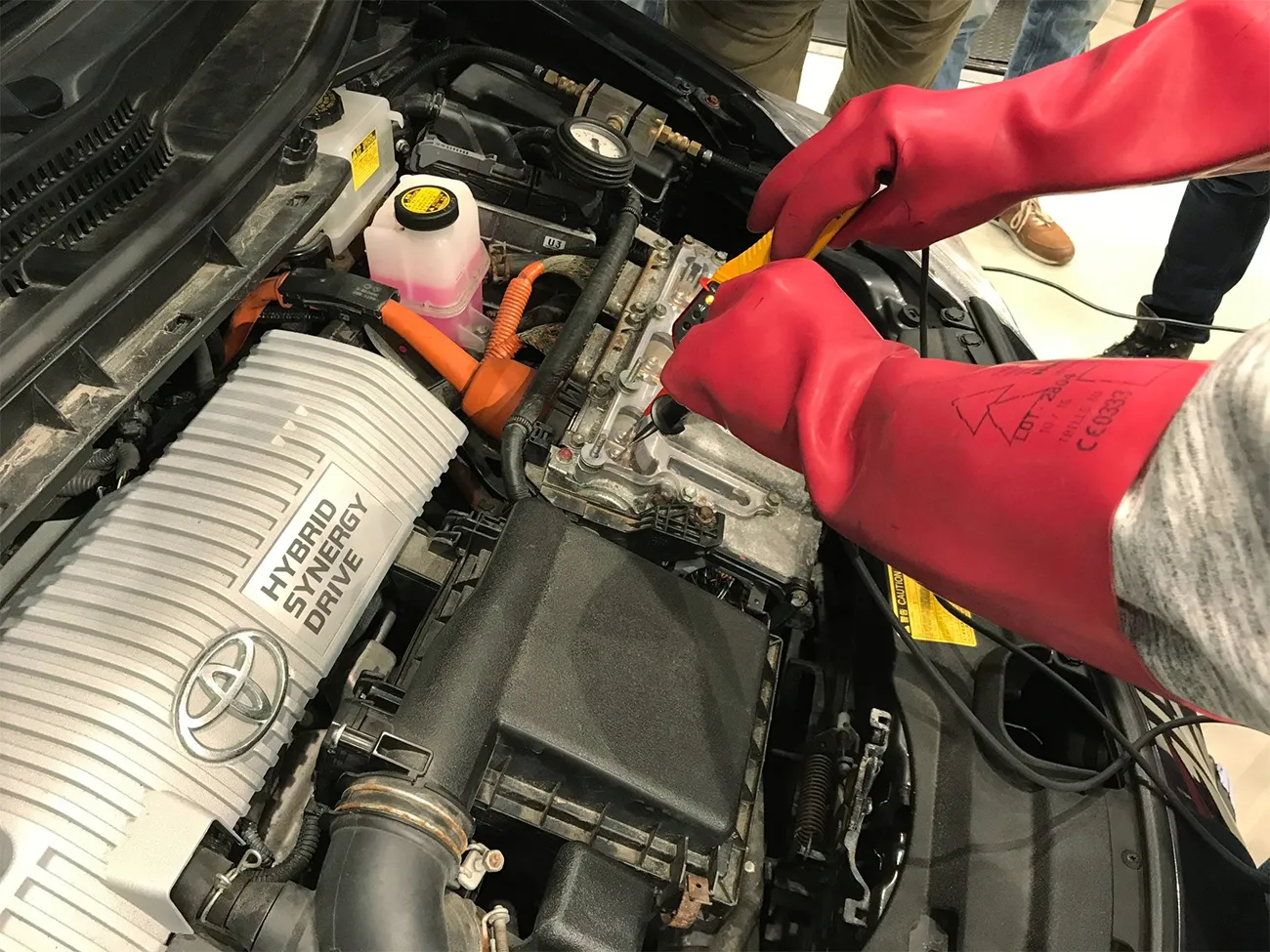
All Stiba member companies can train their staff to work with and on electric vehicles through courses and training programmes. “And a great many companies have already taken advantage of this,” says Stefan Cabri, Stiba’s general secretary. “Dismantling an electric vehicle is not hugely different from dismantling a car with an internal combustion engine. The main thing is knowing how to work on such a vehicle safely. The battery is live, so in theory it is a dangerous component. Our people need to learn how to safely de-energise it: to follow the right steps, have the right tools, use a suitable workplace and display the appropriate signage there. They also need to know how to store batteries correctly.”
Stiba members work to the NEN 9140 standard and hold their own KwaliteitsZorg Demontage certification. Cabri says: “This is a certified quality management system for the vehicle dismantling sector. The KZD standard sets out requirements for dismantling, occupational health and safety legislation, materials recycling and quality. The standard is not a legal requirement, but all companies affiliated with Stiba and ARN must comply with it. It gives customers assurance that the dismantling company operates in an environmentally friendly way, follows a national standard and makes vehicles available for recycling. KZD applies to all forms of vehicle dismantling.”
Reuse
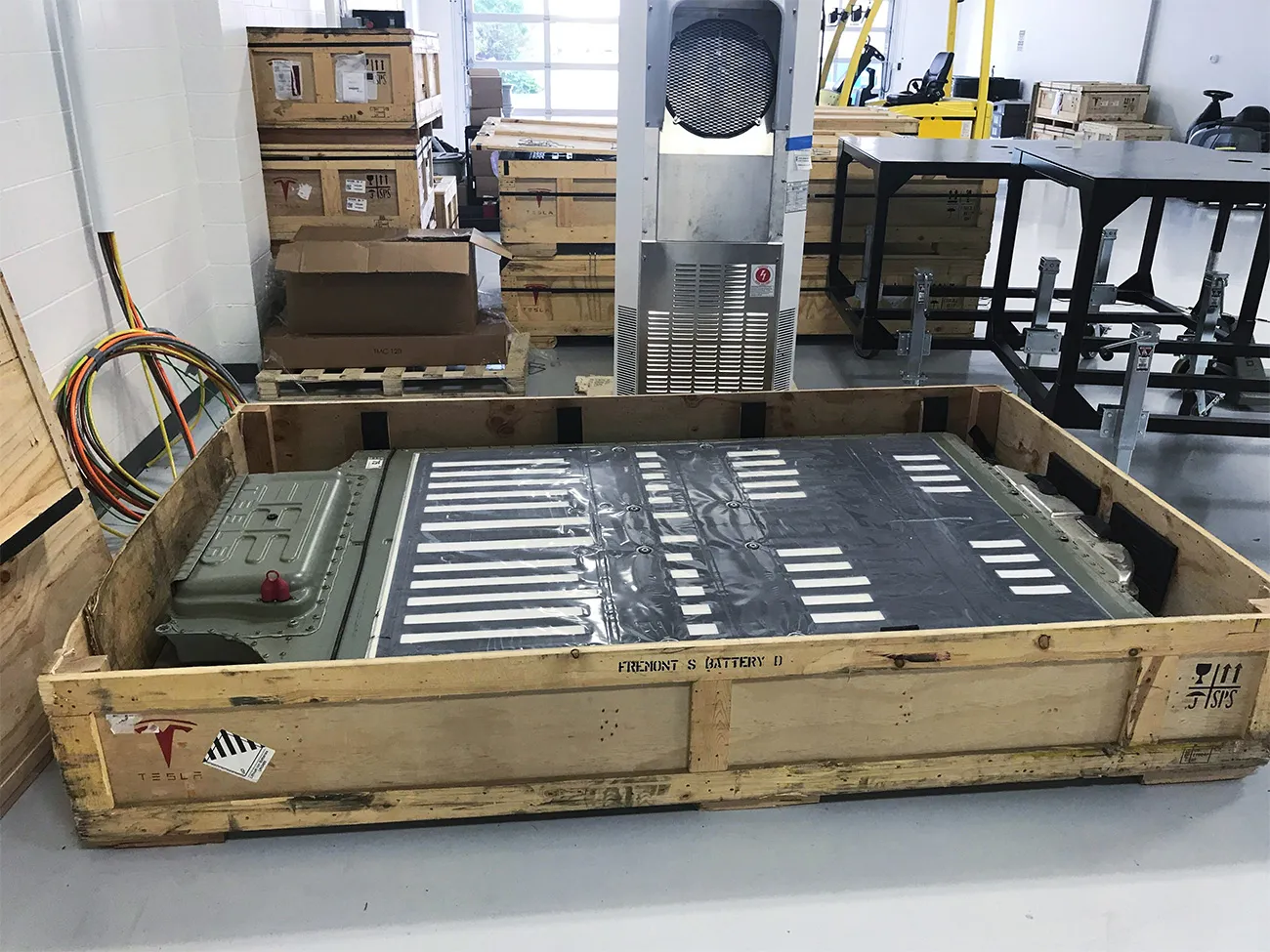
Battery reuse is also still in its infancy. “Developments are ongoing,” says Cabri. “We dismantling companies are at the end of the pipeline, so we are the last to be involved. Dismantling companies are already selling some used batteries, but there really aren’t many.”
According to Cabri, this is also because the rules are not yet sufficiently clear. “Not everything has been regulated yet, for example when it comes to storage. I expect legislation and regulations from Brussels soon, because the number of fully electric vehicles has been growing rapidly for the past few years. Legislation and regulations always lag behind a little. As a trade association, we are naturally trying to play a part in this, but we also need to gain experience.”
Over the past two years, Stiba has focused primarily on reusing original parts when they can be used to repair a car. Currently, 98 per cent of a car that has reached the end of its life is recycled. Of this, about 25 per cent consists of parts being reused. “That figure needs to rise considerably in the coming years,” says Cabri. “It is mainly about raising awareness, among both dismantling companies and consumers. That said, the Netherlands is already doing very well in terms of reuse. We already export a lot of parts abroad, for example.”
Cabri says the proportion of parts being reused can only be increased if data is put to better use. “Dismantling companies do not have enough manufacturer data. Once manufacturers make their part numbers much more widely available, we can promote reuse across a much broader market. After all, vehicle dismantling companies are at the start of the circular supply chain and will take on increasing responsibilities in this area.”
Question about this story? Ask your question
Keep following this
Get an email when a new story is published. No account needed.
- ThemeCircular business under changing regulations
- SubjectNews







