












Minimising maintenance costs with advanced wear protection
Text Kris VandekerckhoveImage Castolin Eutectic
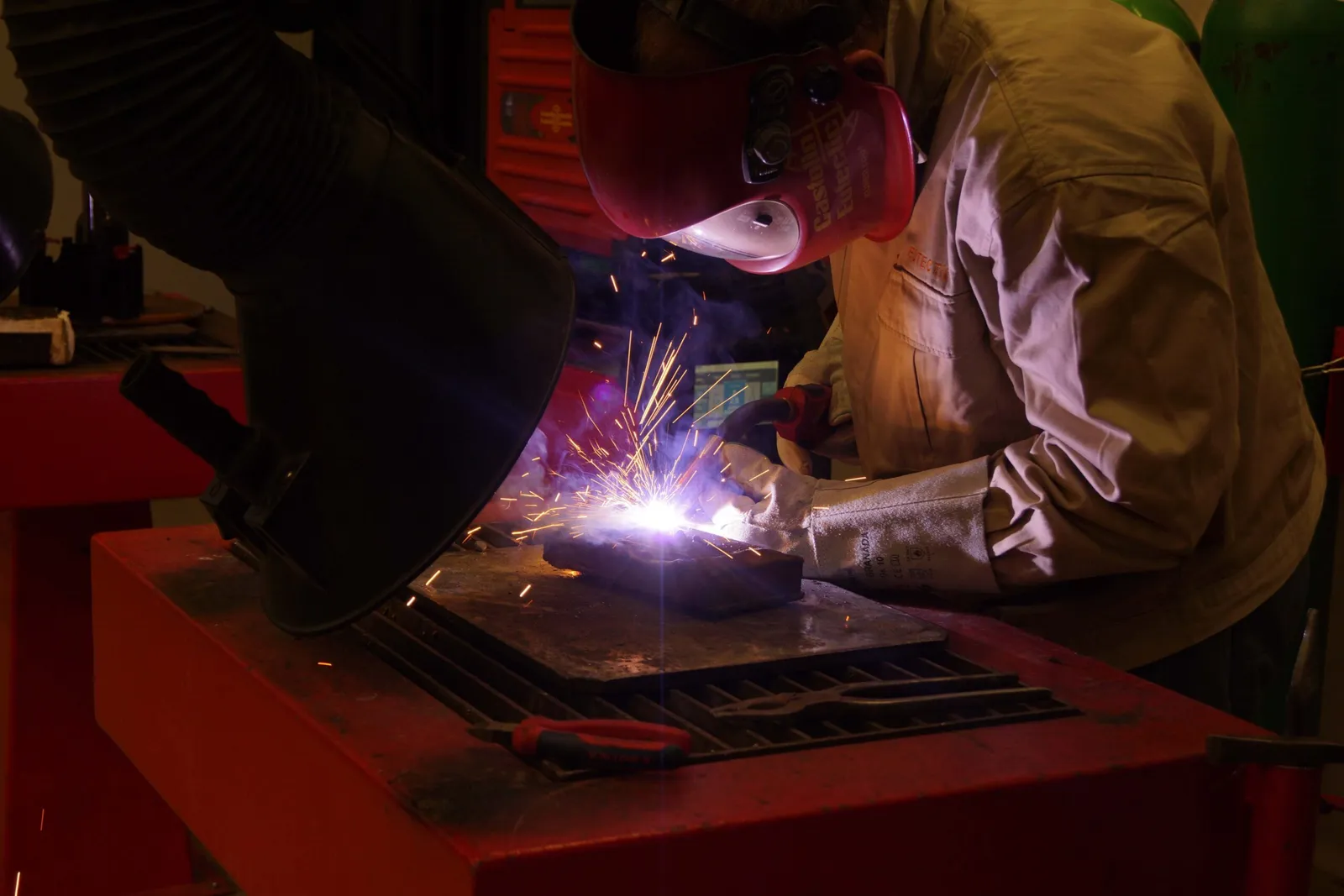
Founded in Switzerland more than a century ago, Castolin Eutectic has become a leading player in maintenance, surface protection and special joining technologies, using welding, brazing and coating. These technologies are crucial to tackling wear problems in heavy-duty and wear-intensive industries such as waste and recycling, steel and cement.
The company recently introduced EnDOtec® DO6070N welding wire. Launched from its factory in Dublin, Ireland, the new product marks a significant advance in combating wear at extreme temperatures, as well as erosion and corrosion. EnDOtec® DO6070N has been specifically developed to give components such as sinter breakers in the steel industry and furnace feed screws at waste-to-energy plants a considerably longer service life. With a metallurgical microstructure that offers optimum resistance to wear and heat, the alloy retains its properties at temperatures of up to 800 °C, even under demanding conditions.
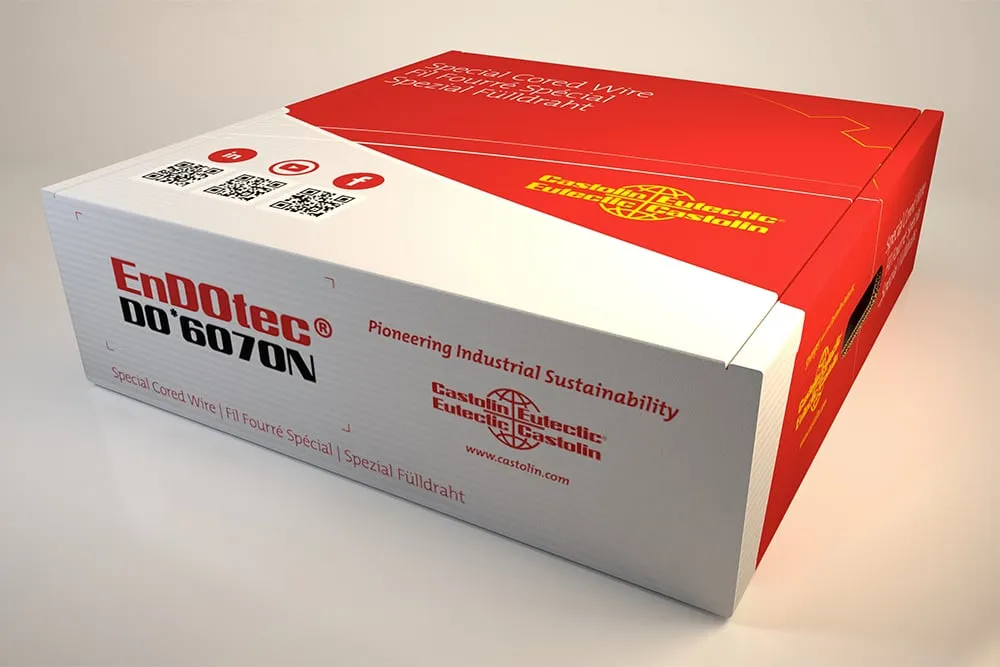
6070N alloy available as welding wire
By making EnDOtec® DO6070N available as welding wire, Castolin Eutectic opens up new possibilities for using the alloy in robotic welding, which can significantly improve the efficiency and productivity of wear-prone operations. This underlines the company’s core mission: to extend the service life of industrial components and reduce maintenance costs, while also contributing to more sustainable industrial practices by giving parts a second life and minimising the need for replacements.
High-performance welding without chromium or nickel
This year, Castolin Eutectic launched EnDOtec® Safe-Hard 700. This advanced, gas-shielded metal-cored wire is ideal for both mass production and maintenance and repair work requiring the highest standards of weld quality, efficiency and productivity. The wire stands out because it contains no chromium or nickel, improving safety for welders and reducing welding fume emissions. It offers remarkable resistance to impact and abrasion, and retains its mechanical strength even at high temperatures (57 HRC at 600 °C; 41 HRC at 700 °C). It also stands out for its minimal CO2 footprint, less than half that of conventional Cr- and Ni-based alloys.
Question about this story? Ask your question
Keep following this
Get an email when a new story is published. No account needed.
- ThemeRecovering metals and creating value
- SubjectNews







