












Maximising the value recovered from organic residual streams
Text Valérie CouplezImage Orinso
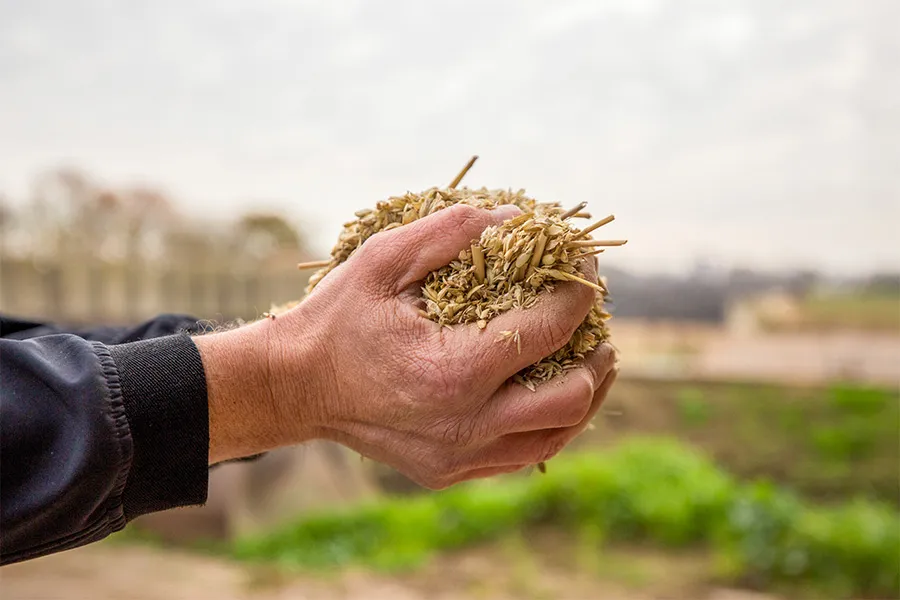
Food businesses often have to deal with mountains of organic waste generated by their various production processes. Orinso aims to match this as effectively as possible with capacity at anaerobic digestion plants in Belgium and abroad. It acts as a matchmaker, a role that suits the Orinso team down to the ground.
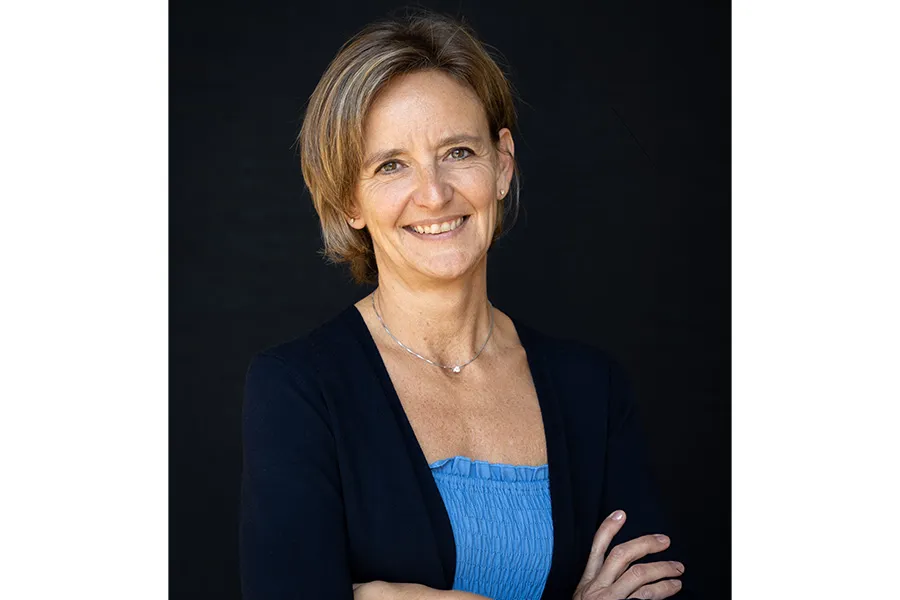
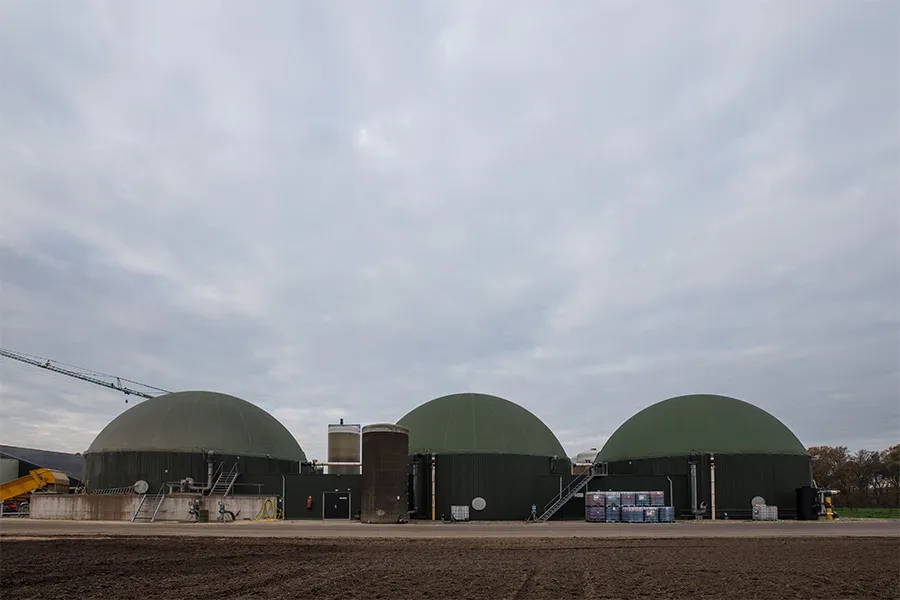
Orinso handles non-hazardous organic residual streams. What began as a purely logistical operation has now developed into a fully-fledged business in which the company acts as a matchmaker, handling 350,000 tonnes a year. It brings together the producers of these residual streams and the companies that can process them. “Our mission is to achieve the best possible recovery of value from organic residues,” says product manager Charlotte Van Rumst. Orinso’s strength lies in the network it has built up over many years of experience. “We aim to build long-term partnerships so that we know what residual streams will become available. It is not just a matter of the food business wanting to get rid of its waste. The equation has to work at the other end too, so that digesters receive the right feedstock in the best possible way.”
A natural fit as an intermediary
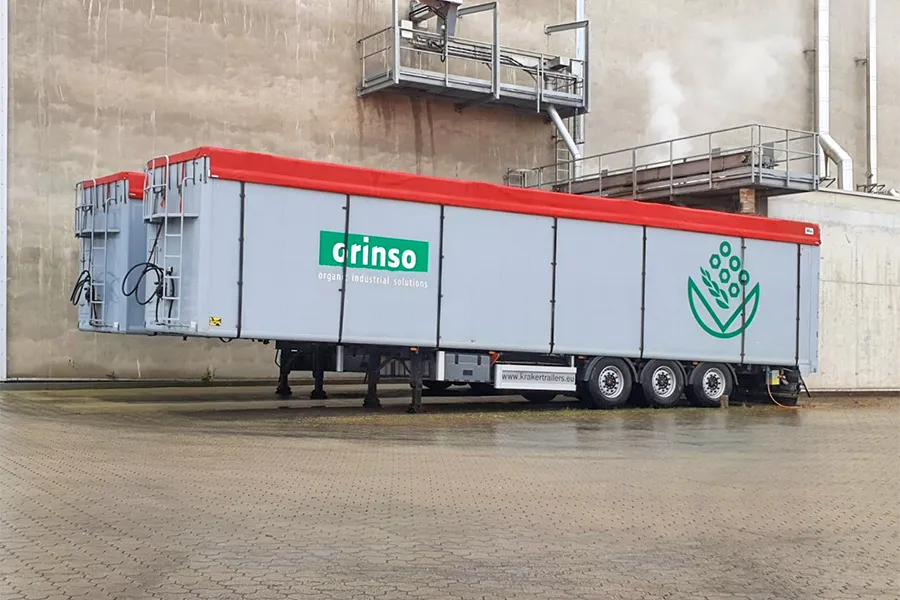
Van Rumst believes an intermediary such as Orinso will continue to play an important role in the years ahead. “For producers themselves, the regulations governing waste transport are particularly complex. We can take care of all the paperwork, allowing them to focus on production. Our logistical capacity is an asset for digesters, on the other hand. They do not have enough staff on the road to move those volumes efficiently. You also need to try to avoid empty miles as much as possible.” Orinso’s international presence is another advantage when it comes to matchmaking. “We have offices in the Netherlands, France and Germany. Onion skins, for example, are in demand at French anaerobic digestion plants,” says Van Rumst.
First aid in an emergency
The aim, then, is always to find and provide solutions. That is how Orinso seeks to make a difference in this market. “When an incident occurs in production, you have to be able to act quickly. Can the rejected batch still be used for animal feed? Or do we need to look for another solution? Who is available to handle the unpacking? These are the moments when our network and the long-term relationships we have built up over the years pay off. But you have to know your people and know who can accept which load. Every anaerobic digestion plant has its own very specific menu. You need to respond to that as effectively as possible,” Van Rumst explains. “But it often takes some balancing of supply and demand to find the best possible solution and recovery of value for everyone. Transparency is therefore key to working together. We have nothing to hide. Everything is done openly.”
Making the right assessment
For every batch, Orinso takes three factors into account: distance, demand or scarcity, and the calorific value of the load. “We have only limited storage capacity of our own, so the priority is always to find a good solution quickly. A factory has to keep running, after all. We cannot leave the waste sitting there.” Political decisions and differing rules across Europe can also make the environment in which Orinso operates complex. Nevertheless, Van Rumst and Orinso remain positive about the future. “Scarcity also means that companies are actively looking for alternative raw materials to develop innovative, sustainable new applications. That means no two days here are ever the same. You really are helping to give waste a new lease of life and make the world more ecological and better. What could be better than that?
Question about this story? Ask your question
Keep following this
Get an email when a new story is published. No account needed.
- SubjectNews







