












Making the world waste-free
Text Valérie CouplezImage Milgro / Shutterstock
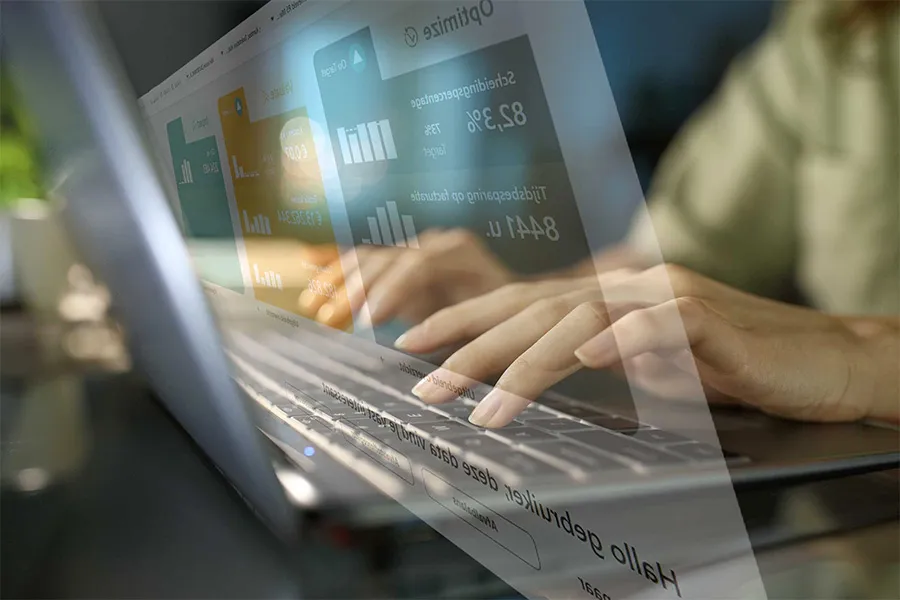
Europe aims to be fully carbon-neutral by 2050. But we will not get there unless we use our waste again as raw materials and avoid all the emissions associated with virgin materials. Our sector must therefore keep doing what it does, while also embracing new concepts to make this radical transition possible for all products. In this section, we are pleased to introduce companies, technologies and people who have already embarked on this journey. Milgro gets the ball rolling.
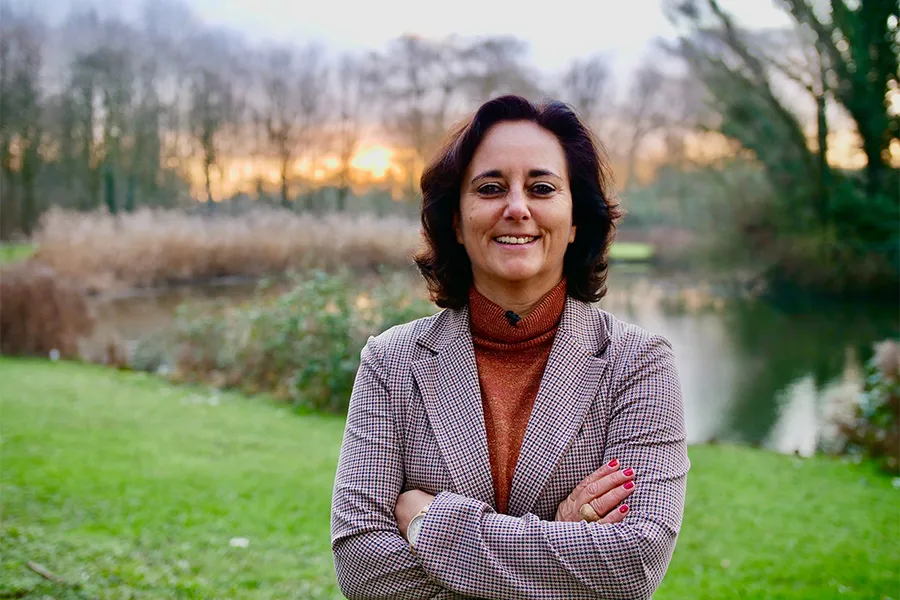
“Just don’t put me on the rubbish truck.” When Pascale Hendrickx joined Van Gansewinkel in 2010, she had no idea how much she would get bitten by the bug. Since then, she has been inseparable from the world of waste processing and recycling. “It is such a fascinating world, with no one-size-fits-all solutions, where every day you work together to do even better than before.” Today, she is drawing on all her experience to put Milgro on the map in Belgium, alongside her team. A new name arriving from the Netherlands, Milgro is the brainchild of Laurens Groen, who has more than 30 years’ experience in the waste market. He, and by extension everyone at Milgro, take a radically different view of waste. “We would rather see it disappear from the world altogether. Laurens has ensured that all Milgro colleagues have a different view of waste in their DNA,” says Hendrickx.
Building bridges
So much for the business model, then? “Not at all. We are not a processor or a transport company, so we do not make our living from waste and are not competing with the established names in the market. We are trying to build bridges between companies and waste processors. In fact, our biggest competitor is the customer itself. After all, it can do what we do. But with our methodology, expertise and network of more than 500 partners, we aim to take the operational burden off our customers’ shoulders and give them more control over their waste,” Hendrickx explains. “Because waste is really just a raw material that has lost its way.”
Three steps to greater control over waste
Milgro does this in three steps. It all starts with a baseline assessment. “To find out where waste is produced, exactly what kind of waste it is, in what volumes, and what happens to it. This process takes four to six months. Without that knowledge, it is difficult to start thinking about where there are opportunities to reduce the waste of raw materials. That is step two.” And step three? “The more waste we can separate, the greater the benefits. Our starting point is to valorise waste to the highest possible standard, so that we can close loops. It is an ongoing process, because what is waste today may be seen as a raw material by another company tomorrow. That is why we keep scanning the market for ways to optimise.”
Full support, complete transparency
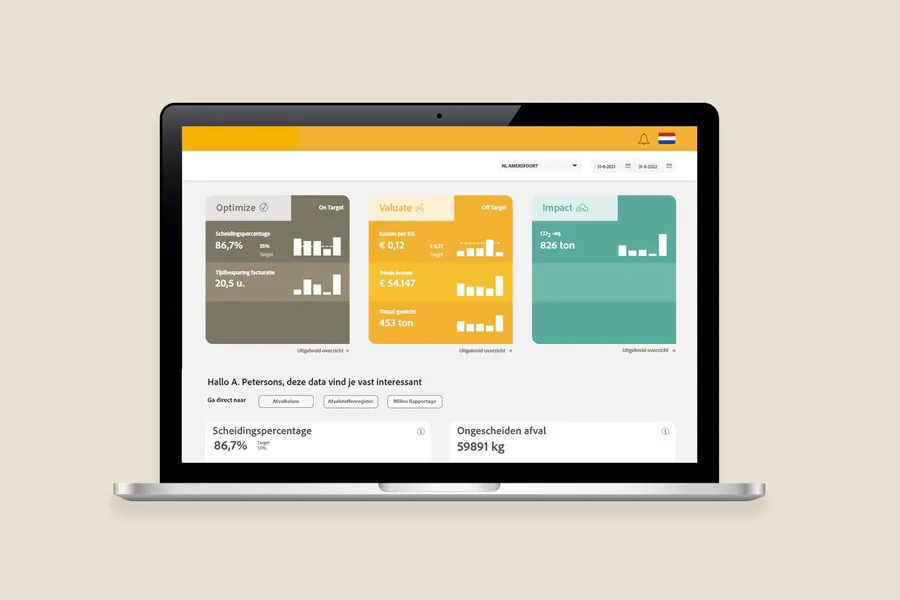
However, extracting insights from all this data is no easy task, let alone monitoring it. Milgro therefore turns all this data into a CO2 dashboard, which each customer can access through their own portal. The web platform clearly shows both their costs and their environmental performance. “We look at the total cost of waste, taking into account factors such as energy demand, internal logistics and the number of employees involved. What does each solution cost in euros, and what potential CO2 savings does it deliver? By providing customers with data, we enable them to decide for themselves which solution is best for their business. They can also prepare their complete waste register at the touch of a button. Full support, complete transparency: that is how we want to help make the world waste-free,” Hendrickx concludes.
Question about this story? Ask your question
Keep following this
Get an email when a new story is published. No account needed.
- SubjectNews







