












Maintenance-free liquid-tight surface
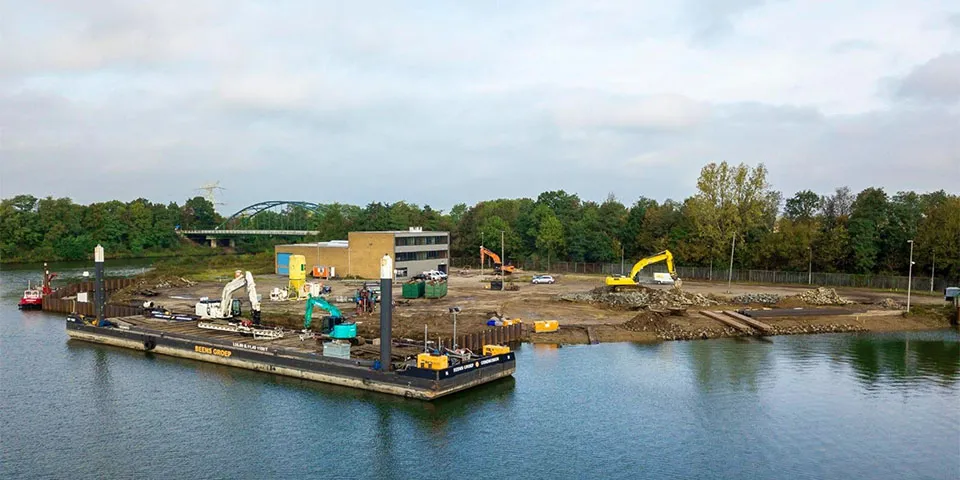
Mineral sub-base means damage to the yard has no consequences
For many recycling companies, maintaining the liquid-tightness of the yard surface is a recurring annual expense. Heavy machinery, coarse materials and a subgrade with poor bearing capacity mean that a liquid-tight surface does not always remain liquid-tight for long. RvB Groep, based in Harderwijk, says it has the solution.
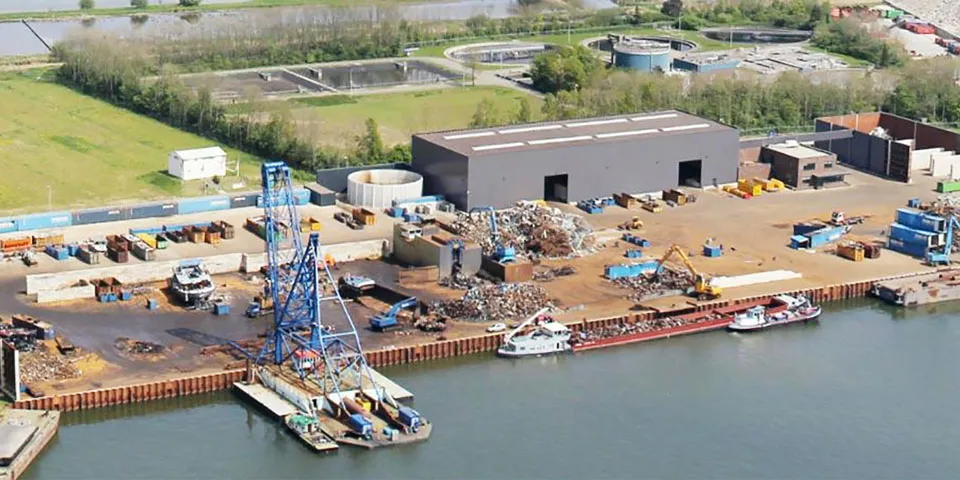
Yard surface at Hoeben metalen in Kampen.
RvB Groep has specialised in installing liquid-tight surfaces at recycling companies and other sites for more than 25 years. The Harderwijk-based company has designed and built liquid-tight surfaces for various tank terminals and recycling companies. Not only are these surfaces still liquid-tight, they have also required no maintenance for years. Drawing on its knowledge and experience in building site foundations designed for heavy loads, RvB Groep’s engineers often encountered the drawbacks of conventional liquid-tight surfaces. Surfaces were quickly damaged or worn through by vehicles. Their solution was to develop a new system that functions as a liquid-tight surface but is 100% maintenance-free. The system acts as a bottom seal beneath the site. Before construction begins, a mineral seal certified by an independent testing body is installed.
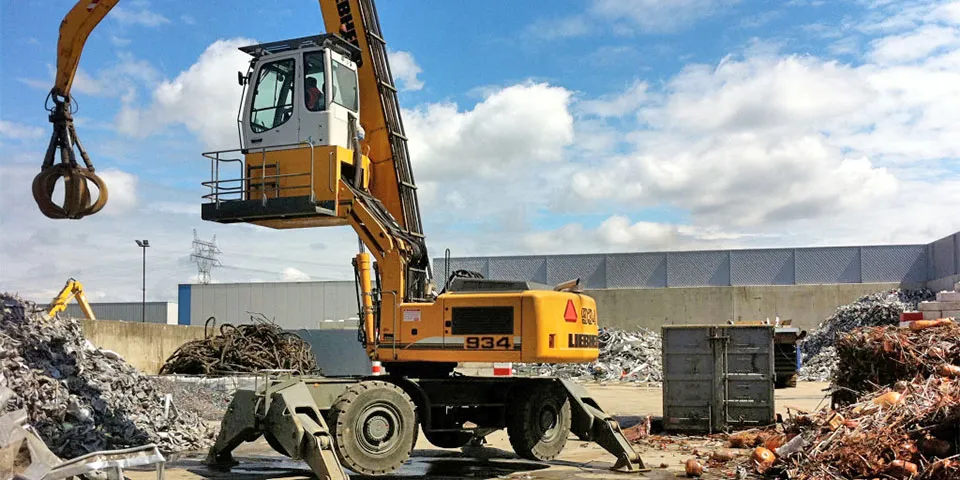
And at Reukema Blocq en Maneschijn in Harderwijk.
A rigid slab foundation is laid over this bottom seal and can be surfaced with the most effective type of site paving. This construction offers a certified, maintenance-free liquid-tight solution, with the choice of surface finish. Surface damage no longer affects the maintenance budget or day-to-day operations.
Because the liquid-tight function lies beneath the site, damage caused by grabs, scraping, cracking or loading and unloading containers has no effect on its liquid-tight service life. The yard remains liquid-tight for decades, unlike concrete or asphalt surfaces where damage or cracks can compromise liquid-tightness. However, modifications to the site are easier and cheaper, and the surface is inspected again every six years.
Question about this story? Ask your question
Keep following this
Get an email when a new story is published. No account needed.
- SubjectNews







