












Maintenance-free liquid-tight surface
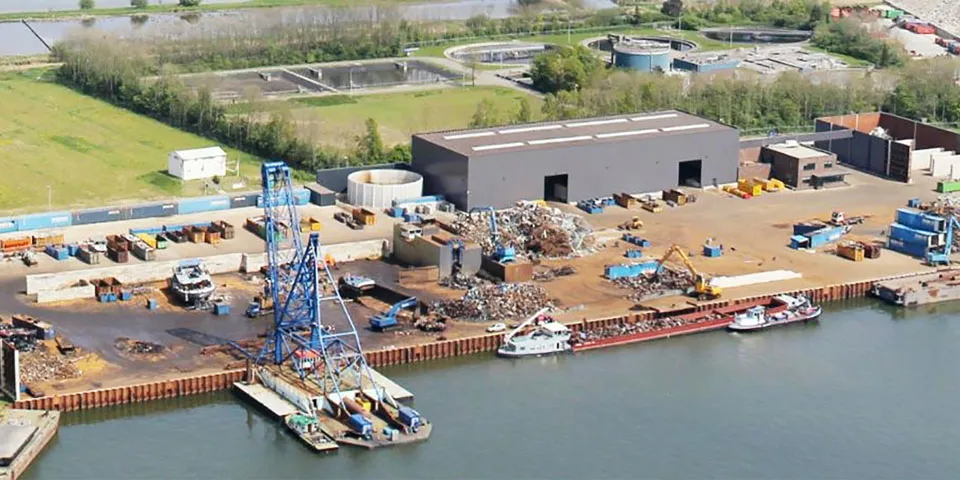
Mineral sub-base means damage to the yard has no consequences
At many recycling companies, maintenance to ensure the yard surface remains liquid-tight is an annual expense. Heavy machinery, coarse materials and a subgrade with poor load-bearing capacity mean that a liquid-tight surface does not always stay that way for long. RvB Groep from Harderwijk says it has the solution.
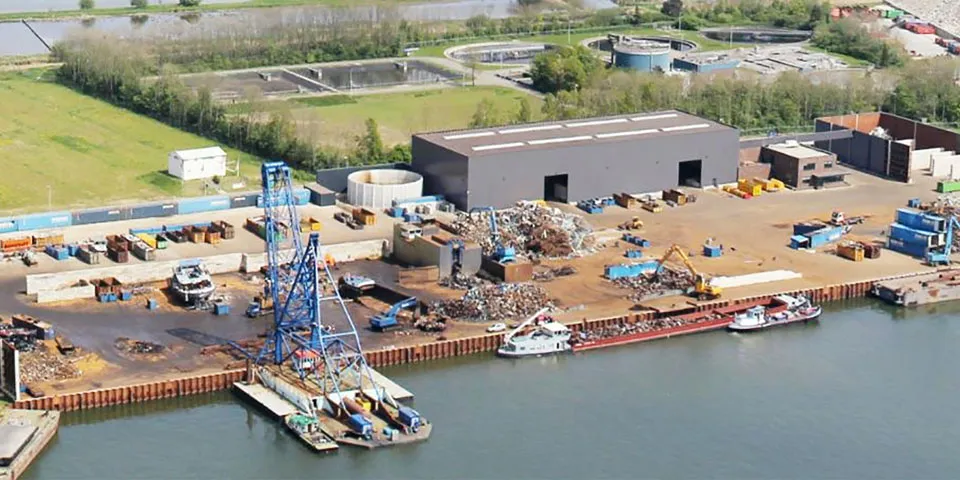
Yard surface at Hoeben metalen in Kampen.
Installing liquid-tight surfaces at recycling companies and other sites has been one of RvB Groep’s specialisms for more than 25 years. The Harderwijk-based company has designed and built liquid-tight surfaces for various tank terminals and recycling companies. Not only are these surfaces still liquid-tight, they have also required no maintenance for years. Drawing on its knowledge and experience in building site foundations designed for high loads, RvB Groep’s engineers often encountered the drawbacks of traditional liquid-tight surfaces. They were quickly damaged or broken up by vehicles. To address this, they devised a new system that functions as a liquid-tight surface but is 100% maintenance-free. The system acts as a secondary liner beneath the site. Before construction begins, a mineral sealing layer certified by an independent inspection body is installed.
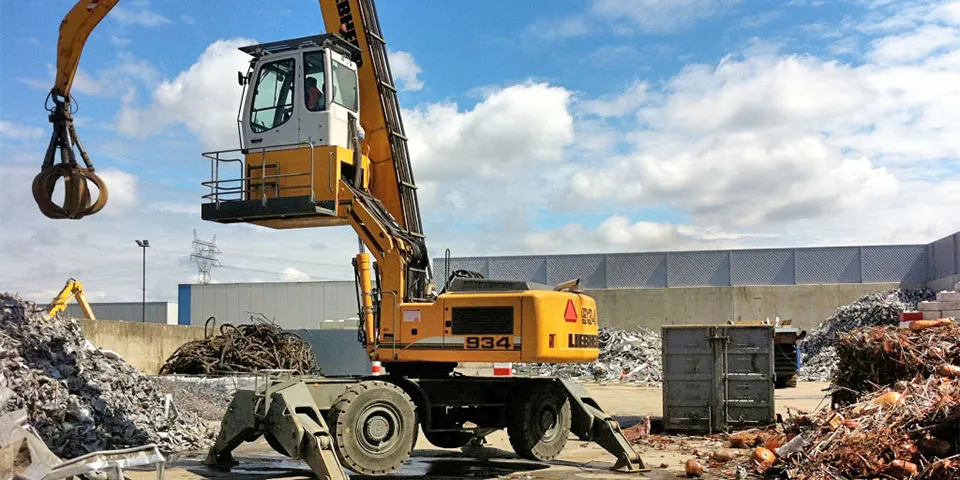
And at Reukema Blocq en Maneschijn in Harderwijk.
A rigid slab foundation is laid over this secondary liner, and the surface can be finished with the most effective type of paving for the site. The advantage of this construction is a certified, maintenance-free liquid-tight solution with a choice of surface finish. Damage to the surface no longer affects the maintenance budget or day-to-day operations.
Because the liquid-tight function lies beneath the site, damage caused by grabs, scraping, cracks or the loading and unloading of containers does not affect the surface’s liquid-tight service life. The yard remains liquid-tight for decades, unlike concrete or asphalt surfaces where damage or cracks can compromise their performance. However, modifications to the site are easier and cheaper, and the surface is inspected again every six years.
Question about this story? Ask your question
Keep following this
Get an email when a new story is published. No account needed.
- SubjectNews







