












Looking back at 30 years of redeveloping contaminated sites.
Text Els Goethals -Image OVAM
Documentary ‘Old ground, new opportunities’ premieres.
At the festive premiere on 12 June 2025, OVAM looked back at 30 years of the Flemish Soil Decree. The documentary ‘Old ground, new opportunities’ reveals the potential of sites that were once contaminated. But the Public Waste Agency of Flanders is not only looking back at successful projects, it is also looking ahead to the future.
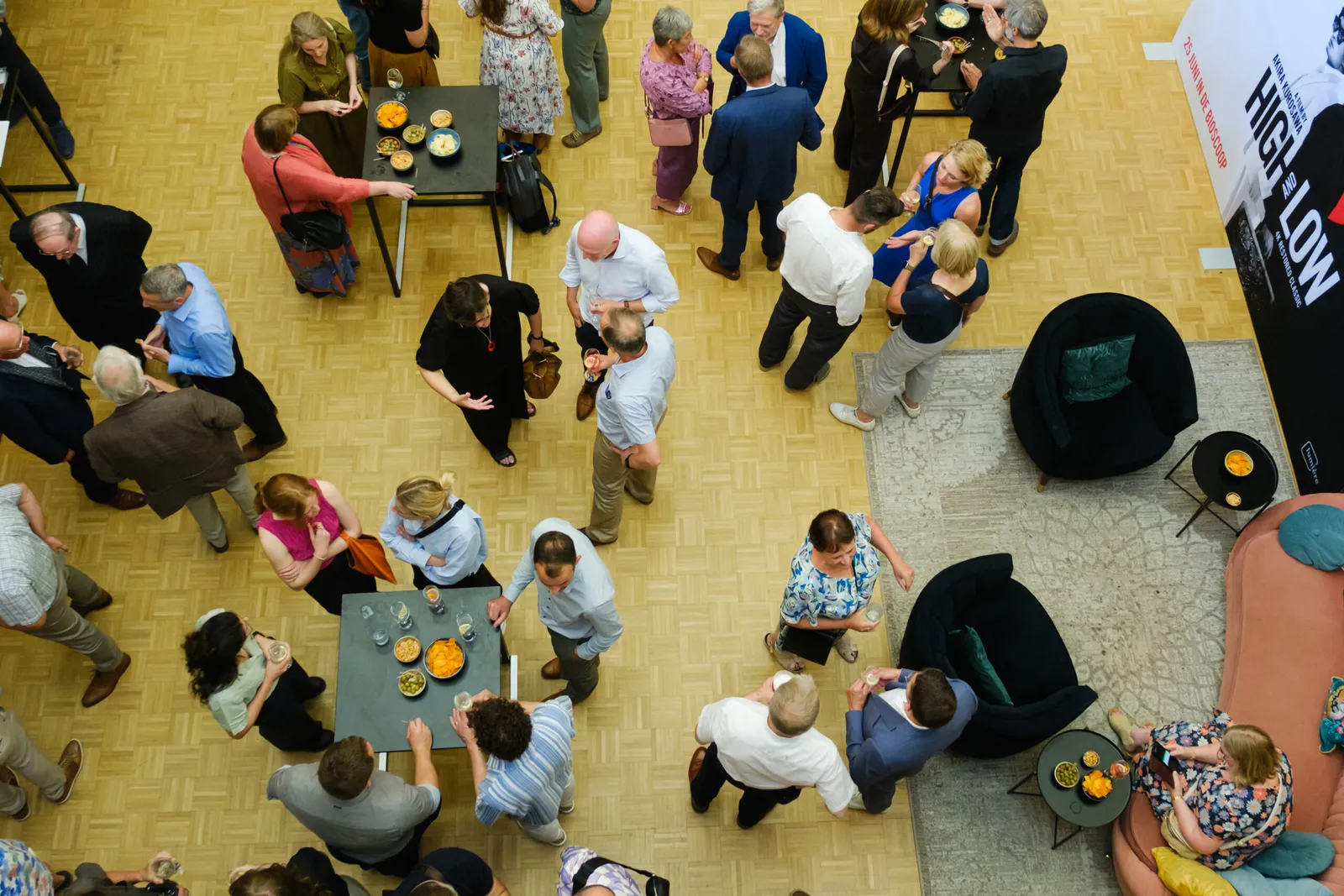
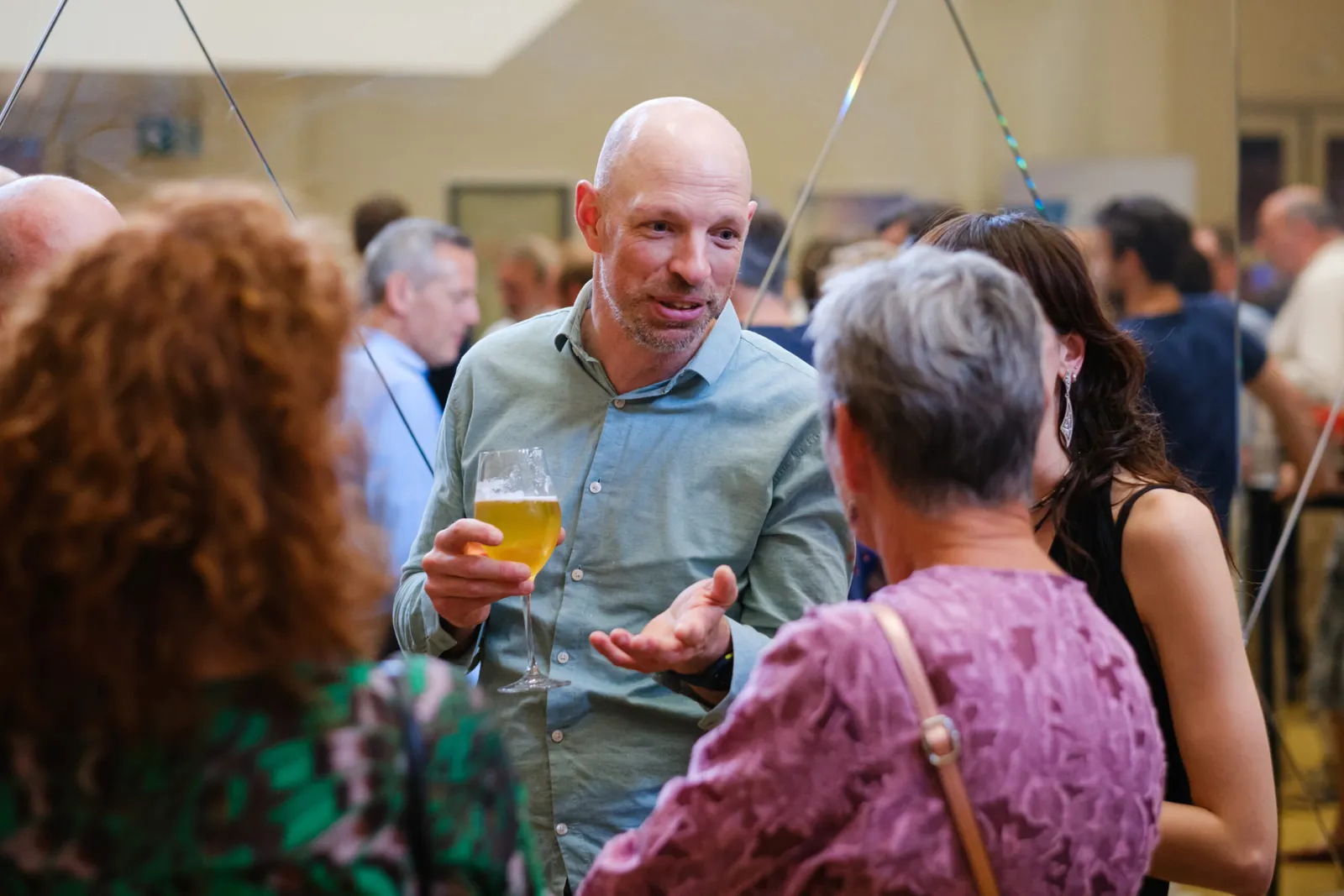
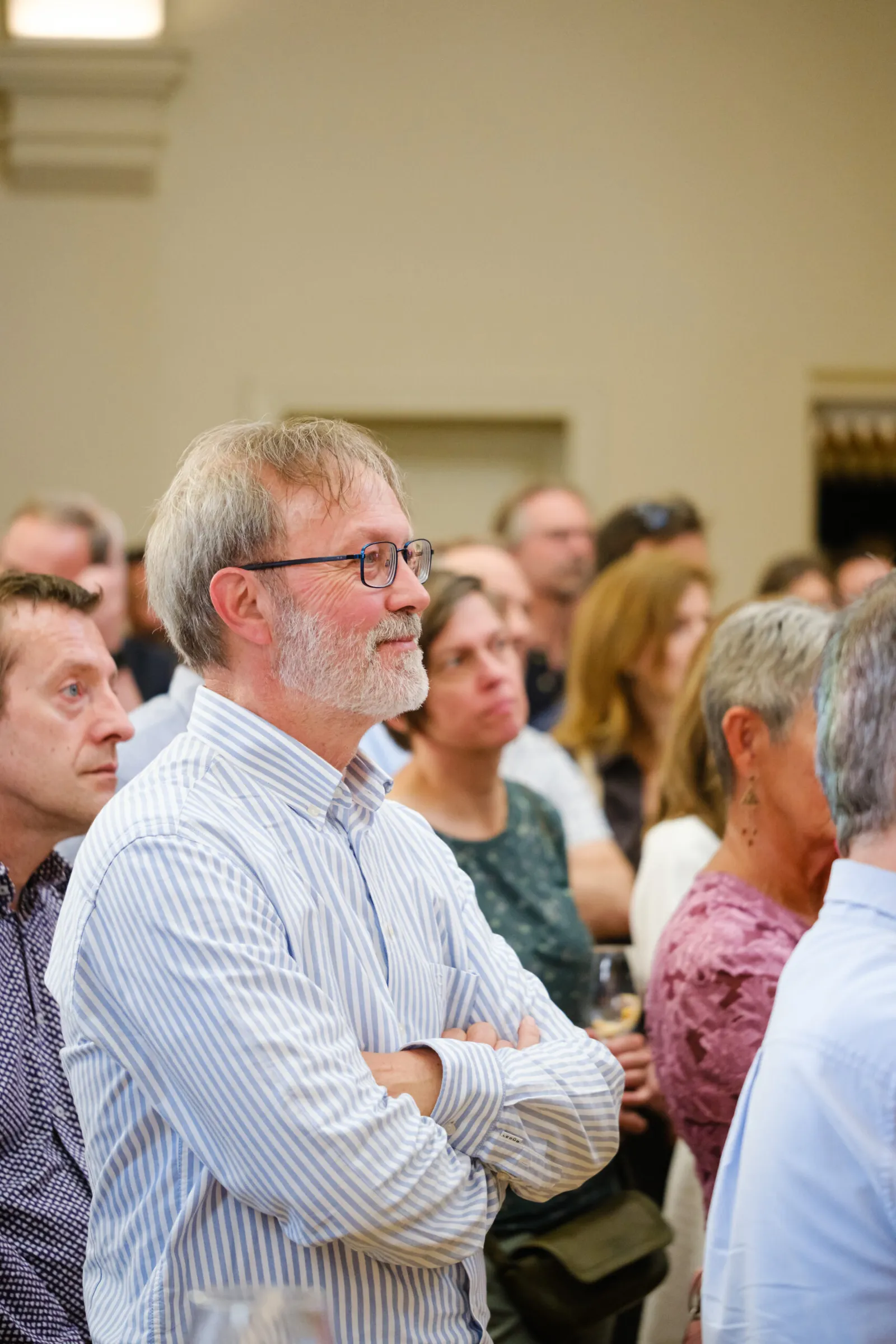
To put 30 years of the Flemish Soil Decree in the spotlight, OVAM opted not for a conventional format, but for an engaging documentary. More than 100 dignitaries, professionals and stakeholders gathered at Cinema Lumière in Mechelen. The programme? A virtual journey through a range of pioneering projects: from closed coal mines, old arsenic and gasworks, disused petroleum ports and abandoned industrial sites, across all five Flemish provinces.
From soil remediation to soil care
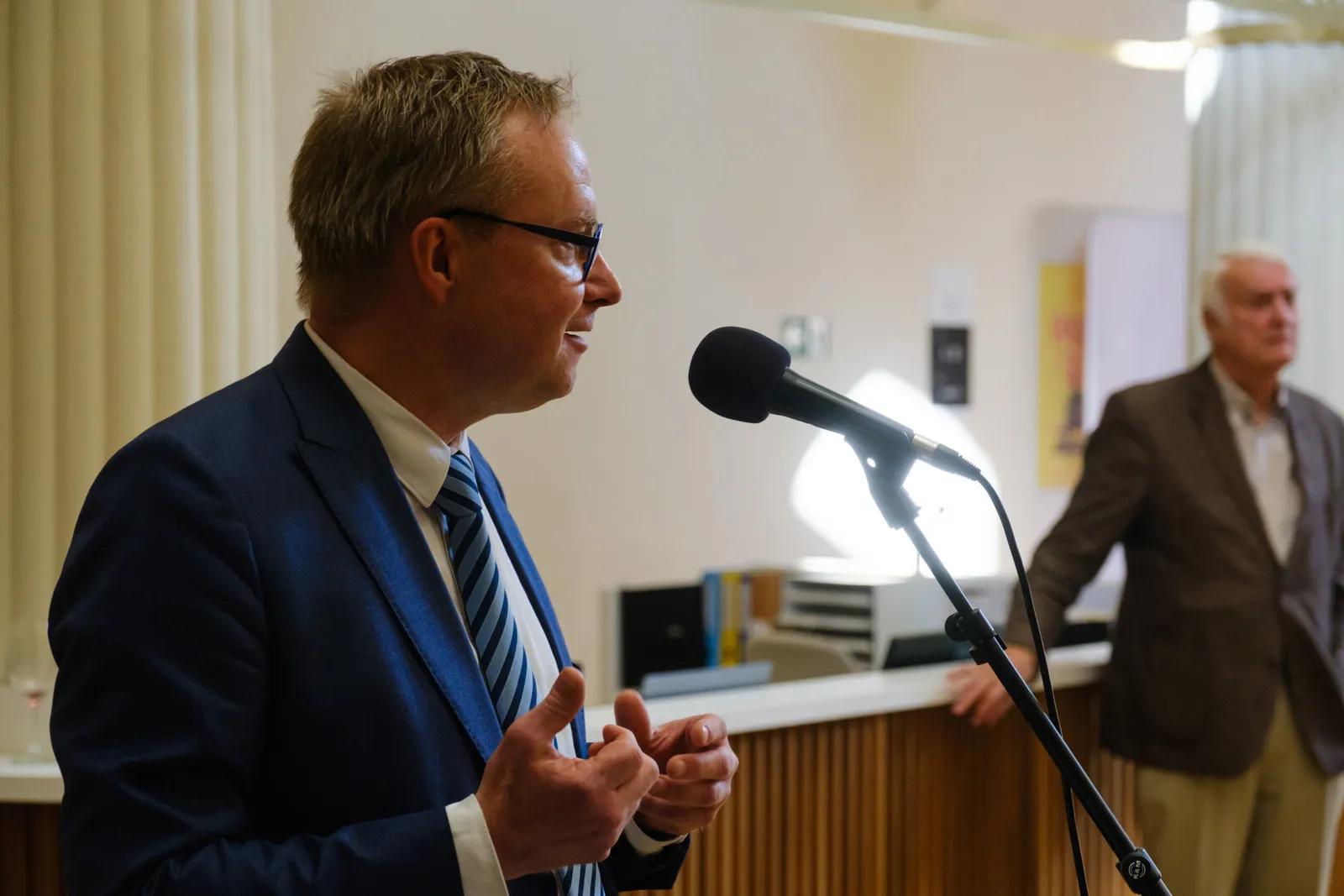
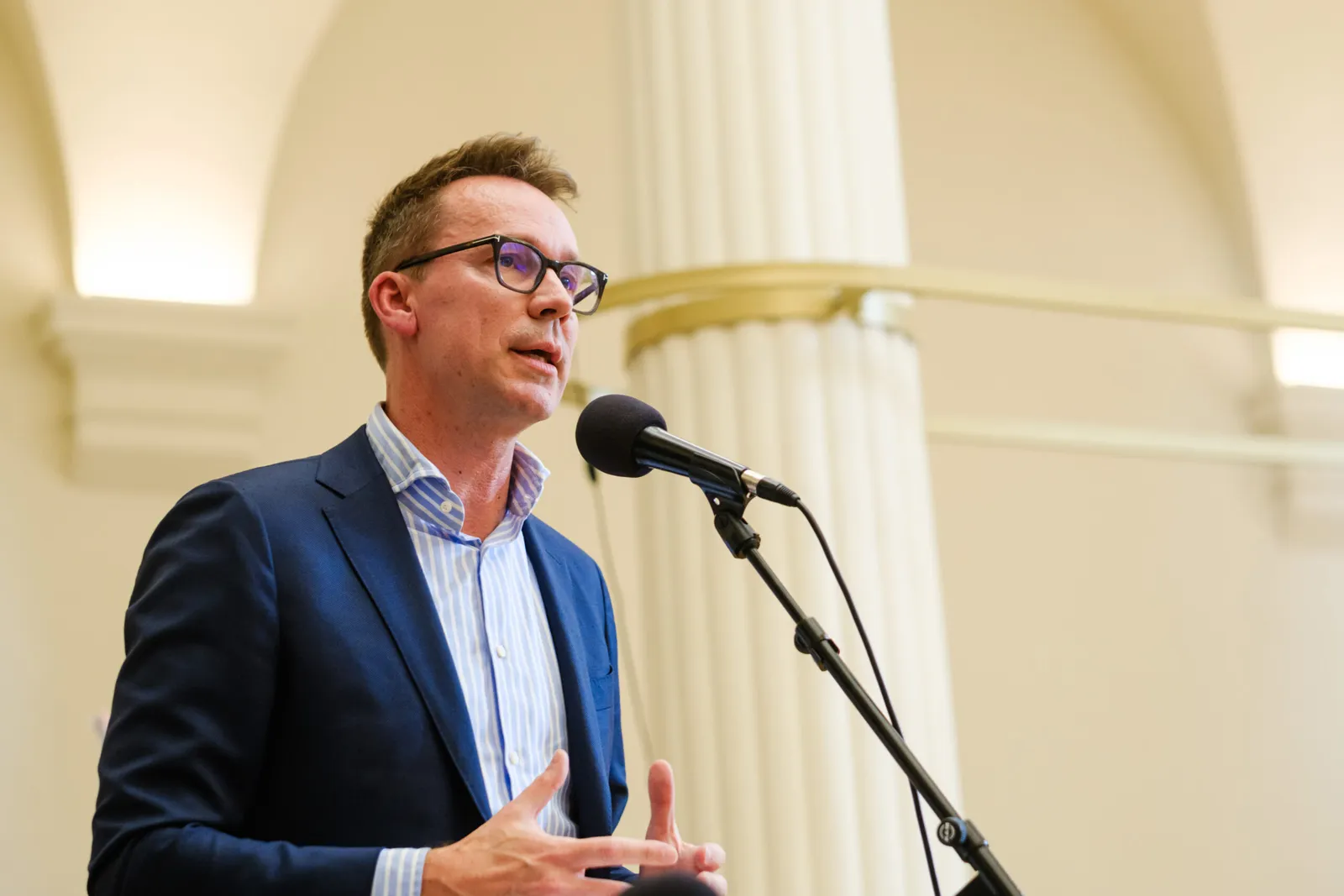
To kick off the evening, Flemish Minister for the Environment Jo Brouns took the floor: “In a densely populated region such as Flanders, where space is scarce, it is essential to manage land intelligently and carefully. OVAM is committed not only to soil investigation and remediation, but also to redevelopment. This is a complex but necessary approach to safeguarding a healthy quality of life for future generations. Thirty years ago, the Flemish Soil Remediation Decree already provided for the necessary strategic approach, making it well ahead of its time. The figures bear this out: Flanders has 85,000 sites at risk, of which 51,000 have been investigated. Our ambition for the future is also to redevelop contaminated land and former industrial sites in a circular and sustainable way.”
From landfill sites to the Soil Decree
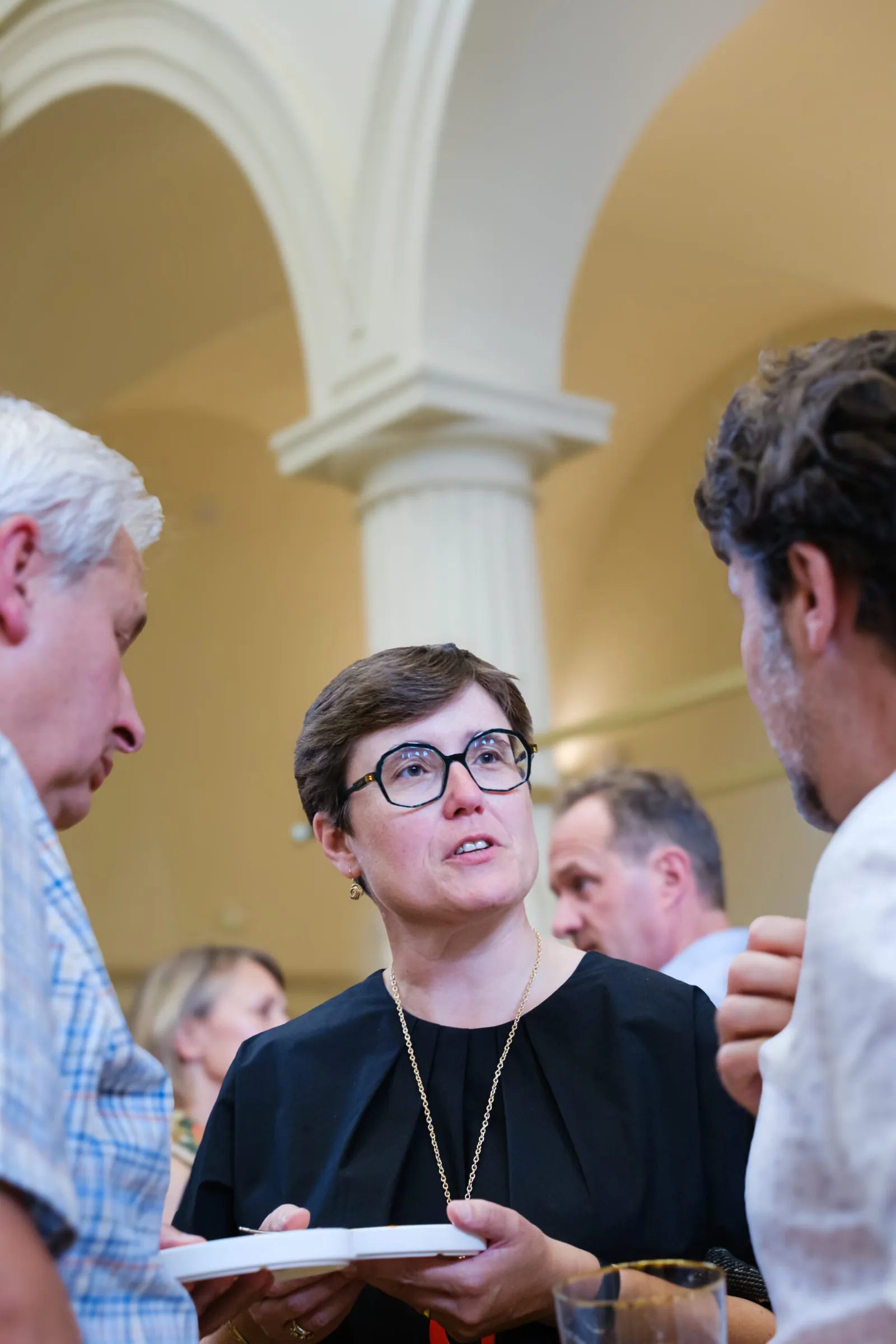
OVAM was established in 1981. The agency became responsible for waste policy in Flanders and was tasked with overseeing the Waste Decree, and later the Soil Decree as well. Today, Administrator-General Werner Annaert also stresses the importance of good soil quality. “Healthy soil stores a lot of CO2, can buffer against flooding or water shortages, ensures food security and contributes to greater biodiversity.” He also thanked all the partners: “Strong partnerships were indispensable to the development and implementation of the brownfield projects.” Annaert is referring here to old industrial sites that are being given a new lease of life.
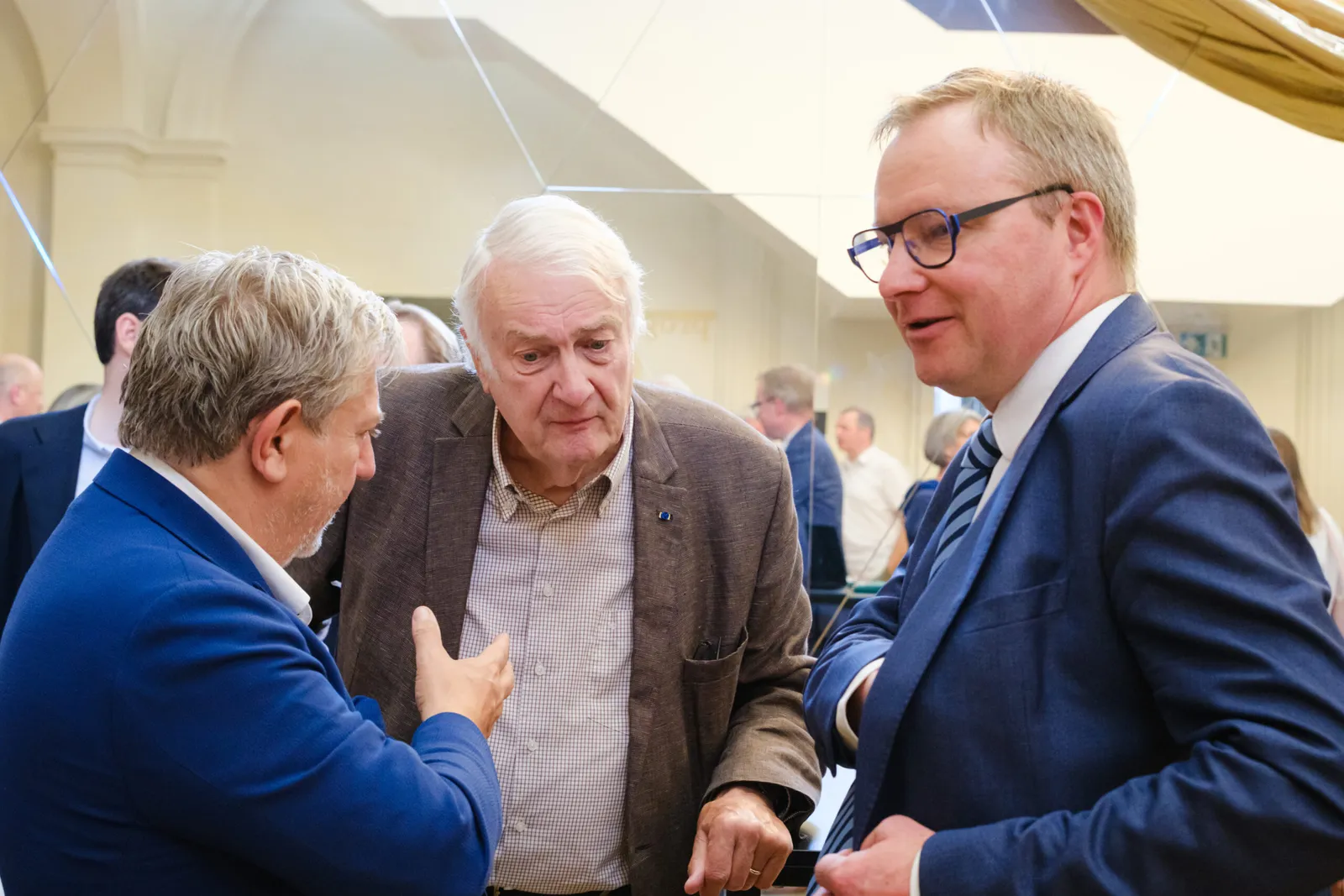
The moment of truth…
The lights go out and the curtain rises on ‘Old ground, new opportunities’. We travel back in time to Flanders’ rich industrial past, which brought prosperity but also left contaminated sites behind. The former arsenic factory in Bocholt had already brought the seriousness of the problem to light 35 years ago. The first case began before the Soil Decree even existed… To protect the surrounding area from arsenic contamination, the heavily contaminated soil was first capped, then remediated and stored in a ‘sarcophagus’.
The road trip continues: soil pioneers take us on a tour of brownfield sites. Striking footage shows how iconic sites such as the Limburg coal mines, the old Renault factory in Vilvoorde and Petroleum-Zuid in Antwerp are being given a new future. A perfect reason to stop off at the three redevelopment projects:
- Terhills: as an example of successful conversion, the site has been given a new, sustainable purpose as an ecological and tourist attraction;
- The Vilvoorde-Machelen canal zone, where work is currently under way to redevelop the area;
- Blue Gate on the Scheldt in Hoboken, where an eco-industrial park will be developed after remediation.
Many smaller former industrial sites have also been transformed. In Ghent, we visit the site of the old De Tondelier gasworks, which is making way for a new district with 500 energy-neutral homes. From the Artevelde city to O.666 in Ostend, a temporary circular hub in a former fuel depot.
Take a look for yourself at http://ovam.vlaanderen.be/oude-gronden-nieuwe-kansen and find out more about ‘Old ground, new opportunities’.
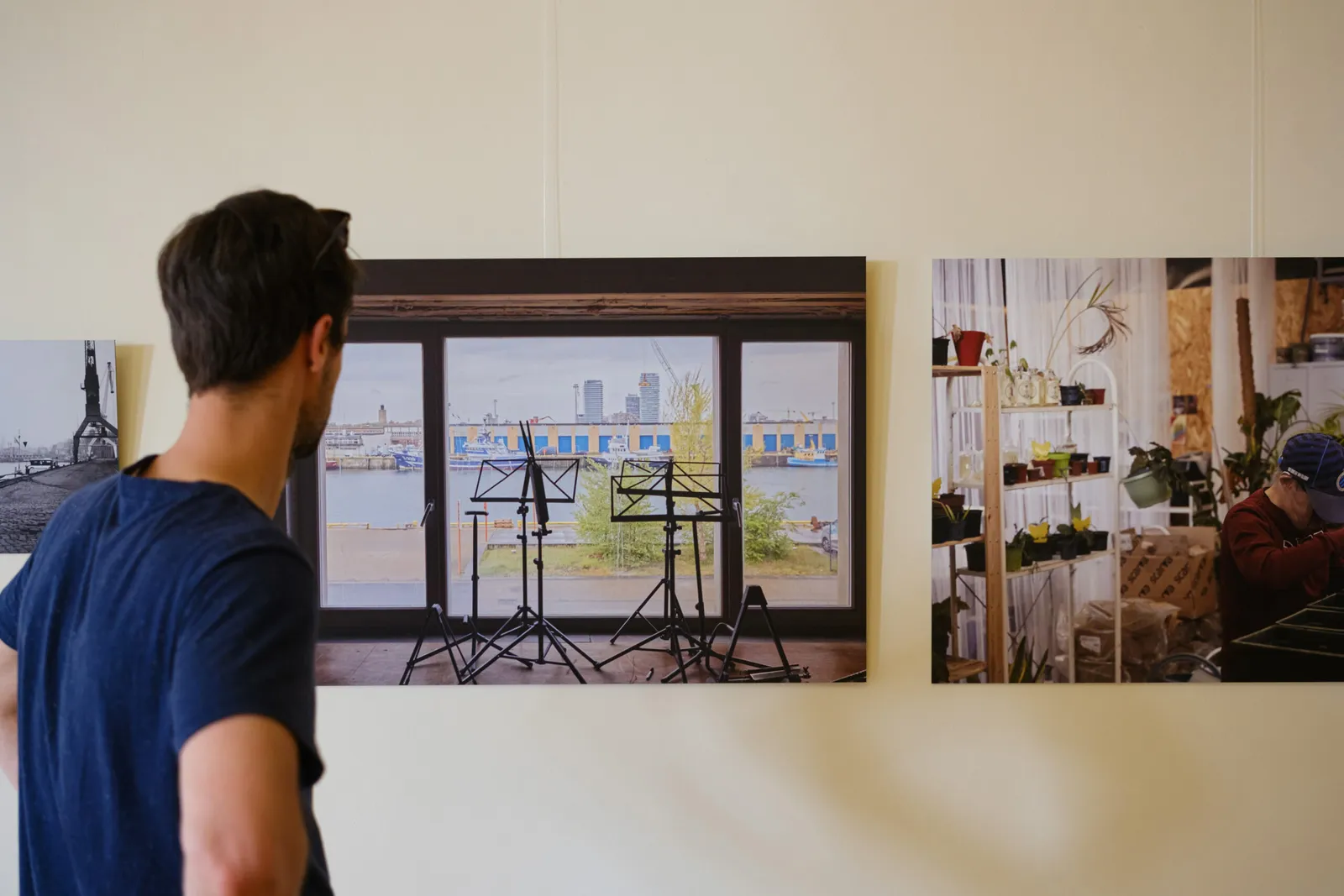
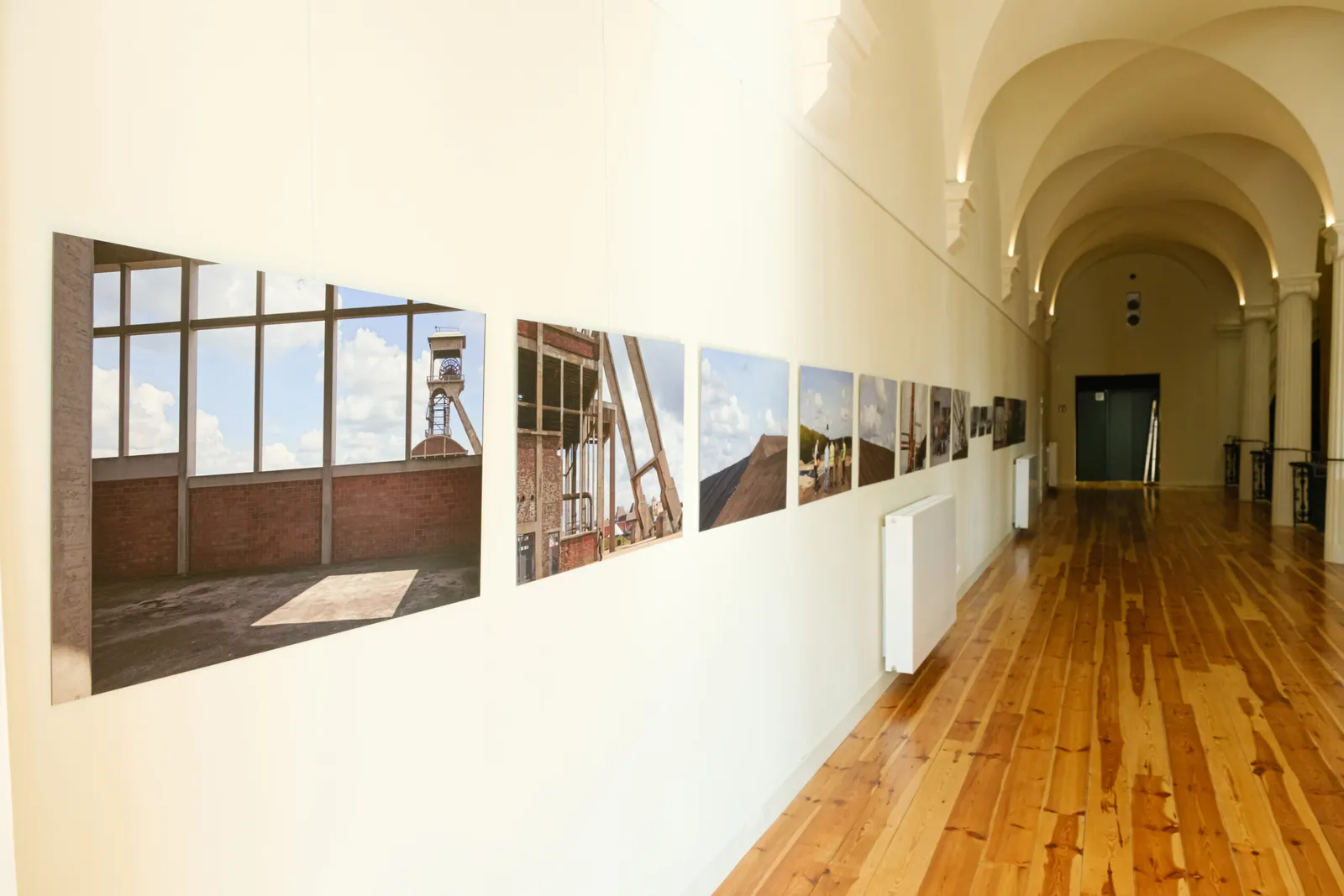
Together, we can make tomorrow better
“We have made great strides over the past 30 years. From 4,850 completed remediation projects and 12,000 ongoing projects to the website www.bodemkwaliteit.be, where everyone can access information about their land,” says Jan Verheyen, Head of Press & Communications at OVAM. “But there is still a long way to go. The problem is deeply rooted, and there are still pollutants that require further investigation, such as PFAS. Together with our partners, we remain committed to high-quality soil care.”
Een zakelijke vraag aan OVAM? Get in touch
Companies in this story

Keep following this
Get an email when a new story is published. No account needed.
- SubjectNews
- CompanyOVAM







