












Logistical alternatives to reduce recycling costs
Text Valérie CouplezImage (CD)²
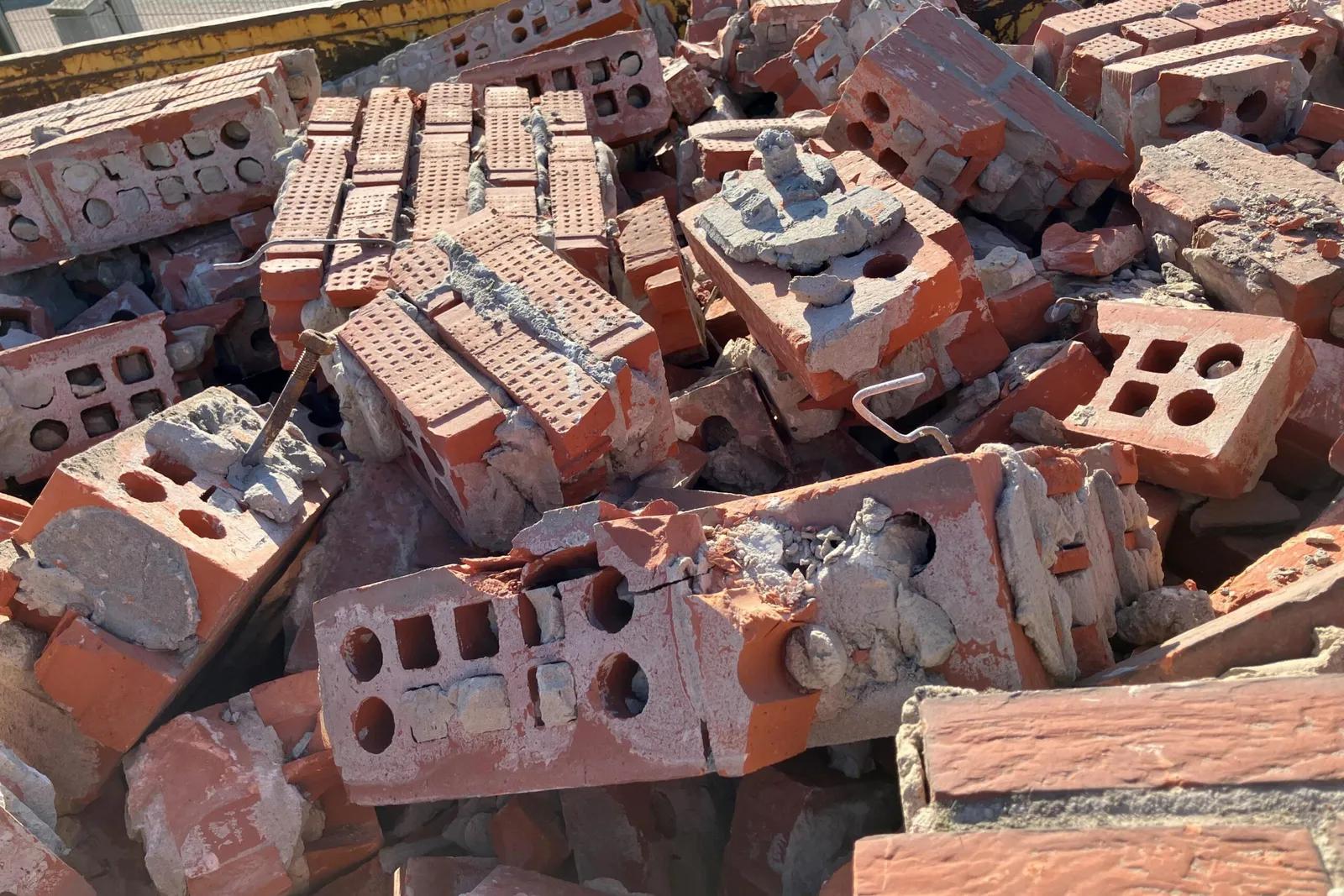
Did you know that 33% of the waste produced in Europe comes from the construction sector? In Belgium, this amounts to 15 million m³, or 20 million tonnes, every year. The technology exists to turn it back into high-quality raw materials. The main obstacle? The logistics. The (CD)² project therefore explored how things could be done differently, better and more profitably. “Manufacturers of construction materials are now under considerable pressure to decarbonise their activities, particularly as a result of European and national legislation. This is a real turning point for introducing new ways of working,” says Eléonore de Roissart, R&D scientist at (CD)² lead partner Buildwise.
(CD)² is one of the projects selected under the Wallonie Relance programme of the Walloon government. The programme covers 72 projects, representing an investment of 13,24 million euros in a Wallonia with less waste and more raw materials. (CD)² received 432.593 euros of this. “With the (CD)2 project, we want to take a very pragmatic first step towards this. We also want to feed our findings back into policymaking. There is still plenty of regulation in place that actually hinders greater reuse and recycling in the construction sector.”
Reducing transport costs
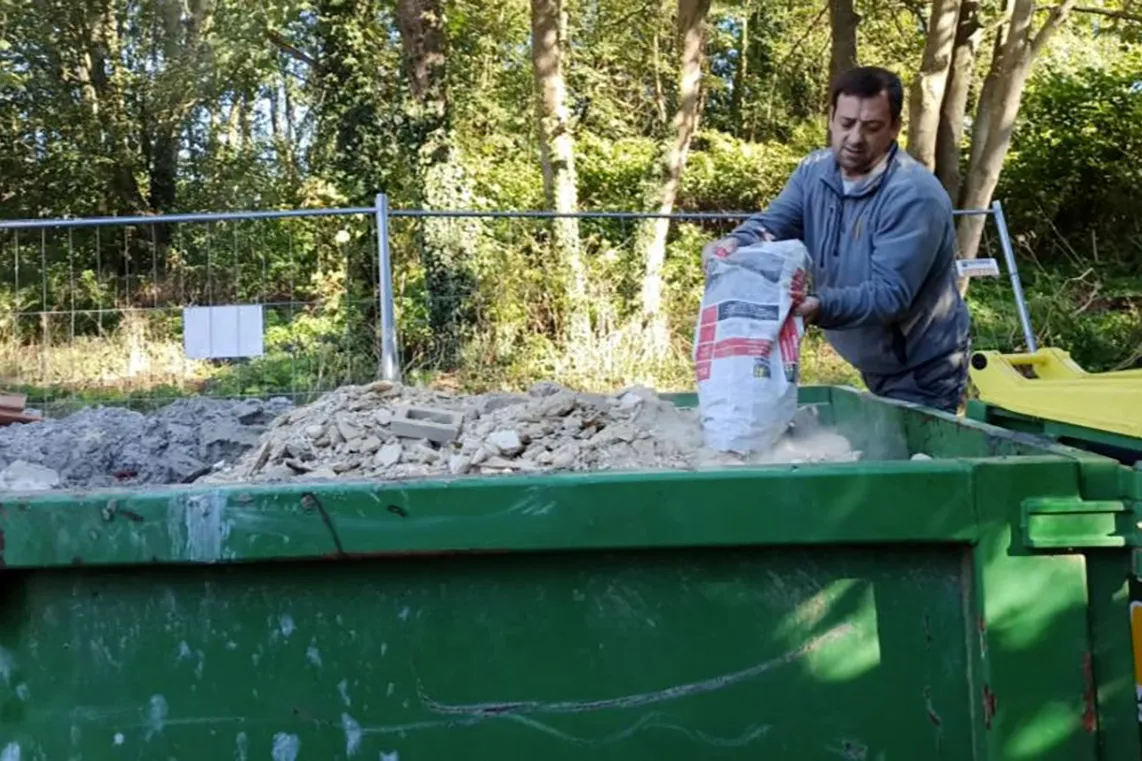
One of the three research areas addressed by (CD)² was improving logistics. Materials sorted separately on site need to be taken to a location where they can be recycled in a closed loop, under controlled conditions and without compromising their quality. “Always try to keep logistics costs between the site and the recycling centre as low as possible,” says de Roissart, revealing the main rule of thumb. “This has a positive impact on your CO2 footprint, but above all on the overall cost. That is often the bottleneck at present.” However, not every site is close to a recycling facility capable of processing every separately collected waste stream. Transport needs to be optimised: containers should be stacked more efficiently to reduce the amount of waste, and smaller containers or containers with compartments should be used to prevent them from being half-full. Some waste collectors also make regular rounds to pick up small quantities of waste in a particular area.
Volume is key
Volume is also an important consideration for construction companies. De Roissart explains: “We might as well start by sorting the waste streams that will be generated in large quantities. That is why it is important to calculate and forecast construction waste volumes. At a site where eight detached houses were being built, for example, we collected 10 m³ of gypsum waste and 10 m³ of rubble from ceramic blocks and bricks. That is enough to fill containers! We also carried out pilot projects involving the renovation of social housing roofs. A total of 5 million m² of roof tiles became available, and Wienerberger took them back to make new roof tiles. With minimal effort, we achieved maximum results, even using conventional logistics. This was all down to the huge volume of materials generated.”
Setting up hubs
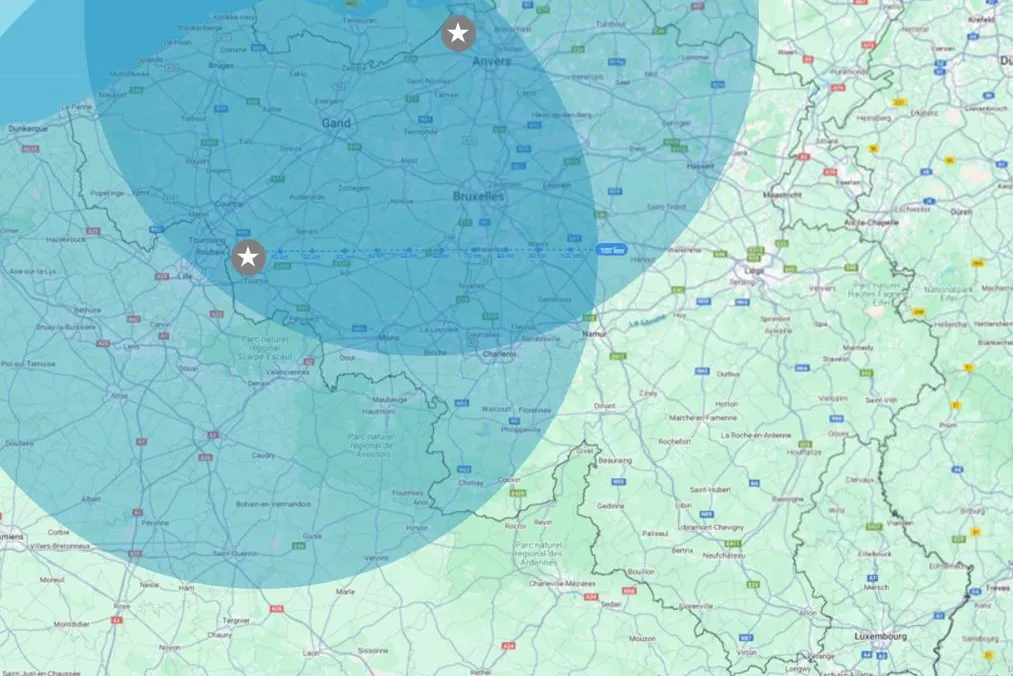
However, this is certainly not the case everywhere. Hubs were therefore set up at several of the pilot sites. “Ways to collect more materials before transporting them. A good example was the collaboration with building materials supplier SFIC, which set up its own small recycling park. Contractors could drop off their waste streams there when they came to buy new materials. Another trial involved BigMat taking back ceramic offcuts after delivery to the construction site. The waste was stored and compacted. Wiener-berger, the materials manufacturer, could then collect a large quantity of waste on its next delivery. This is a good way to make return logistics affordable and ensure that fewer lorries travel empty.” Other locations used for hubs included a large site where materials from several sites could be brought together, or the contractor’s warehouse or office. Collaboration with other companies was also arranged, for example, sending timber waste from a site to a nearby joinery workshop.
Question about this story? Ask your question
Keep following this
Get an email when a new story is published. No account needed.
- SubjectNews







