












LIFE project PFASTER in Willebroek: research begins into the spread and impact of PFAS and innovative remediation techniques
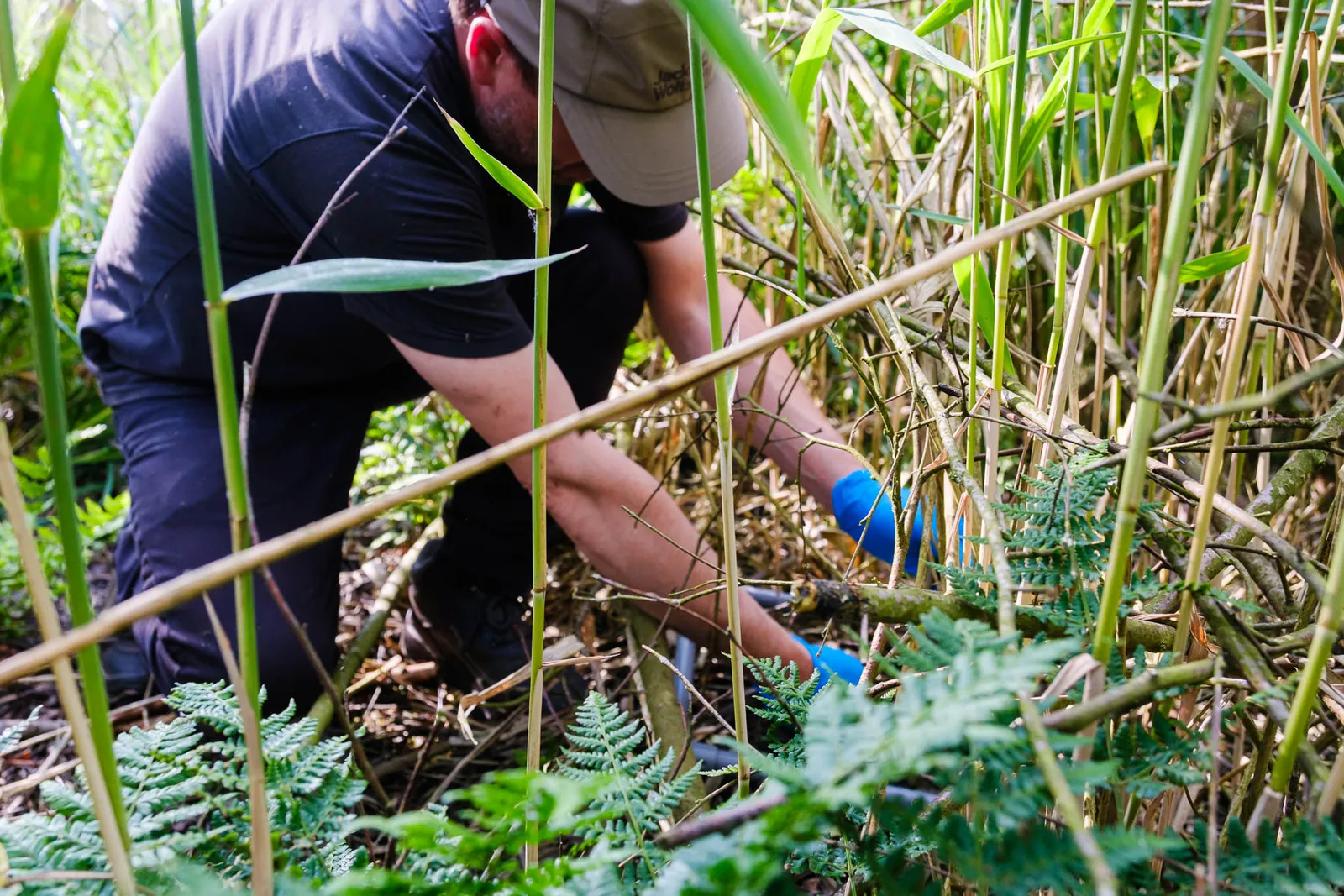
Together with many other partners, the Public Waste Agency of Flanders (OVAM) is starting the first studies under the European LIFE project PFASTER in Willebroek. The project is investigating where PFAS are present and how they spread. It is also testing new ways to tackle this contamination. In addition, the project aims to improve understanding of the health and environmental effects of exposure to PFAS.
PFAS, or per- and polyfluoroalkyl substances, are chemicals that can be harmful to people and the environment. “With the PFASTER project, we want not only to map the presence and spread of PFAS in Willebroek in detail, but also to develop new, sustainable solutions to tackle this contamination,” says Jan Verheyen, spokesperson for OVAM. “It is also crucial to gain a better understanding of the impact PFAS have on the health of local residents and on local wildlife.”
Extensive research into the spread and impact
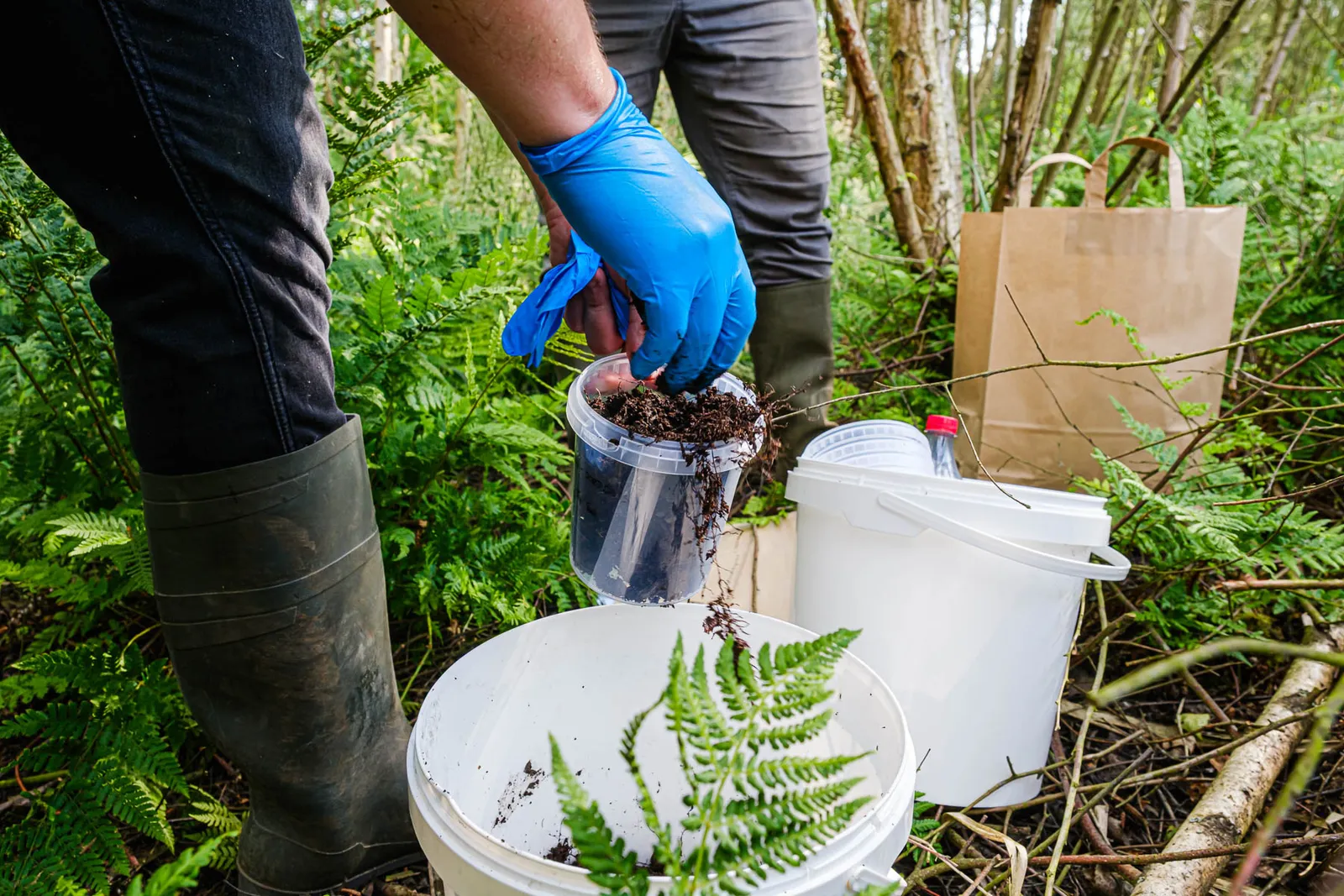
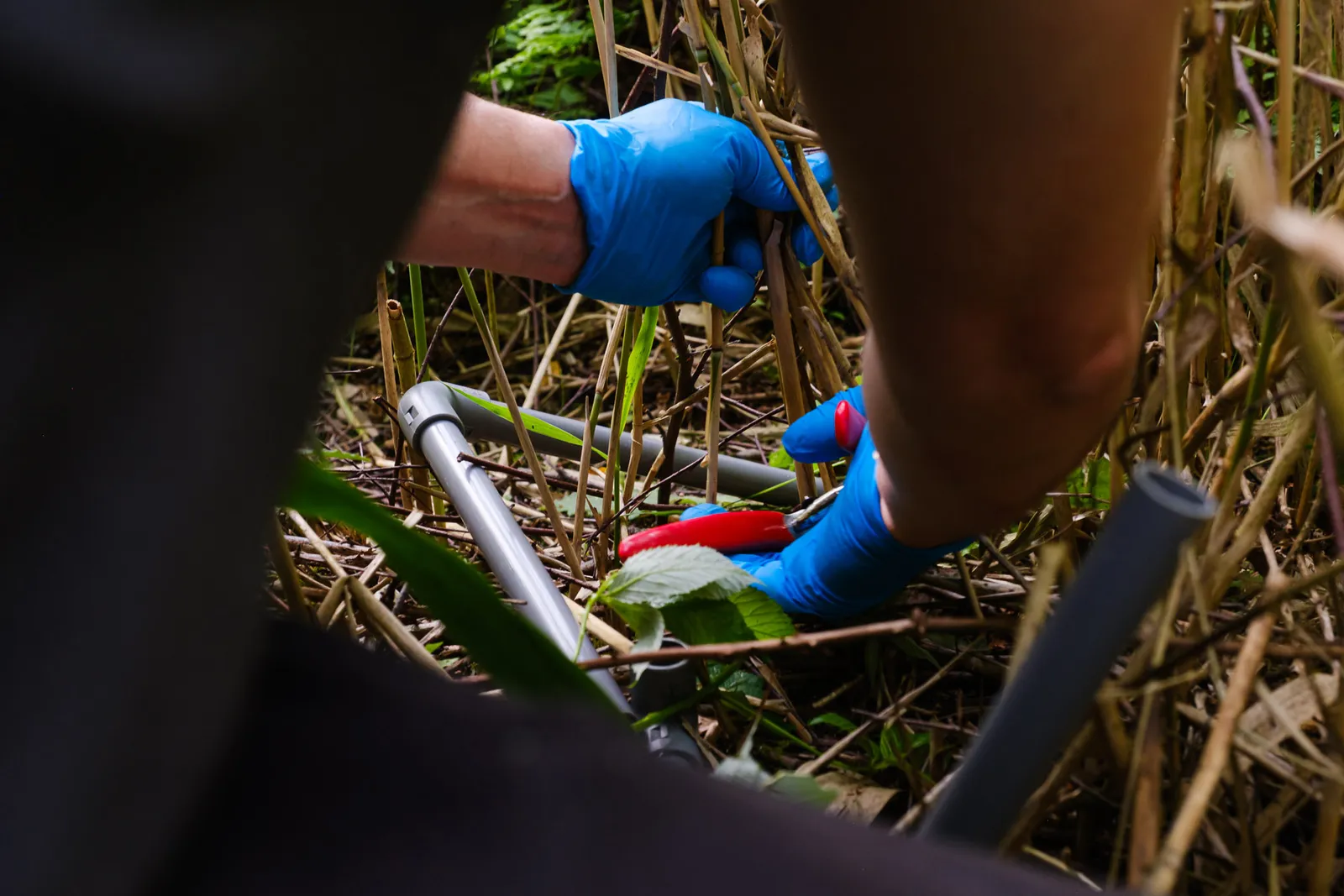
From June 2025, researchers from the Research Institute for Nature and Forest, the University of Antwerp, the Flemish Environment Agency and Tractebel Engineering will begin taking measurements in the surrounding area. They will collect samples of surface water, groundwater, soil, plants and animals, among other things. The effects on soil and groundwater will be monitored over the coming years.
The project also aims to improve understanding of how PFAS spread through the food chain, both on land and in the water in Willebroek. Researchers will also investigate how much PFAS accumulates in different parts of edible plants, and whether older contamination is taken up differently from more recent contamination. The PFAS levels measured will ultimately enable them to assess the potential risks to the environment and to people who come into contact with, or eat food from, areas where PFAS are present.
Innovative remediation techniques put to the test
The project is also testing groundbreaking methods for tackling PFAS. In the most heavily contaminated area near the former paper mill, Jan De Nul (Planet Redevelopment) will trial a new soil-washing technique. PFAS are washed out of the soil and then removed from the water using a special process involving foam and fungi. VITO is also investigating another innovative technique for purifying groundwater.
These pilot installations will operate for around 3 to 4 months in the summer of 2026. The results of these tests could be important for the future remediation of the factory site.
Natural solutions at Broek De Naeyer
Natural ways of tackling PFAS contamination are also being explored in the Broek de Naeyer nature reserve. Bio2Clean, Novobiom, the University of Antwerp and OVAM are investigating whether fungi, bacteria and other organisms can break down PFAS. They are also looking at whether aquatic plants, reeds and willows can help absorb the contamination.
LIFE
LIFE is a European funding programme for nature, environment and climate projects. The project is a collaboration between OVAM, the Flemish Environment Agency (VMM), the Research Institute for Nature and Forest (INBO), VITO, Novobiom, Bio2Clean, KU Leuven, Jan De Nul (Planet Redevelopment), TAUW, the Province of Antwerp and the University of Antwerp. Not all project partners are active on site at this stage.
All costs for these studies and activities are covered by the LIFE project, 60 % of which is funded by the European Union. Local residents, owners, users and operators will not incur any costs. They were informed about the start of the research by letter. They will be kept up to date in future through a digital newsletter and via the website pfaster.be.
Question about this story? Ask your question
Companies in this story

Keep following this
Get an email when a new story is published. No account needed.
- ThemeSafe and clean processing
- SubjectNews
- CompanyOVAM







