












Legislative framework for port reception facilities
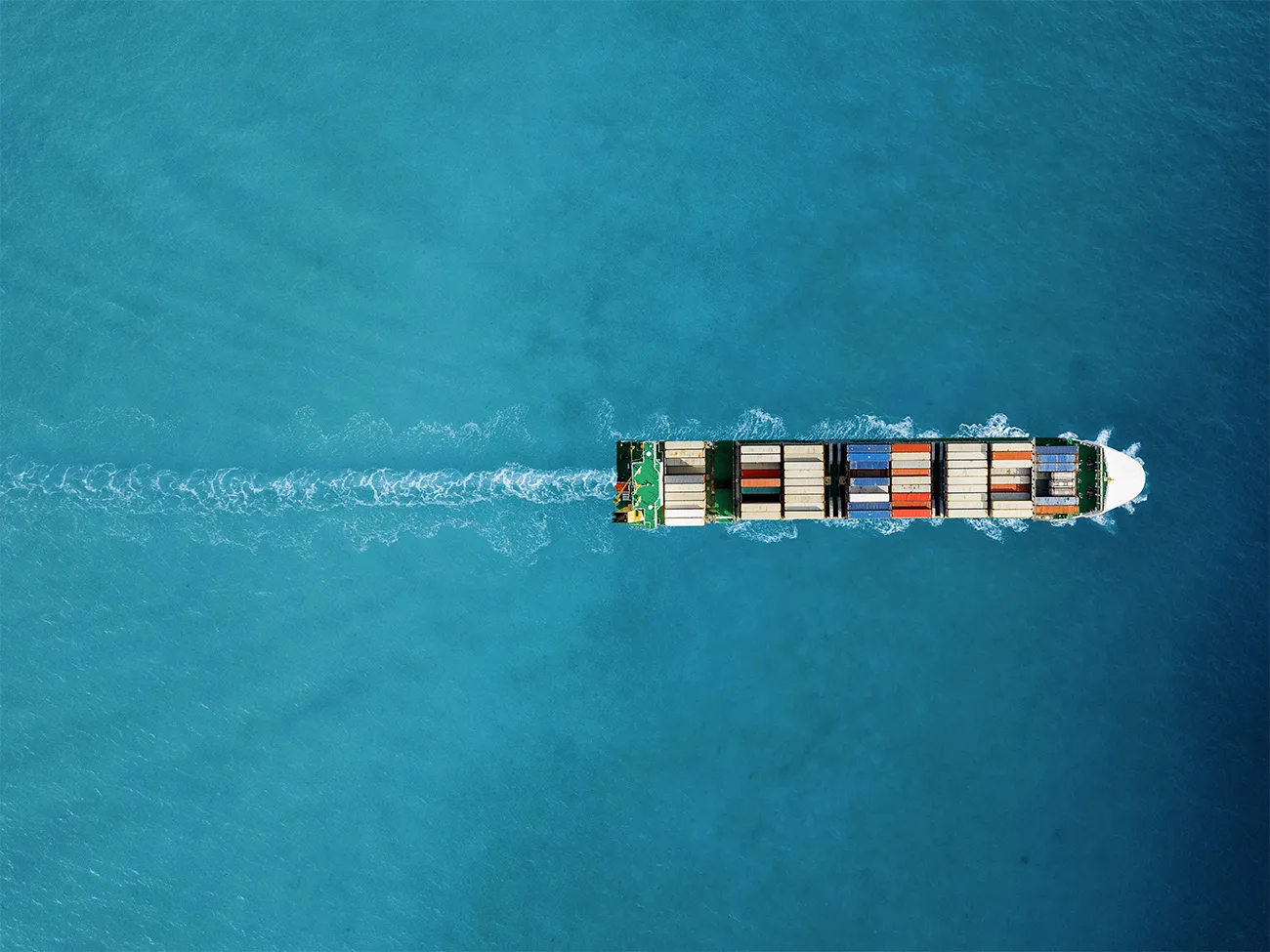
Stories of pearly white beaches littered with waste, plastic soup floating in the ocean, animals entangled in packaging waste … In recent years, there has been enormous focus on the presence of waste in the water.
Legislators are also working to close the loopholes that allow waste to be illegally dumped at sea. An important link in this chain is port reception facilities, which ensure that all waste is removed from ships properly. But how exactly does this work, and what should the industry focus on in the years ahead?
The key legislative document for the maritime sector on waste is MARPOL, the International Convention for the Prevention of Pollution from Ships, initiated by the International Maritime Organization (IMO). It has been in force since 1978 and aims to put a stop to waste being discharged at sea. The convention was prompted by the wreck of the Torrey Canyon in 1967, the largest oil spill at the time. The general rule on how waste streams should be handled is clear: the greater the potential environmental impact of a waste material, the stricter the assessment. As understanding advances and technologies evolve, the limits are continually being adjusted towards more waste being delivered ashore and less being discharged at sea.
Divided into annexes
The convention is divided into several Annexes, which classify waste into separate categories. The three most important are Annexes 1, 2 and 5. Annex 1 covers wash water contaminated with mineral oil derivatives. Annex 2 also covers wash water, but without mineral oil derivatives. It is further divided into X, Y and Z, which determine when the captain is required to deliver these waste streams to port reception facilities. Annex 5 covers solid waste. This largely corresponds to the types of waste that can be found in commercial waste: everything from kitchen waste to paper, and from oil-soaked rags to plastic packaging. A more recent addition is Annex 6, which covers waste generated by the treatment of air emissions. For example, ships running on fuel containing more than 0.5% sulphur will have to install scrubbers to prevent harmful emissions from being released.
From 30% to 100%
Although the environmental awareness of major shipping companies has already increased in recent years, an incentive scheme has also been introduced to encourage ships to deliver their waste to port reception facilities. They receive a refund on part of the port dues paid to berth in a port, based on the volume of waste delivered. Initially, this amounted to 30% of the invoice. Agreements have now been reached to increase this share to 100% for waste covered by Annex 5. The decision is awaiting implementation in national legislation, but in any case it should provide a further incentive to dump less waste at sea. Work has also been done to introduce a more uniform waste certificate. The details of what had been declared could vary from country to country and port to port. This has now been harmonised.
No separate categories
One area where Belgian ports still differ is the further sorting of waste. In practice, this can cause problems. All solid waste falls under Annex 5, whether it is kitchen waste or small quantities of hazardous waste. Under the rules set out by Marpol, this cannot be further subdivided when declared to port reception facilities. However, it still has to be sorted further once ashore.
Question about this story? Ask your question
Keep following this
Get an email when a new story is published. No account needed.
- SubjectNews







