












Large stocks of unsorted clothing put prices under pressure

The impact of coronavirus made it clear just how fragile the global world we live in is. Borders suddenly closed again.
That also created additional challenges for textile recycling. We asked industry players how Recutex has experienced this period.
Recutex was established in Zulte in 1948 with a single objective: sorting textile waste for recycling. At the time, reuse was not yet on the agenda. But that soon changed. Managing director Pol T’Jollyn says: “The sharp rise in living standards in the 1960s improved the quality of textile waste to such an extent that we were able to sort out wearable clothing. We could sell it at better prices. The share increased further when collection via street containers was introduced. Now, our entire sorting operation is essentially geared towards maximising reuse. About 60% of what comes in is destined for reuse, 30 to 35% goes for recycling, and there is nothing we can do with about 5% other than send it for incineration.”
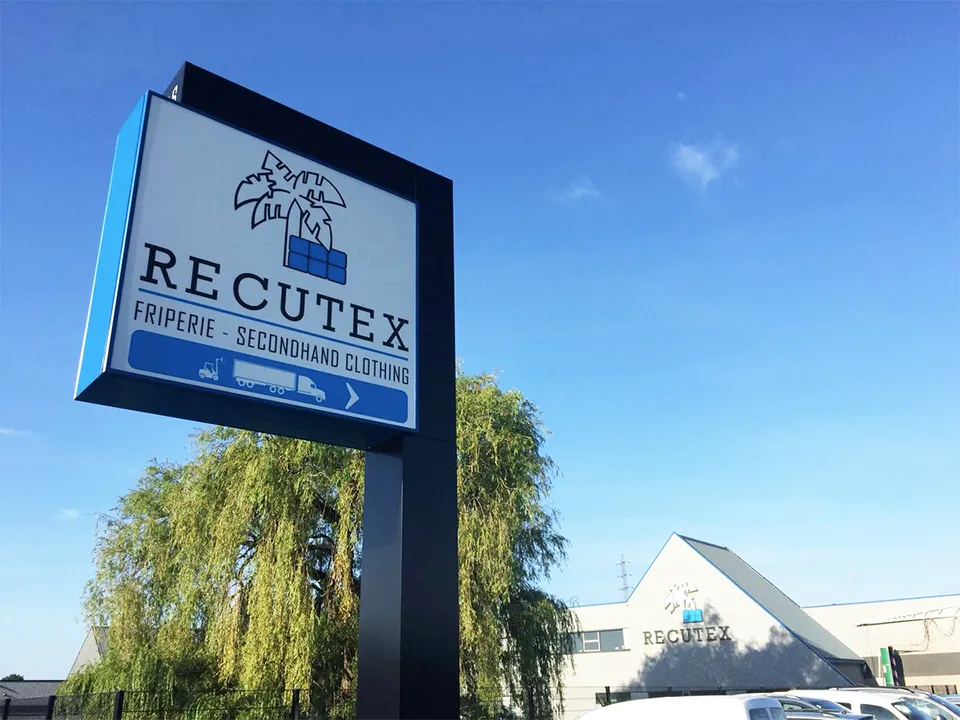
20,000 tonnes of textiles given a second life each year
Recutex processes around 20,000 tonnes of textiles a year with its 90 employees. Collection is carried out by its subsidiary VICT. Under agreements with intermunicipal associations, cities and municipalities, VICT installs textile containers, which are emptied at regular intervals and taken to Recutex. “By sorting out as many items as possible for reuse, we bring good-quality, affordable wearable clothing to market with a very small environmental footprint compared with new textiles. In our recycling operations, we distinguish between two categories: recycling for fibre and industrial wiping cloths,” T’Jollyn adds.
Disruption to supply and demand
Then came Covid-19, causing major disruption to business operations. T’Jollyn says: “On the one hand, charity shops closed during lockdown. They stopped accepting textiles, so all these goods ended up in the containers. The supply of unsorted clothing suddenly rose to unprecedented levels.” There were also problems on the sales side. “On the other hand, lockdown and closed borders made it impossible to sell goods in certain markets. As a result, we were forced to stockpile large quantities of clothing. We still have these large stocks today, and sorting capacity has not increased either. It could therefore take another one to two years to find buyers for this surplus stock.”
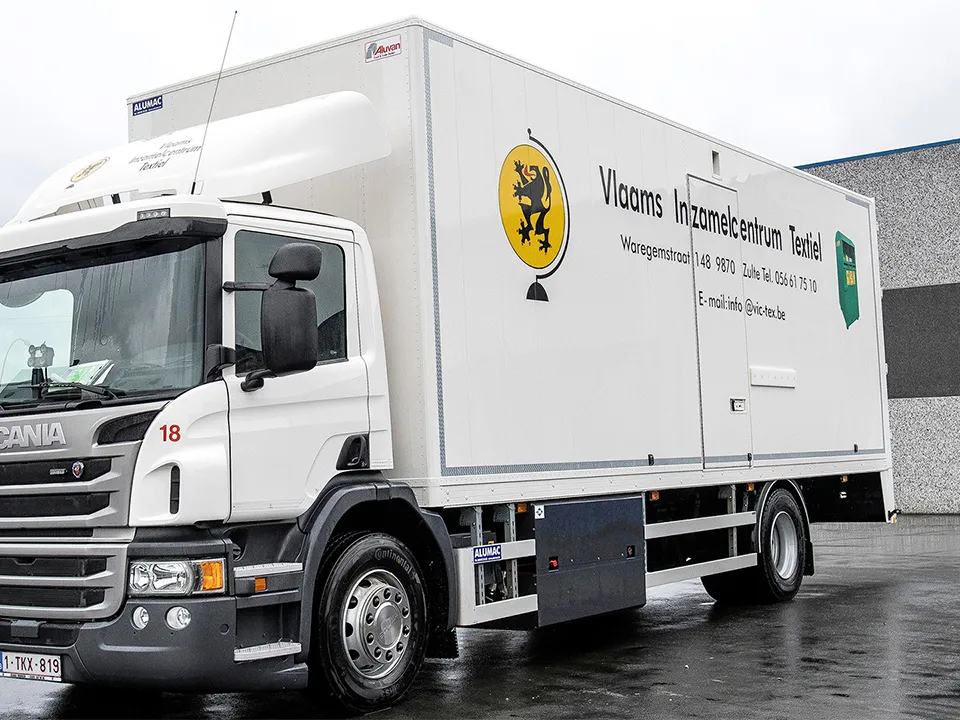
Prices under severe pressure
This has also put prices under pressure. “We pay intermunicipal associations, cities and municipalities to place the containers, while selling prices are under pressure, so profit margins have evaporated. Negotiations are currently under way to secure a partial waiver, and fortunately most intermunicipal associations, cities and municipalities are open to the idea.” T’Jollyn remains hopeful, then. “The situation is gradually starting to improve, in the sense that goods can once again be sold in the normal way. But for now, prices remain under severe pressure.”
Competing with foreign government support
There has been no government support so far. “We can only rely on the goodwill of intermunicipal associations, cities and municipalities to grant us a waiver. In France, by contrast, sorting companies received government support of 0.136 euros per kg. Since large quantities of unsorted goods from France are exported to Belgium for sorting, this creates serious competition for Belgian collectors. As Covid-19 is still not under control, many scenarios remain possible that could undermine our future. We hope supply and demand will soon return to balance, so that we can trade at normal prices again,” T’Jollyn concludes.
Question about this story? Ask your question
Keep following this
Get an email when a new story is published. No account needed.
- SubjectNews







