












Knowledge and drive underpin trading in recycling machinery and secondary raw materials
When you sit down with Cees Duijn, director of Du-Con Trade B.V., you’d better fasten your seatbelt. You’re in for a rollercoaster ride of observations, ideas and solutions. You’ll go from deep lows, as he considers the direction our planet is heading in, to soaring highs, as he explores the many opportunities and innovations available to us to do something about it. That drive, combined with a wealth of knowledge and experience, underpins his trading in recycling machinery and secondary raw materials.
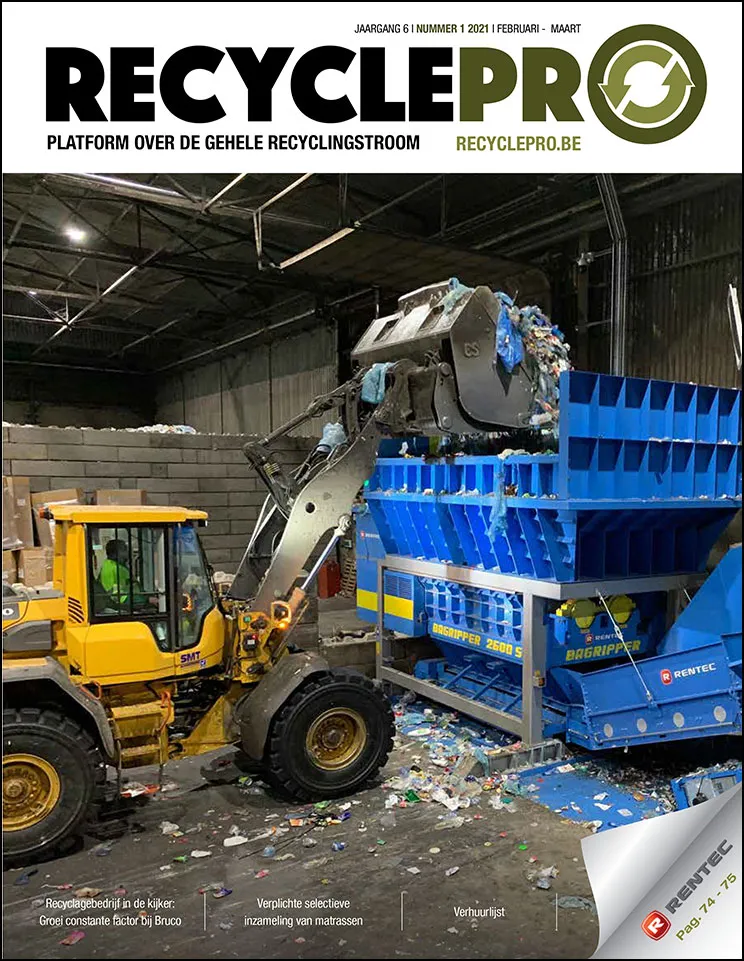
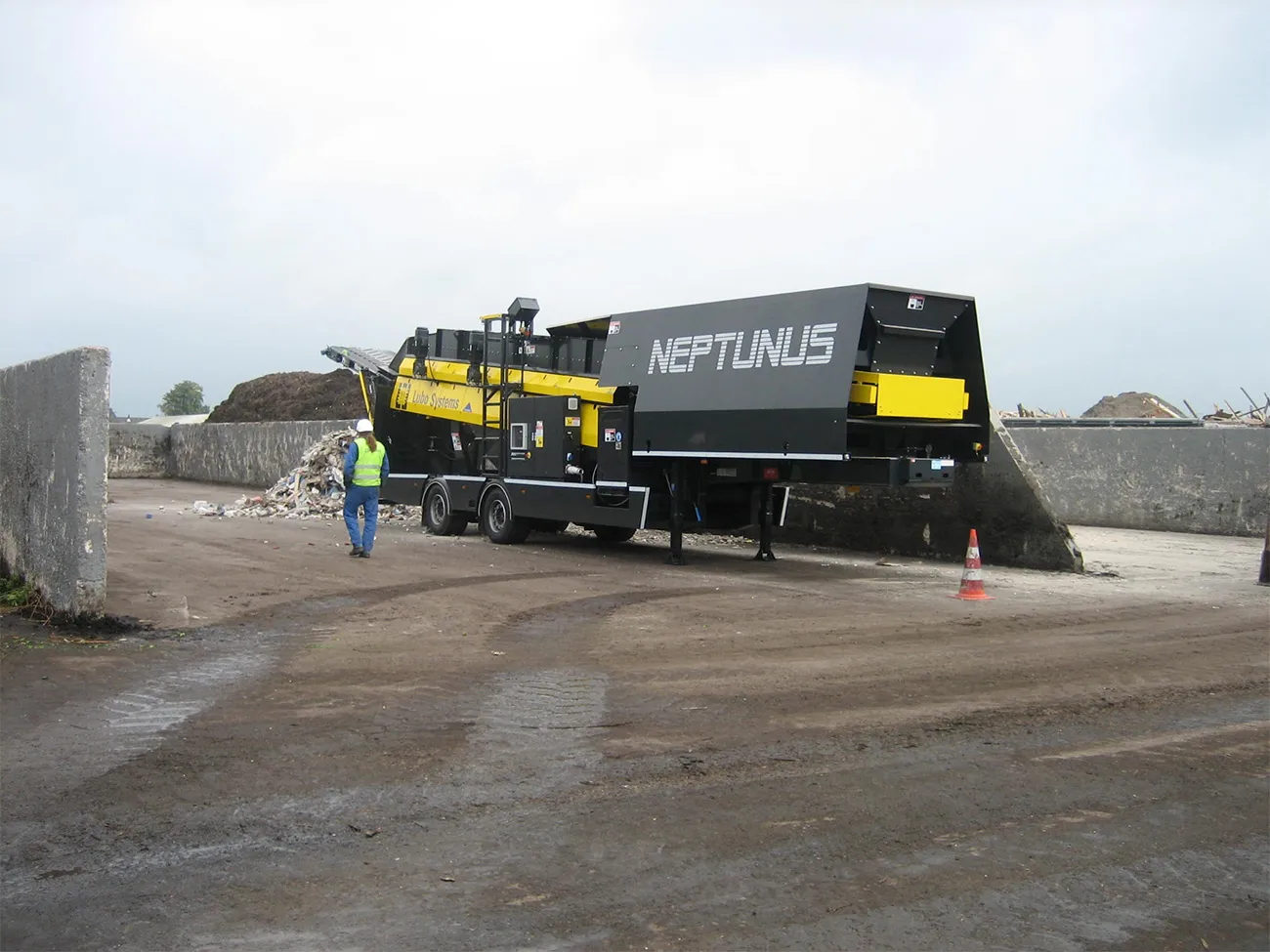
Let’s start with the basics. Du-Con Trade deals in used recycling machinery and secondary raw materials. The UQuip trading platform brings buyers and sellers of used recycling equipment together. Companies working in recycling technology, construction and raw material production use the platform to offer and find used machinery and equipment.
But Du-Con Trade is more than just a trading company. Its combined expertise across its disciplines, a unique mix of machinery and raw material trading, and many years of experience make Cees’s company a distinctive player in the market. Knowledge, expertise and passion underpin its activities. Add the extensive network built up over the years, and it is clear that this is an important player in the market. The company has developed extensive expertise in recycling technologies and the associated legislation and regulations, without losing sight of practical feasibility. At Du-Con Trade, they have their boots on the ground in the waste sector.
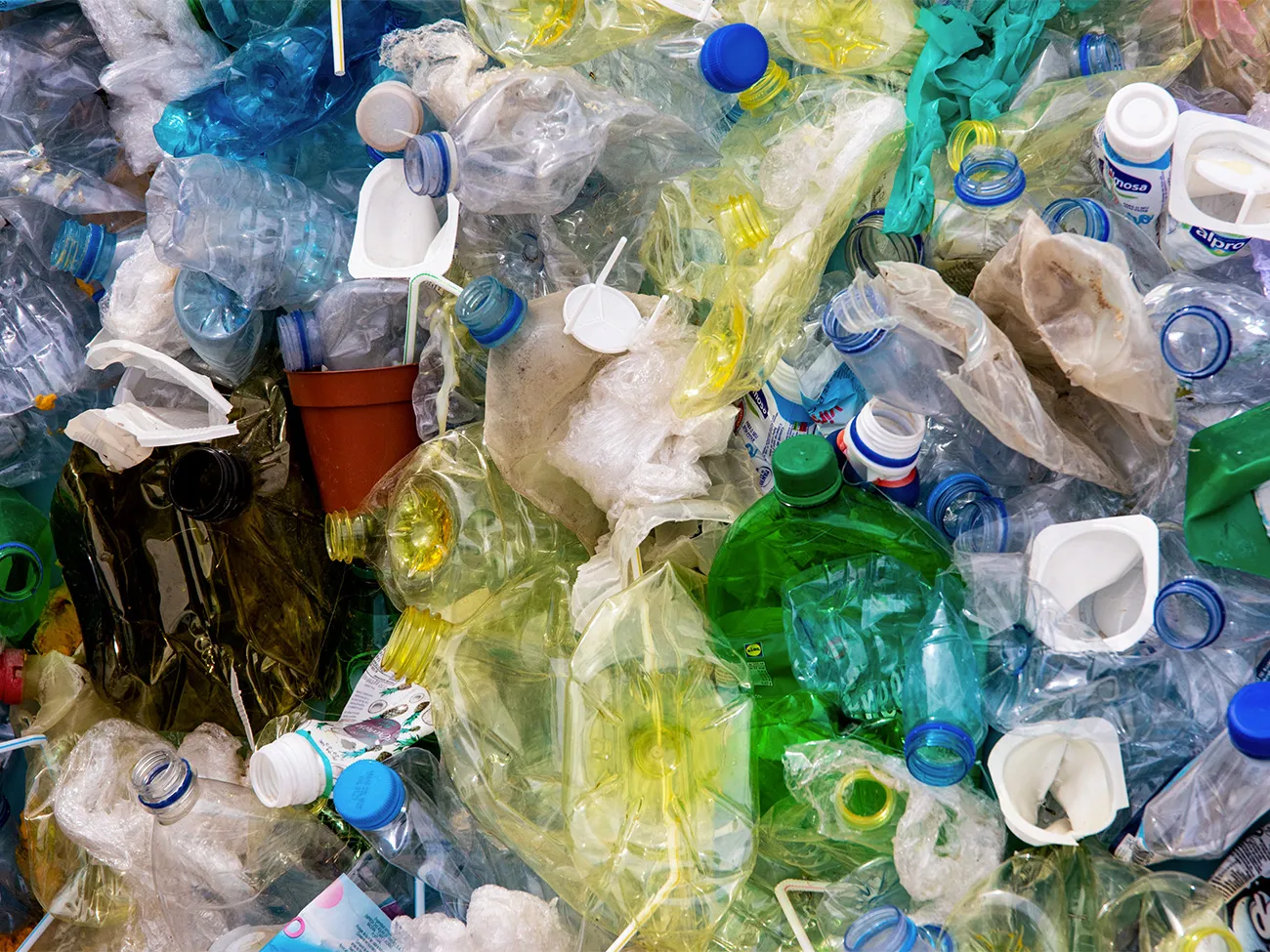
Sustainability and circularity play a dominant, even decisive, role in everything they do. In this context, plastic has a poor image these days. This is partly justified, especially when you look at geographical regions further removed from Western Europe. But Cees believes plastics remain fantastic materials. Plastic is fantastic, even today. Although plastics can be recycled perfectly well, traditional mechanical separation methods do mark the end of the road for plastics. After being recycled a number of times, the material is ‘worn out’. However, a new development offers hope: the chemical recycling of plastics.
In this process, heat is used to convert plastics into an oil-like substance, which then becomes the basis for, and here’s the remarkable part, virgin plastics. These new materials can even be used in food and medical applications, making this innovative process unique. The end products include packaging and, for example, instruments. Many are single-use. Chemical recycling produces feedstock free from odours and colour, which is one reason this innovative recycling technology is becoming increasingly popular. The time is right. Our society understands that we must take care of our planet, and our legislation and regulations are increasingly stringent on sustainability. What is still missing, really, is the willingness and capital from multinationals to think and operate in a fully sustainable way. With sufficient investment in technology and the right mindset, our future looks bright. The question is whether we have enough time left to save our planet. Cees Duijn thinks we do.
A bright future
Cees is equally optimistic about his own future in the environmental and recycling sector. However, he knows that every effort must be made to take meaningful action now. Not tomorrow. That is why he divides his time and expertise between three closely connected companies. InnoMax, Du-Con Trade and UQuip form, in effect, a single entity, backed by a vast body of knowledge and practical experience. Their added value comes from their combined expertise in the criteria for recycling raw materials, CO2 reduction, environmental permits, engineering and technology, and the associated requirements of legislation and regulations. This expertise extends internationally. As a leading expert in his field, Cees wants nothing more than to tell the world about the opportunities we too often overlook. His passion, and almost his life’s work, is focused squarely on achieving maximum returns from recycling, as illustrated by chemical recycling. The good thing is that governments are strongly encouraging the reuse of raw materials and innovation.
Question about this story? Ask your question
Keep following this
Get an email when a new story is published. No account needed.
- SubjectNews







