












Keys to success for women in recycling
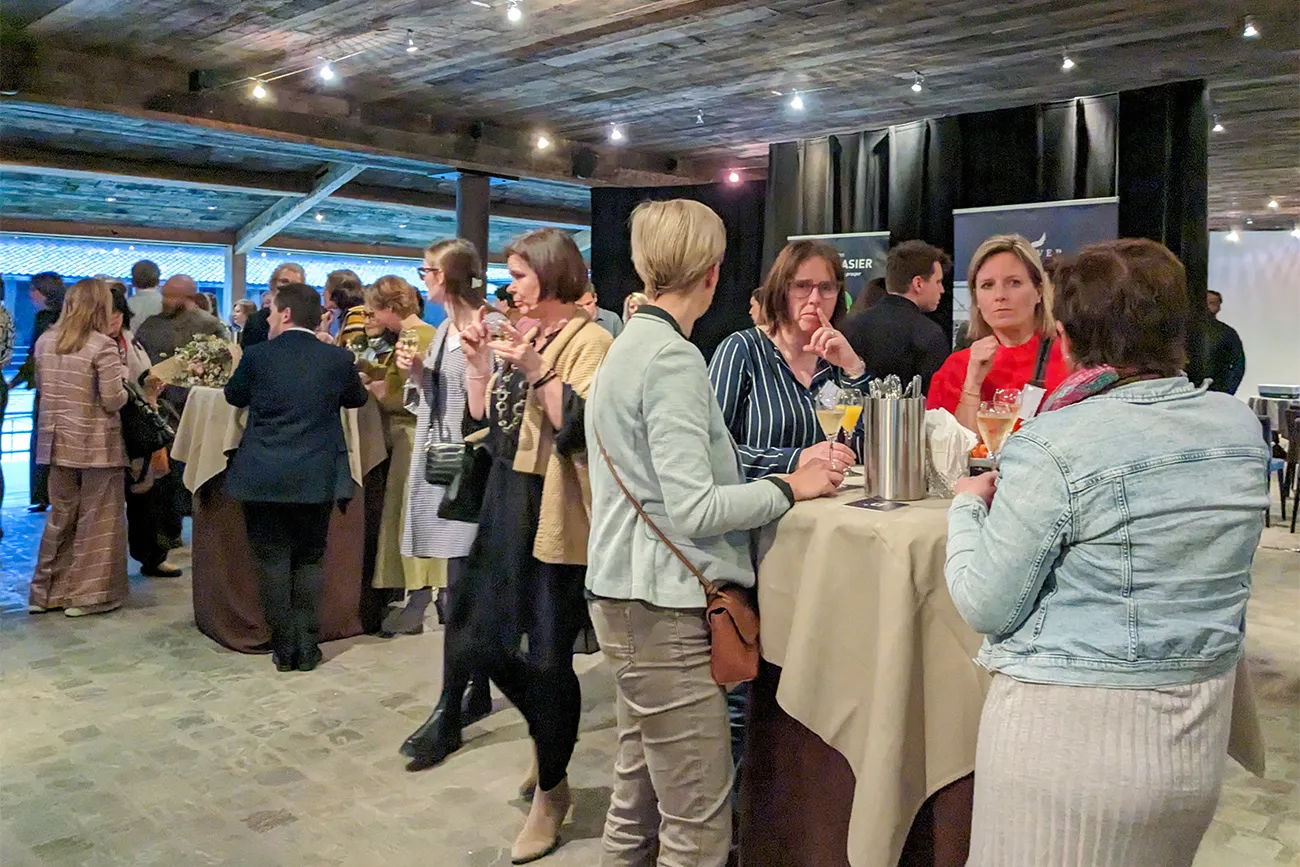
Down with the male stronghold. More and more women are knocking on the door of the recycling industry, and in growing numbers. And rightly so. At the Women in Recycling event, the women (and men) in attendance heard from personal experience what it takes to open that door. It was inspiring, not least because Caroline Van der Perre was among those present. Unizo has named her Female Entrepreneurial Talent of the Year.
Women in Recycling was holding its second edition. This time, Caroline Vanheede was on hand to host the event. “Last week I was standing in front of a class as a guest lecturer, and today I’m a presenter. You never know what a job in recycling will bring,” she began. Every testimonial that followed only reinforced that sentiment.
One for all, all for one
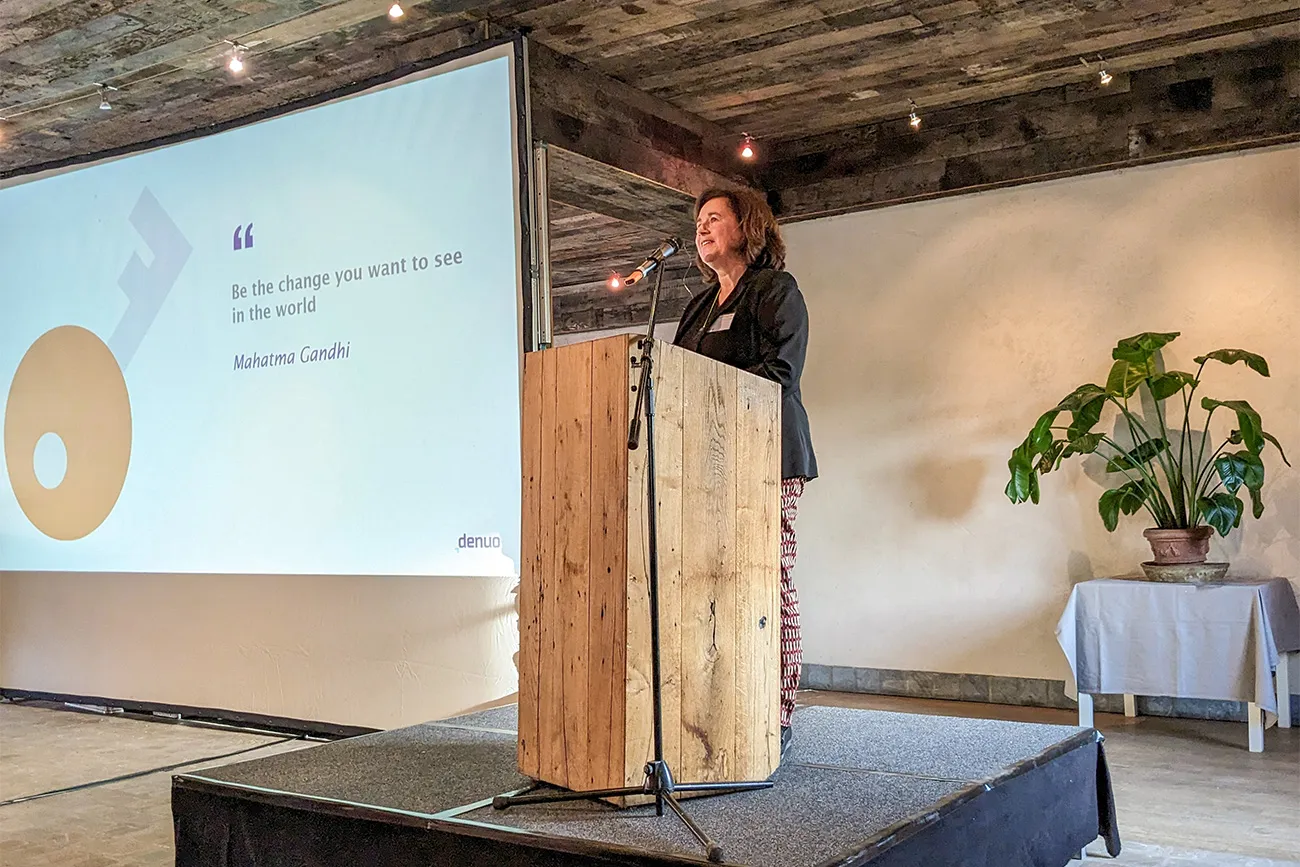
The first on stage was Caroline Craenhals, managing director of BST and one of our leading figures in recycling. Not just on the national stage, either. This year she made it to number 15 in the Recycling International Top 100, the highest-ranked woman and the highest-ranked Belgian. Quite an achievement. Her keys to success were a question, a North Star and four musketeers. It was a cryptic start, but she soon explained. “As the third generation of a family business, I lie awake wondering how I can turn my company into a circular pioneer. And how I can make it a Fortune 500 company. You have to dream big, beyond your reach and beyond the height of your house, so that you can always see the direction you want to go in. Like a North Star. But of course, you can’t do it alone. That’s where my four musketeers come in: machines, people, materials and methods. Using innovative technologies and the commitment of our staff, we return waste streams to the economy as valuable raw materials. One for all and all for one.”
Showing how we can change the world
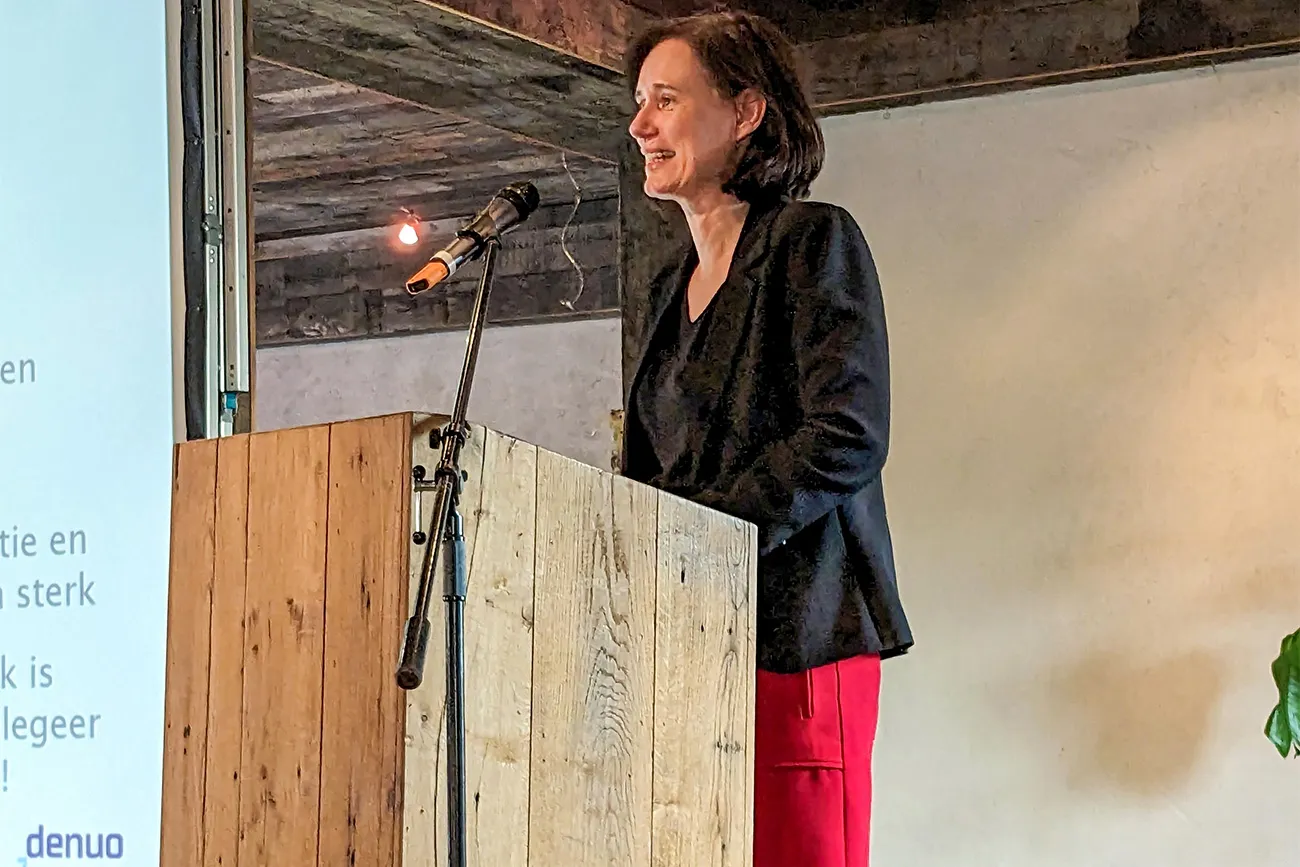
The second ‘girl on fire’ (if the musical intro was anything to go by) was Christel Droogmans. She founded Yuman Village, a 950 m² circular village that promotes the emergence of new circular economy models, creates local jobs and, as a one-stop shop, reduces transport within the city. “After seeing the film Demain at the cinema with my daughters, I decided to turn my career around 360°. I wanted to help build the world of tomorrow. In 2015, circularity was far from a given. I visited various initiatives at home and abroad to find inspiration. Three pillars were central to the ideas that took shape: ecodesign, sustainability and upcycling. The shop opened in 2019. It wasn’t the most opportune moment, with the crises that were to follow, but they taught us to adapt quickly. It makes me happy to see more and more people starting to ask questions and wanting to become more sustainable. Our second shop will open soon. And we, too, keep our North Star firmly in view: we know where we want to go. That is the best criterion for making the right choices. I also want to show my children how they can change the world.”
You can have it all
Sarah Nelen was also there. She is deputy chief of staff to Frans Timmermans, Executive Vice-President of the European Green Deal. She put forward serendipity, an English word that might best be translated as a happy accident. “What I mean is that I didn’t have a career path mapped out,” she explains. “It was a matter of staying alert and seizing the opportunities that came my way. That gives you the freedom to enjoy your work, rather than already focusing on the next step. It’s important to enjoy your job and to work closely with colleagues: building relationships, sharing information, earning trust. Inclusivity is the foundation of a strong team. Finally, I want everyone here to know that you don’t necessarily have to choose between a career and a family. I’m a happy mum at work and at home. It does take a bit more organisation, but it’s all possible. There is no perfect moment, though. You have to seize it.”
The likability factor
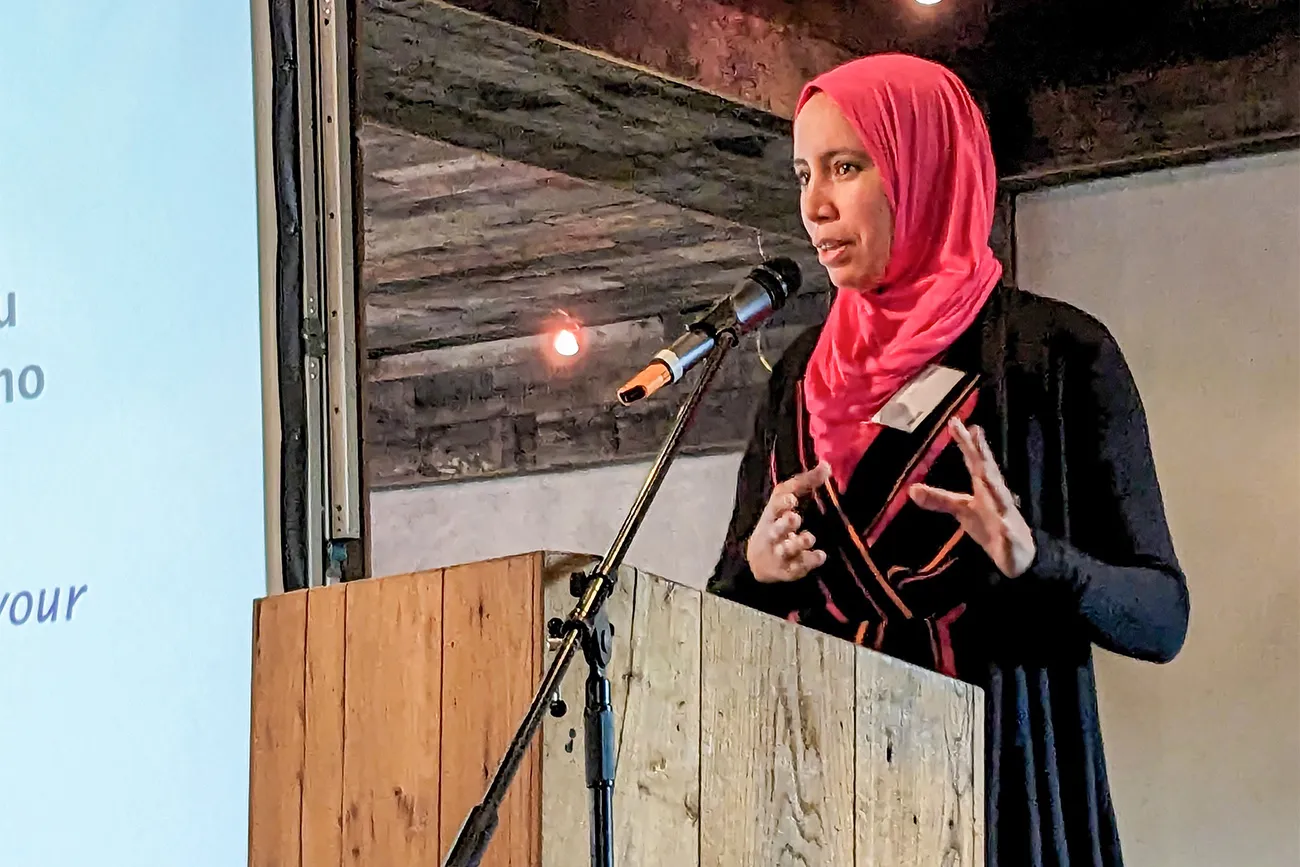
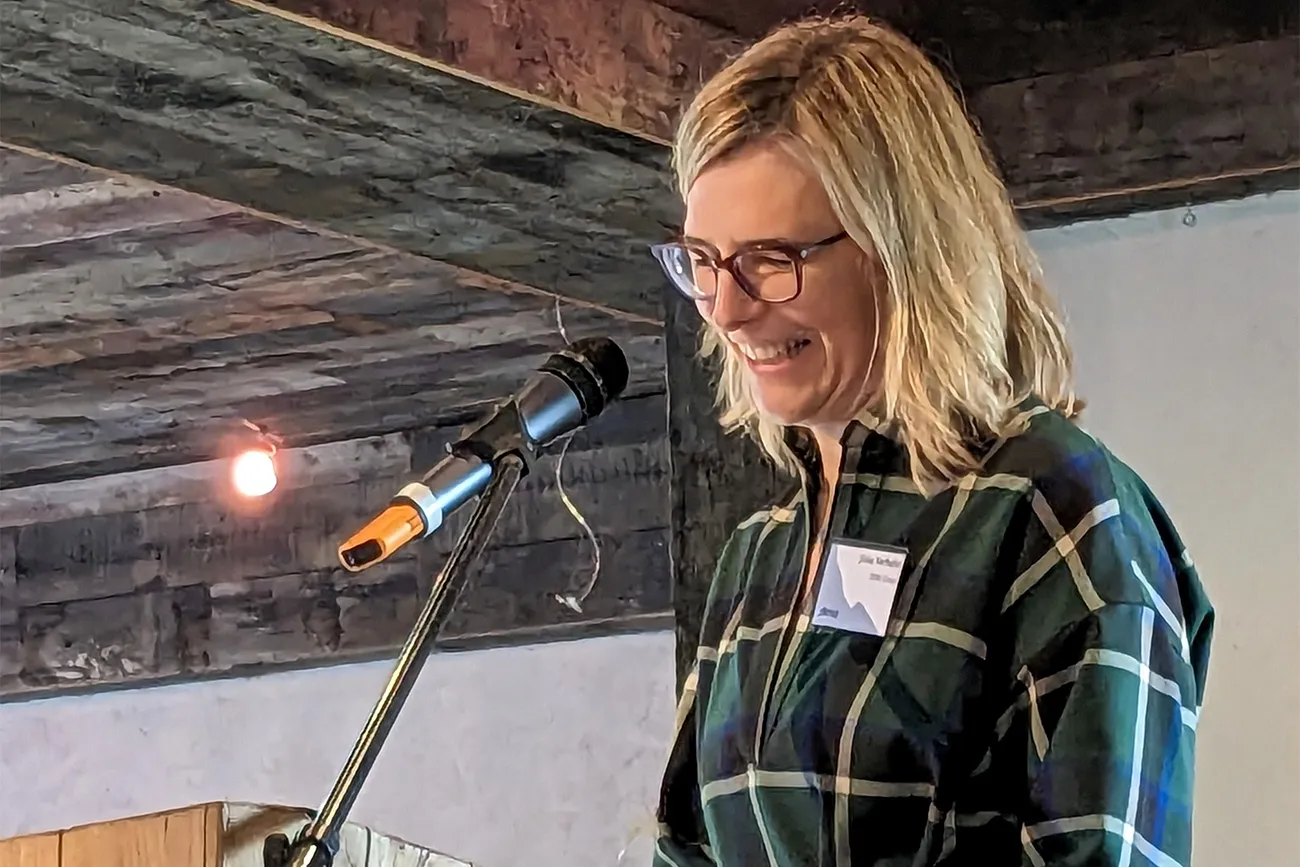
For Jiska Verhulst, sustainability manager at DEME, the ‘likability factor’ is the key to success. “The road to greater sustainability starts with getting people on board with your story. I was always told that, as a woman, you have to make your presence felt and be prepared to bang your fist on the table. But that’s not in my nature. Was I actually too soft to be a leader? It was a question that sometimes kept me awake until I read Influence by social psychologist Robert Cialdini. He describes six weapons of influence. One of them is reciprocity, the age-old principle of give and take. If you want to build lasting relationships, you show strength by being the first to give. That was a revelation, because suddenly being soft wasn’t such a bad thing. You have to draw on your own authenticity to sense when to claim a win and when it’s better to put someone else in the spotlight.”
Call for more ‘genuine’ diversity
The final personal testimonial of the day came from Ihsane Haouach, a woman who is difficult to put a label on. Yet two themes run through her career: her commitment to inclusivity and diversity, and her passion for the energy sector. “I love change,” she says. “But now I’ve found my place as an author and change manager. Writing and acting were an outlet for me. I hope that, through my story, I can now educate young people about diversity.” In her book Open up Your Organisation, she explains that diversity should not be about appearance, origin, disability or sexual orientation. “No, it should be about who we are. An organisation that wants to succeed in the future must bring together different profiles. That takes patience and empathy, so that we can put ourselves in someone else’s shoes, as well as authenticity. That is also what Open stands for: open, passionate, empathic and natural. These are the foundations for transforming into a more balanced organisation and finding work that gives us energy.”
Question about this story? Ask your question
Keep following this
Get an email when a new story is published. No account needed.
- SubjectNews







