












Key points for ADR transport
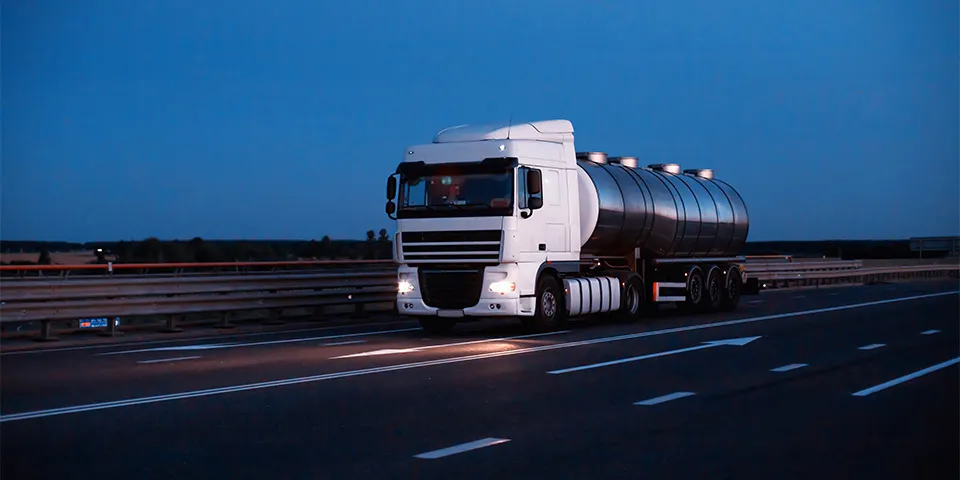
ADR sets out a number of provisions to ensure the safe transport of dangerous goods. This is also highly relevant to waste companies, as a number of waste streams are covered by these regulations. Johan De Waele and Paquita Geeraerts of the non-profit organisation Vereniging Voor Verkeersveiligheid (VVV) and Joeri Quasters, ADR safety adviser at Trafuco NV, worked with go4circle to compile a comprehensive course summarising the key points. They also received consultancy advice from Louis De Lausnay. Here, we look at some of them.
Everyone involved in the carriage of dangerous goods by road under ADR must take appropriate measures, in view of the nature and extent of the foreseeable risks, to prevent damage and injury and, where necessary, minimise their consequences. This applies to consignors, carriers and consignees, as well as loaders, packers, fillers, unloaders and operators of tank containers or portable tanks. This is set out in paragraph 1.4 of the ADR regulations. But what do these measures involve? To find out, you first need to understand how substances are classified. There are 13 hazard classes, each with its own hazard properties. If your load contains multiple hazards, start with the primary hazard and also take any subsidiary risks into account.
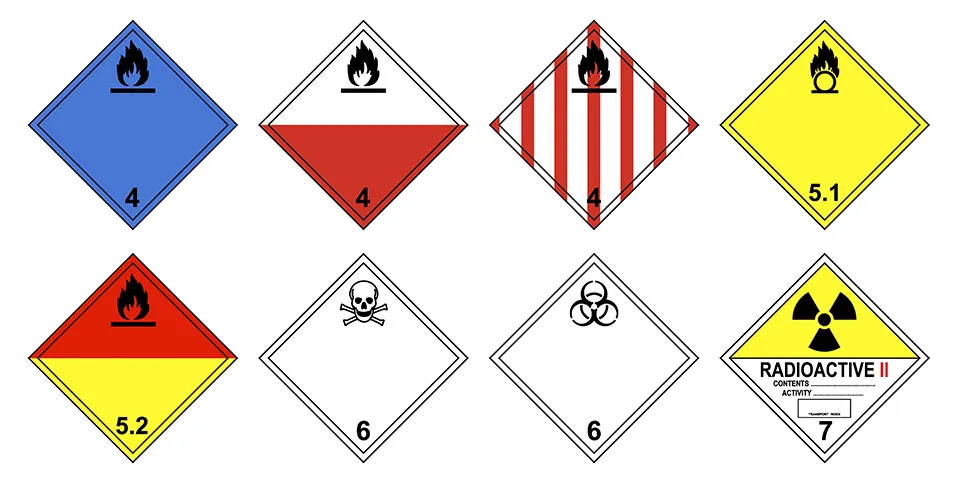
The packaging must always bear the correct hazard labels for the primary and subsidiary risks.
1. Make sure you have the right certificates
ADR drivers are required to hold an ADR training certificate, which is valid for five years. After that, they must complete one or more refresher courses, each followed by an exam. A minimum score of 50% is required to pass. Companies that consign or carry dangerous goods, or carry out related activities such as loading, unloading, filling or packing, must appoint one or more safety advisers for the transport of dangerous goods. For consignors, this requirement has applied since 31 December 2022. This mandatory appointment, which must always be notified to the relevant competent authority, is often overlooked. The safety adviser must also hold a suitable training certificate. The certificate is valid for five years. After that, as with drivers, the adviser must complete one or more refresher courses, followed by an exam or exams. A minimum score of 60% is required. The adviser is expected to communicate changes to ADR, which occur every two years, and their impact to drivers and/or other staff involved in ADR.
2. Always carry the right documents
The carriage of hazardous waste must always be accompanied by the necessary documents. These include the driver’s ADR training certificate and, of course, the CMR consignment note for national and international transport for hire or reward. This can now be done electronically, provided an official printout is produced during an inspection. The specific identification form must also be present. This is set out in VLAREMA. In Wallonia, this is a lettre or note d’envoi. The Brussels-Capital Region refers to it as a traceability document. If the transport crosses borders, a transfrontier movement and/or notification document will also be required under the EU Waste Shipment Regulation. In some cases, a final document, the proof of delivery, will also be required. Make sure all documents are correctly signed at all times.
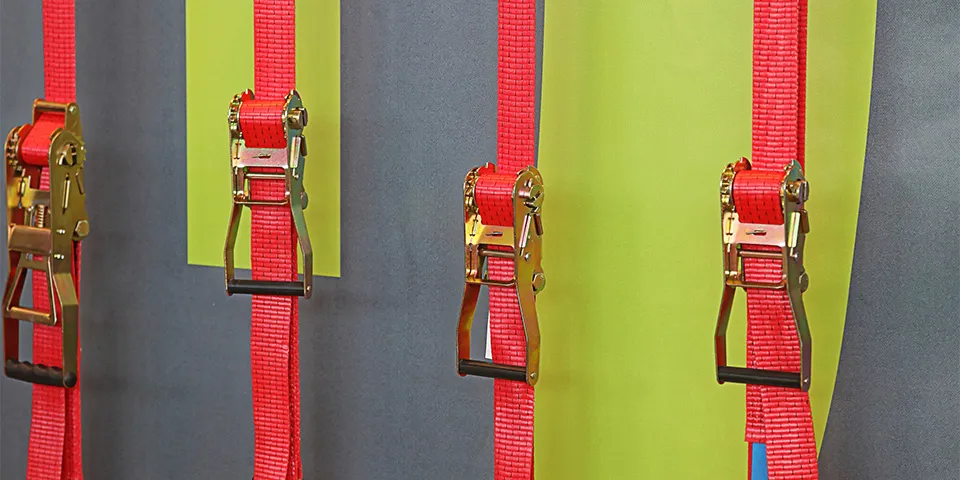
Make sure the load is adequately secured. Specific guidelines apply.
3. What requirements apply to the packaging?
Hazardous waste can be carried in a range of packaging. For the least hazardous solid ADR goods, carriage in bulk is even permitted. The packaging must always bear the correct hazard labels for the primary and subsidiary risks. Orientation arrows are also often required. Bear in mind that plastic packaging may be subject to a time limit for use. This must never be exceeded. The course also brings together the specific rules for typical waste streams such as WEEE, smoke detectors, lamps, paint waste, asbestos and small hazardous waste. Make sure the load is adequately secured. Specific guidelines apply.
4. What equipment must the vehicle have?
A fire extinguisher must be kept in the cab, within the driver’s reach. A second fire extinguisher must be located outside the cab in an easily accessible place. The ADR written instructions (ADR safety card) must also be on board. These tell the crew, in a language every member can read and understand, what measures to take in the event of an ADR accident or emergency. The necessary PPE must be available for each crew member, depending on the dangerous goods being carried. In the event of an incident, always contact your appointed ADR safety adviser for further support.
The carriage of hazardous waste must always be accompanied by the necessary documents.
5. What should I bear in mind en route?
The main restrictions on ADR transport relate to tunnels. Road signs indicate in advance which category applies and whether there are restrictions on ADR transport. Always be alert to these. Drivers must also ensure that any ADR requirements concerning parking are followed. The vehicle and its load must be protected against theft.
For further details about ADR training, contact the recognised training centre, the non-profit organisation Vereniging Voor Verkeersveiligheid.
Checks and actions before departure
- Are the required on-board documents in order?
- Have all transport and accompanying documents been signed?
- How many empty packages need to be delivered, and what type?
- Are the waste containers to be loaded identified and marked with the appropriate ADR hazard labels?
- Are the load and equipment secured?
- Is the tail lift locked?
- Are the ADR hazard labels in place?
- Are the PPE and vehicle equipment in order?
Question about this story? Ask your question
Keep following this
Get an email when a new story is published. No account needed.
- SubjectNews







