












How can asbestos be transported safely?
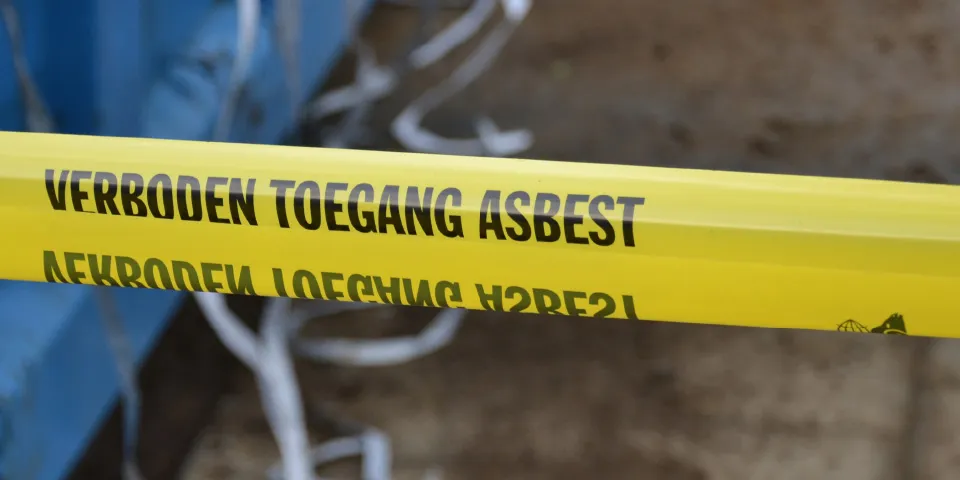
Flanders is determined to accelerate the removal of asbestos from its buildings. With more than 3,800 known applications in and around buildings, there is plenty of work to be done. This also means that more asbestos will need to be transported in the coming years to recycling centres (by private individuals) or to licensed treatment facilities. This article sets out the key points to consider when transporting asbestos.
Asbestos is classified as a hazardous substance under EURAL code 170605. Asbestos particles, which are virtually invisible to the naked eye, can penetrate deep into the lungs when inhaled and cause damage. Estimates suggest that 700 people die each year in Belgium as a result of exposure to asbestos. As a hazardous substance, it is naturally subject to the ADR transport rules, which you can read more about on pages 37 and 38. However, asbestos that has been immersed in or fixed with a natural or artificial binding agent to such an extent that no hazardous quantities of respirable asbestos fibres can be released during transport is fully exempt from the ADR. Finished articles containing asbestos that do not meet this requirement may also be exempt from ADR transport rules, provided they are packaged in such a way that no hazardous respirable asbestos fibres can be released during transport. This applies to UN 2212 & 2590, special provision 168.
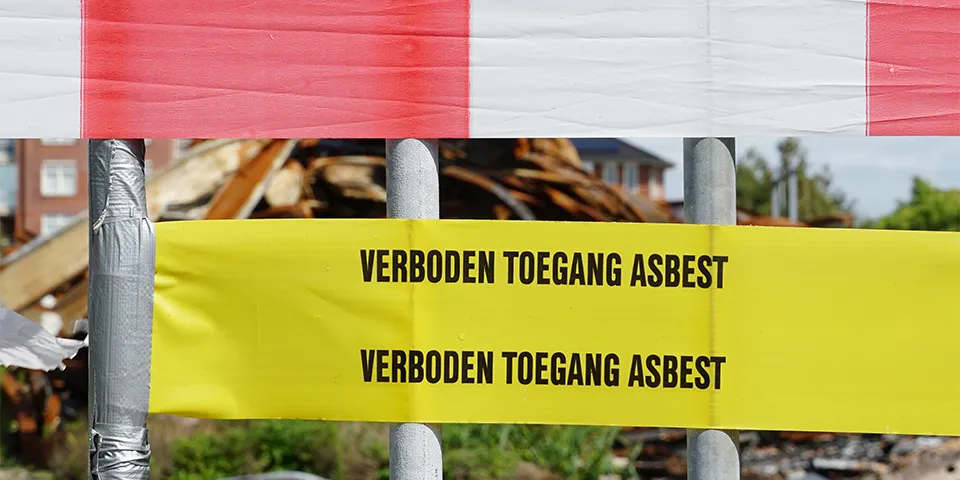
Asbestos particles, which are virtually invisible to the naked eye, can penetrate deep into the lungs when inhaled and cause damage.
Transport by private individuals to a recycling centre
Given the hazards posed by asbestos, a number of specific requirements are also in place to ensure safe transport. There are several ways to transport it. Private individuals may take bonded asbestos materials to the recycling centre themselves. Typically, each household can dispose of 200 kg, 1 m³ or ten asbestos cement sheets per year. They should keep asbestos waste separate from other construction and demolition waste and ensure that it is properly packaged. Dust and breakage must be avoided during transport. Packaging (double plastic bags, transparent asbestos bags or suitable asbestos sheeting) should therefore be chosen to match the size of the pieces. In dry weather, it may be advisable to dampen the asbestos-containing waste regularly to minimise the release of fibres.
Transport by registered asbestos collectors
For larger volumes, it is better to use a registered asbestos collector. The collector will pick up the asbestos waste and transport it to a licensed treatment facility, where it is usually solidified or destroyed. In Flanders, waste containing loose asbestos is ground and mixed with cement at facilities including Rematt and Asbeco. OVAM requires a container fitted with a big bag: a sturdy, tear-resistant white bag that can be securely closed after loading. Non-bonded asbestos must therefore be transported in double-walled packaging bearing an asbestos label. UN 2212 and 2590 summarise the packaging instructions as follows. Bags of any type must be transported in closed vehicles or containers, or placed in closed, rigid overpacks. Flexible, cardboard or wooden IBCs must be dust-tight and water-resistant, or fitted with a dust-tight and water-resistant liner. The collector or asbestos removal contractor must then provide a copy of the signed waste identification form. Smoking near the container is prohibited, as is opening the container doors anywhere other than the area marked ‘mandatory zone for opening and closing container doors’.
Question about this story? Ask your question
Companies in this story

Keep following this
Get an email when a new story is published. No account needed.
- ThemeImproving waste collection and transport
- SubjectNews
- CompanyOVAM







