












Green hydrogen from biomass
Producing green hydrogen from residual streams such as demolition timber, pruning waste or even roadside grass? HyCarb is working on a plant in Delfzijl that can do just that. And more besides. The recently established BV sees major opportunities in the north of the Netherlands. Together with NOM, it is developing plans that are expected to lead to a large production site within a few years.
HyCarb is the name of the development company backed by Amsterdam-based Torrgas, which already has several similar projects in the Netherlands. “We have experience producing syngas, green CO2, biochar and steam from residual streams. These can be used, among other things, to make green hydrogen, which is in high demand in Delfzijl, particularly in industry, both as a feedstock and as a fuel,” says Erwin Eijmans, co-founder of Torrgas.
Heating without oxygen
The biomass is pre-treated, then torrefied, a process in which the residual streams are heated without oxygen, and finally gasified to produce syngas, a mixture consisting mainly of hydrogen and carbon monoxide. The syngas can then be converted into more green hydrogen through a reaction with steam. Biochar is also produced, making the overall process carbon-negative. The technology has already been proven at several demonstration plants in collaboration with Gasunie. Now it is time to scale up.
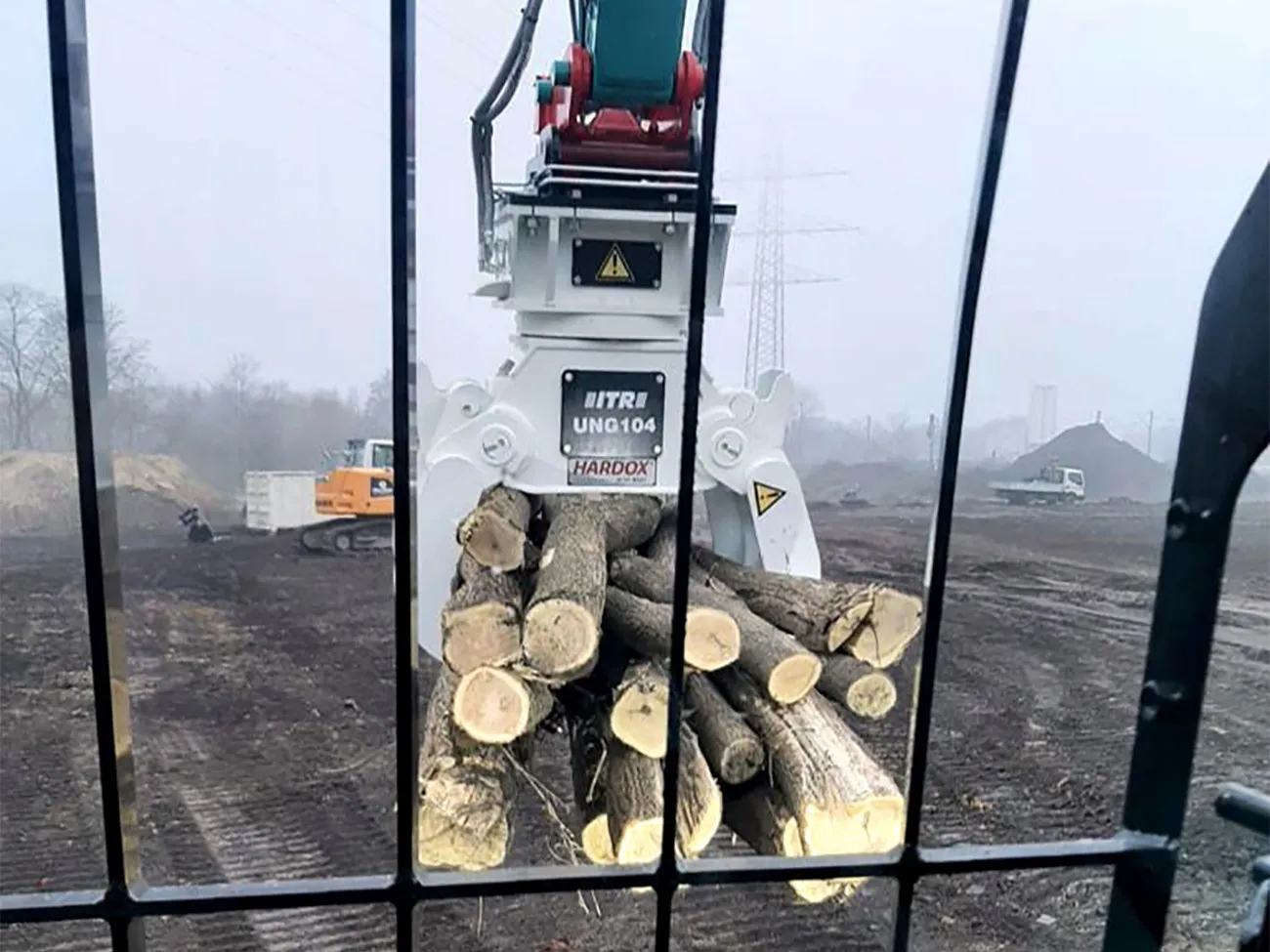
The plant’s ‘feedstock’ will come from residual streams such as demolition timber and pruning waste. Within a few years, feedstocks such as roadside grass should also be suitable for use. Eijmans: “Torrefaction upgrades these feedstocks before we gasify them. Their energy density increases many times over, the continuous process becomes more reliable and investment costs are lower.”
Carbon-negative
According to the plans, the process described above will produce around 15,000 tonnes of green hydrogen per year. One notable feature of the technology is that the process is carbon-negative. The project will save around 300,000 tonnes of CO2 emissions per year. “Thanks to the use of torrefied biomass, we can scale up relatively easily and produce syngas at an attractive cost. That is why this project has strong potential, Eijmans believes.”
HyCarb is currently preparing for the plant. The scope study begins with permit applications, engineering, team formation and the purchase of the land. NOM is co-financing this phase. Investment manager Sytze Hellinga: “The site is secured and all discussions have started. HyCarb is a perfect fit for our green ambitions and those of Chemport Europe: to make fossil-free materials that we all use every day. We are delighted that the company has chosen Delfzijl.”
Question about this story? Ask your question
Keep following this
Get an email when a new story is published. No account needed.
- SubjectNews







