












Green hydrogen from biomass
Producing green hydrogen from residual streams such as demolition timber, prunings or even roadside grass? HyCarb is working on a plant in Delfzijl that can do just that, and more. The recently established BV sees major opportunities in the northern Netherlands. Working with NOM, it is developing plans that should lead to a large production site within a few years.
HyCarb is the name of the development company backed by Amsterdam-based Torrgas, which already has several similar projects in the Netherlands. “We have experience producing syngas, green CO2, biochar and steam from residual streams. These can be used, among other things, to make green hydrogen, which is in high demand in Delfzijl, particularly in industry, both as a feedstock and as a fuel,” says Erwin Eijmans, co-founder of Torrgas.
Heating without oxygen
The biomass is pre-treated, then torrefied (a process in which residual streams are heated without oxygen) and finally gasified to produce syngas, a mixture consisting mainly of hydrogen and carbon monoxide. The syngas can then be converted into more green hydrogen through a reaction with steam. Biochar is also produced, making the process carbon-negative. The method has already been proven at several demonstration plants, in collaboration with Gasunie. Now it is time to scale up.
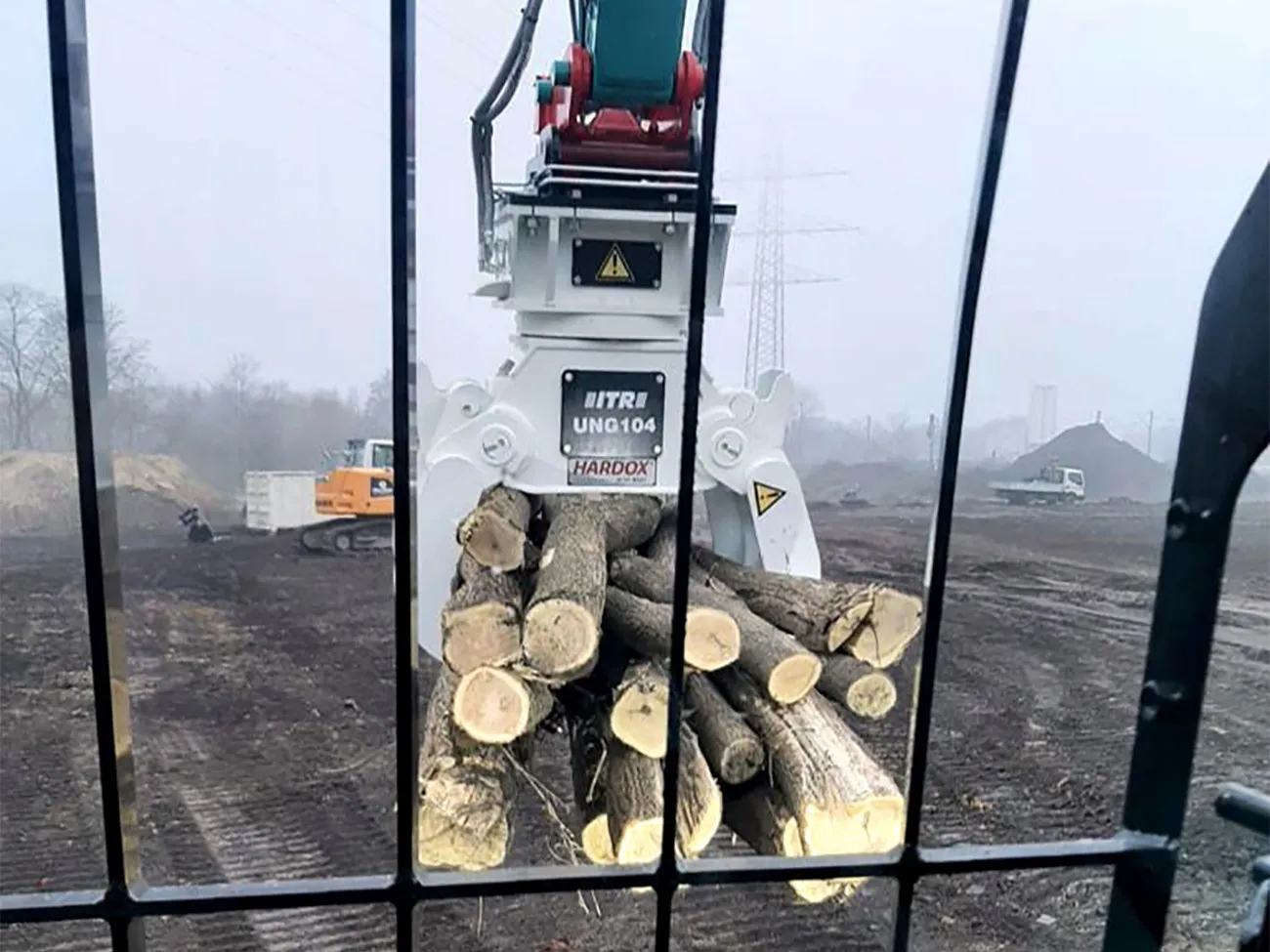
The plant’s ‘feedstock’ will come from residual streams such as demolition timber and prunings. Within a few years, feedstocks such as roadside grass should also be suitable for use. Eijmans says: “Torrefaction upgrades these feedstocks before we gasify them. It greatly increases their energy density, makes the continuous process more reliable and lowers investment costs.”
Carbon-negative
According to the plans, the process will produce around 15,000 tonnes of green hydrogen annually. One distinctive feature of the technology is that the process is carbon-negative. The project will save around 300,000 tonnes of CO2 emissions per year. “Thanks to the use of torrefied biomass, we can scale up relatively easily and produce syngas at an attractive cost. That makes this project highly promising,” Eijmans expects.
HyCarb is currently preparing for the plant. The scoping study will begin with permit applications, engineering, assembling the team and purchasing the land. NOM is co-funding this stage. Investment manager Sytze Hellinga says: “The site is secured and all discussions have begun. HyCarb is a perfect fit with our green ambitions and those of Chemport Europe to make fossil-free materials that we all use every day. We are pleased the company has chosen Delfzijl.”
Question about this story? Ask your question
Keep following this
Get an email when a new story is published. No account needed.
- SubjectNews







