












Good recycling practices in the construction sector
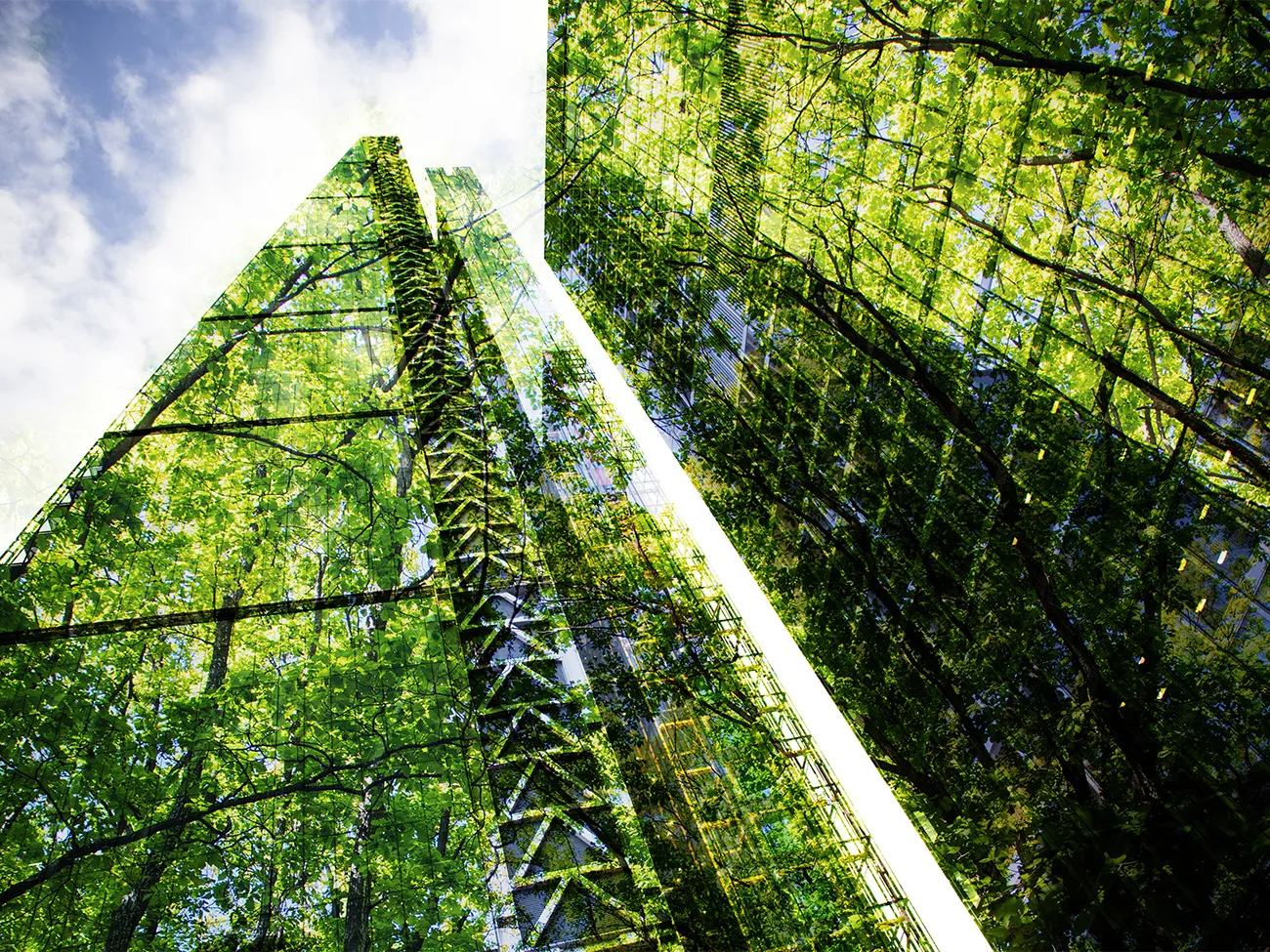
35% of all waste in the EU comes from construction. In Belgium, the figure is 38%. This is an enormous amount that cannot be ignored. Can construction waste be recycled, and if so, how?
The importance of recycling in the construction sector
Recycling construction materials offers several benefits: lower consumption of the planet’s dwindling natural resources, a reduced carbon footprint for buildings and an improved overall energy balance.
The sector’s main problem is that most buildings were designed using older technologies, without any consideration for a circular economy (i.e. waste management after demolition). The EU has been addressing this issue for some time. The Waste Framework Directive 2008/98/EC set a target for 70% of construction and demolition waste to be recycled by 2020. Yet it is now 2022, and across the EU as a whole, we are nowhere near this target.
Fortunately, Belgium is a perfect example for the rest of the EU. It is estimated that around 91% of the 628,000 tonnes of construction waste produced in Belgium each year is processed. How is this possible?
New construction technologies that make recycling easier
New solutions are emerging for both upcycling and downcycling construction materials: recybeton (developed in France and Austria), Neptune grass used as eco-friendly insulation, and the Australian invention timbercrate, made from sawmill waste, sand, cement and a non-toxic deflocculating stone additive, and cured by the sun and wind.
We should not forget materials that are no longer new to the market but can be fully recycled, such as aluminium.
Renovate rather than build
Belgium, and Brussels in particular, faces the same challenge as every major city: a lack of space for new buildings. Moreover, most buildings (66%) date from before the Second World War. This means that existing buildings need to be adapted, both to extend them and to modernise them and improve energy efficiency. By focusing on modernisation rather than demolition and rebuilding, the amount of potential waste can be significantly reduced.
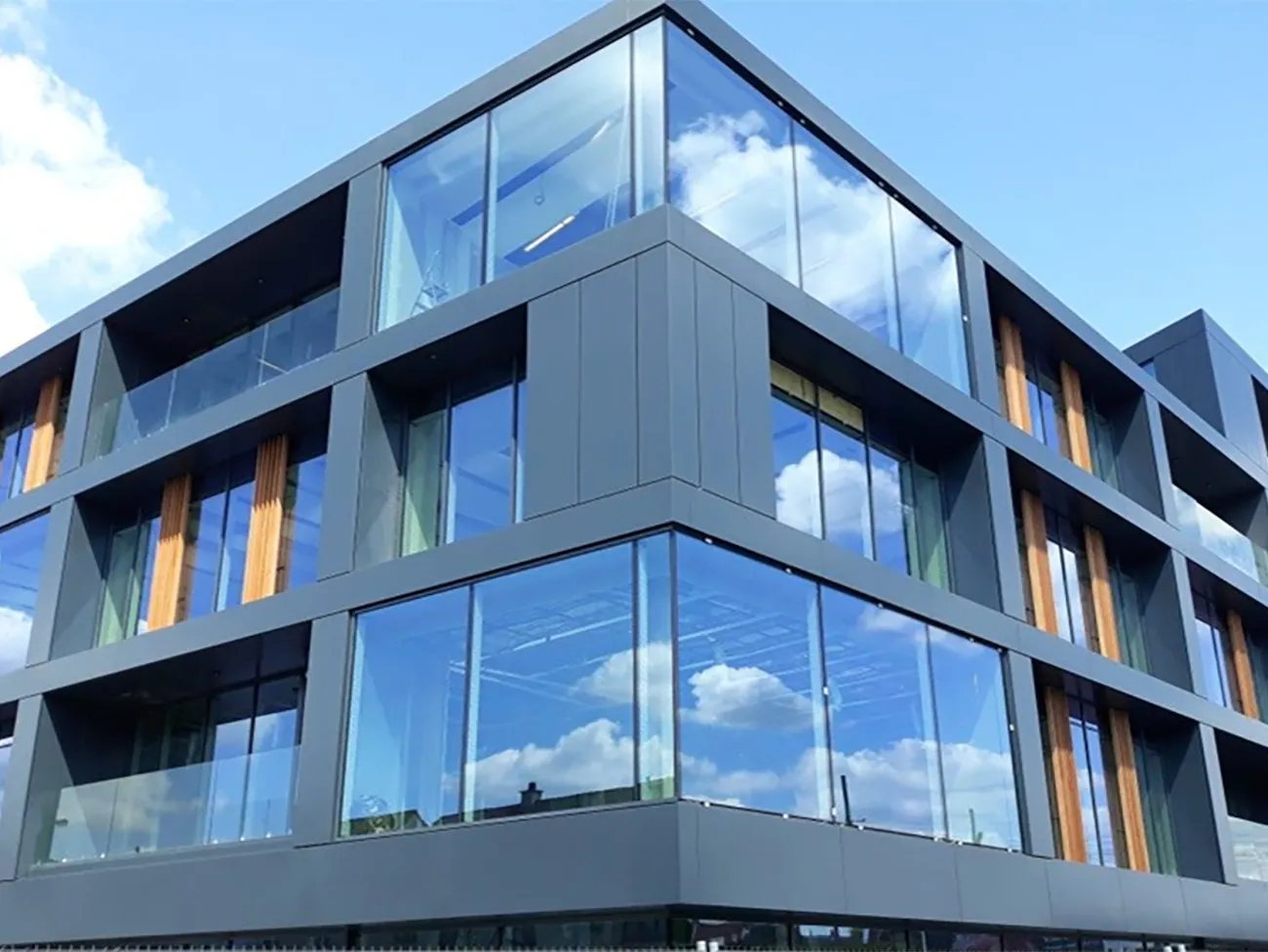
More and more of the projects we are involved in are building renovation and upgrade projects. The façade systems manufactured by Aluprof improve a building’s energy efficiency and reduce the amount of waste that would be generated during demolition. These solutions are better for the environment and the local community than putting up new buildings, explains Emmanuel Gregoire, Managing Director at Aluprof Belgium nv.
Waste reduction is already factored into the building design phase
In medicine, prevention is said to be better than cure, and the same is true of sustainable construction. The idea is to forecast the potential costs in the form of waste generated by building, and by any future modernisation or demolition. It is recommended that you:
- Avoid composite materials, especially those whose components cannot be separated,
- Limit the number of materials used, i.e. reduce the variety so that they are easier to recycle later,
- Use prefabricated materials,
- Use technological solutions that allow components to be connected in a visible and reversible way,
- Give preference to materials that can be upcycled.
Aluminium façade, window and door systems meet all these recommendations, emphasises Emmanuel Gregoire. Aluminium is one of the few materials that can be recycled almost 100%. Processing it allows us to recover construction material. Recycling aluminium scrap saves as much as 95% of the energy required to produce primary aluminium. Recycling it also reduces water pollution by 97% and air pollution by 95%, adds the Managing Director at Aluprof Belgium nv.
Recycling hubs
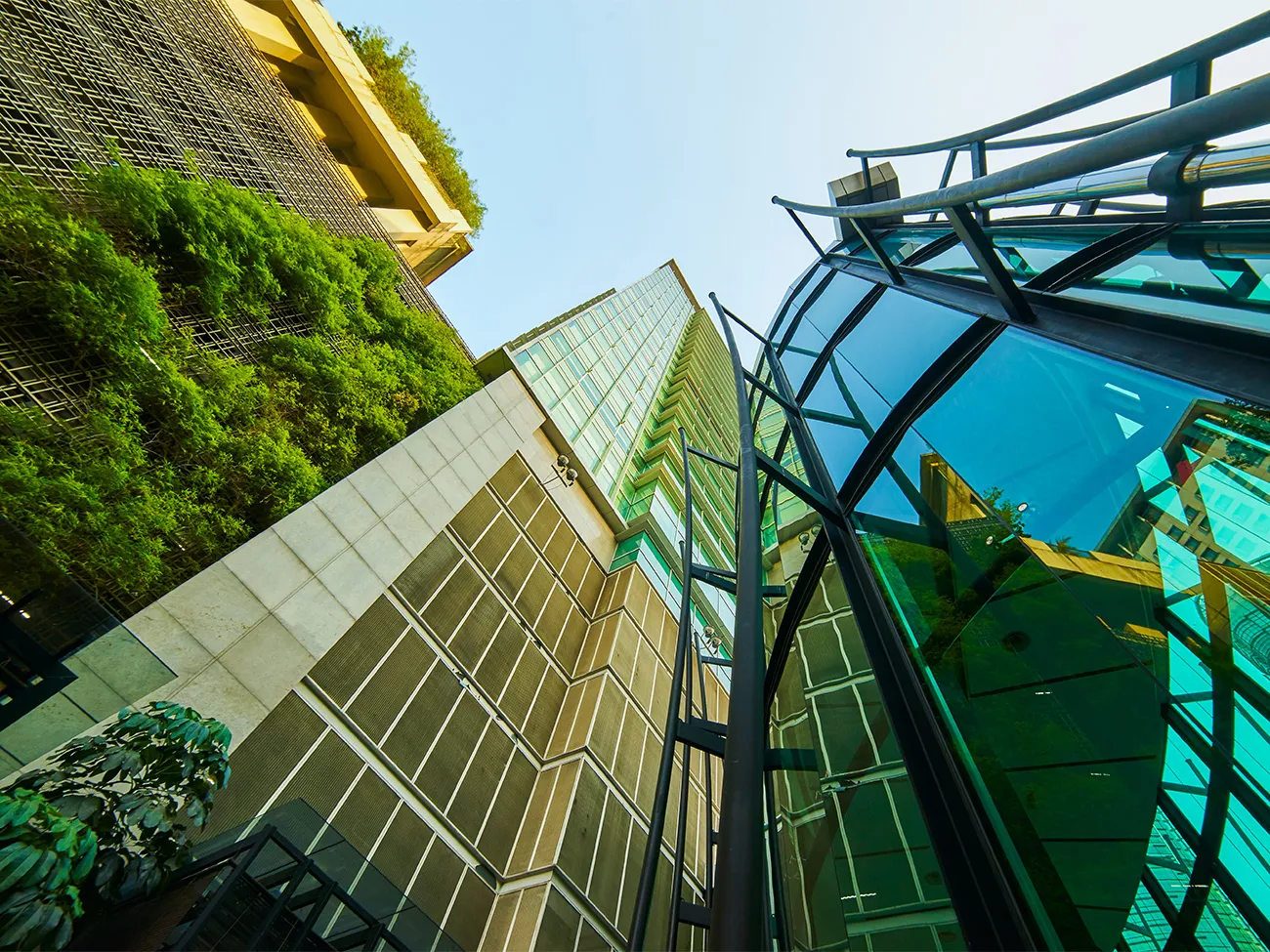
One project that deserves attention when it comes to recycling construction materials is the ‘recycling village’ at Vergote Dock. Its distinctive design promotes water recovery and solar energy generation. Its relatively close proximity to the city also means that transporting waste by water reduces the carbon footprint.
Another example of promoting recycling is the use of platforms that make it easier to buy construction materials from recycling companies. One such website is Opalis.eu, a directory of professional companies operating in Belgium where you can find a partner and materials for your project.
Certificates and attestations
How can you be sure that your chosen materials or technology supplier actually uses modern recycling methods? How can you be sure that the solution you choose reduces the number of stages in the building’s entire life cycle?
Certificates can help. One of the most important is the Cradle to Cradle certificate, awarded by the independent Cradle to Cradle Products Innovation Institute. It confirms that a particular product supports the circular economy.
This certification is not mandatory for manufacturers, but it does show that their product can actually be recycled, is safe for end users, has a positive impact on water management and limits its carbon footprint. At Aluprof, we have certified several of our systems. The bronze Cradle to Cradle certificate has been awarded, among others, to the MB-SR50N HI+ façade system and the MB-86 SI, MB-86 Casement, MB-86 ST, MB-70 and MB-70HI window and door systems, explains Emmanuel Gregoire.
Training and workshops
It is also very important to share knowledge about recycling construction waste and, more broadly, about sustainable construction. More and more initiatives of this kind are emerging. The Circular Training Days, held twice in Brussels as part of Build Circular.Brussels, are well worth mentioning. These meetings and training sessions give the sector an opportunity to exchange experiences and best practices, including in the field of material recycling.
In 2021, the Future Builders initiative was also launched with the support of Aluprof, providing a forum for discussion about the future of construction. The Future Builders platform enables construction experts, engineers, architects and investors, as well as specialists from other sectors, such as material processing, to exchange ideas. The most impressive result of these joint efforts is the publication of the free AluBook trend album.
Let’s build a better future
The current level of recycling in Belgium’s construction sector can serve as an example for the rest of the European Union. However, we should not rest on our laurels. There is still a great deal to be done, particularly if Brussels wants to fully implement the circular economy.
Question about this story? Ask your question
Keep following this
Get an email when a new story is published. No account needed.
- ThemeCircular construction and demolition
- SubjectNews







