












Glucose sensor made from reusable, recyclable components
Text Valérie CouplezImage OVAM en Vlaanderen Circulair
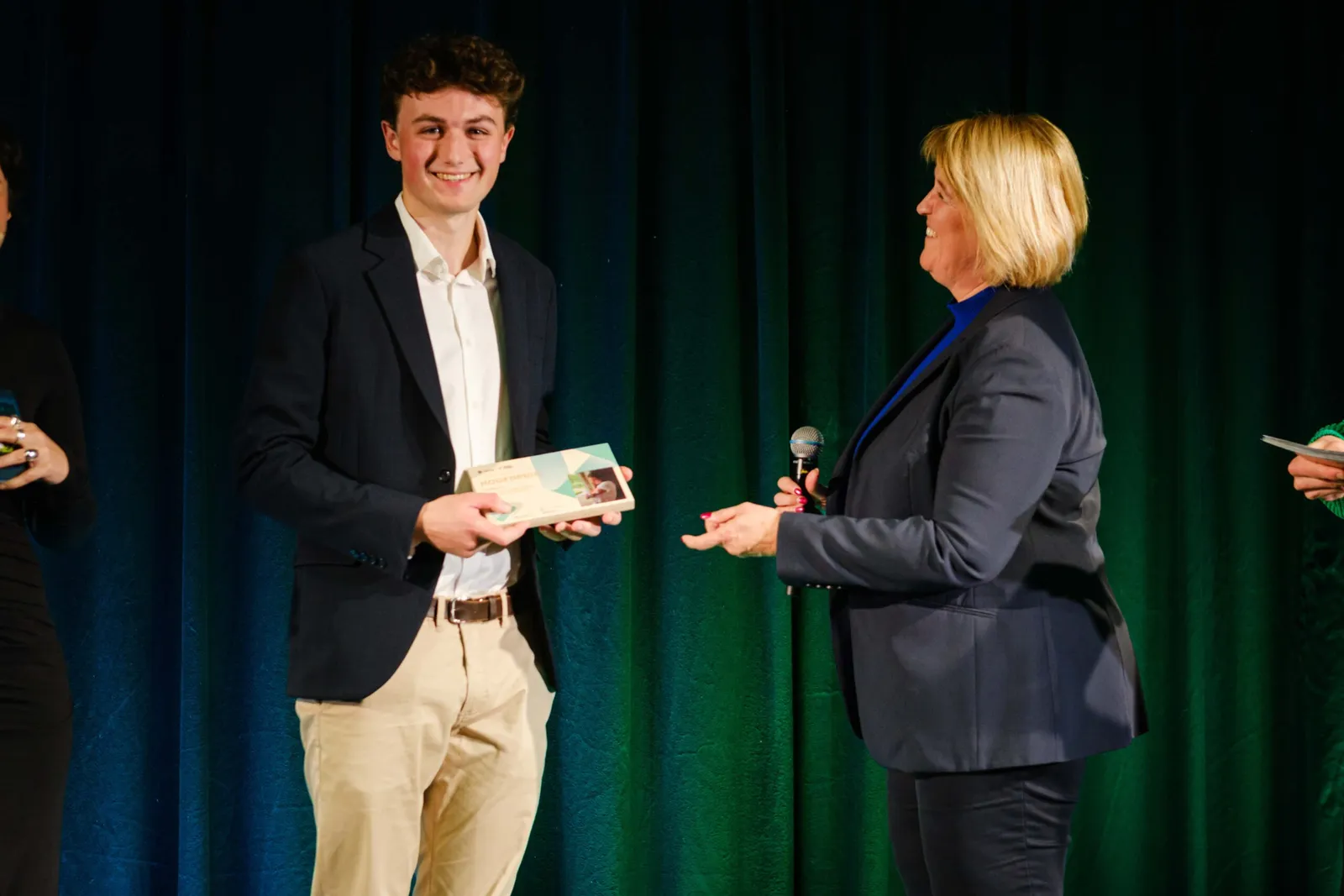
Each year, OVAM and Vlaanderen Circulair challenge students to think up truly circular solutions that can change the world. Those who devote their final project or thesis to this can win an Ecodesign Award with a circular, sustainable or ecological product or service. There are six awards in total: one overall winner and five category winners, in business potential, industrial design, sustainable innovation, human interest and inspiring design. Entries for the 2025 edition are now open, but in this article we would like to take another look at the 2024 winners.
We begin with the top prize. It went to Tobías van Oudheusden for Lumeco, a sustainable alternative to the glucose sensor. “More and more people with diabetes use a glucose sensor to monitor their blood glucose levels. It currently needs to be replaced with a new one every one to two weeks. To avoid this waste, I designed Lumeco with reusable components,” says the recent graduate in product development from Universiteit Antwerpen. Used components are collected via hospitals and the postal service, then recycled. The material is then used in the production of new components, creating a fully closed loop.
Reducing the environmental footprint of people with diabetes
He did not have to look far for inspiration. “I have type 1 diabetes myself and have been using these sensors for a long time. The technology has benefits, but it also creates a lot of waste. That bothered me. Conversations with other users and healthcare professionals showed that I was far from alone in feeling this way.” Lumeco’s reusable components can therefore help people with diabetes reduce their environmental footprint. “The quickest way to make an impact would be for an existing glucose sensor manufacturer to take up Lumeco. That is what I hope will happen.”
Business Potential
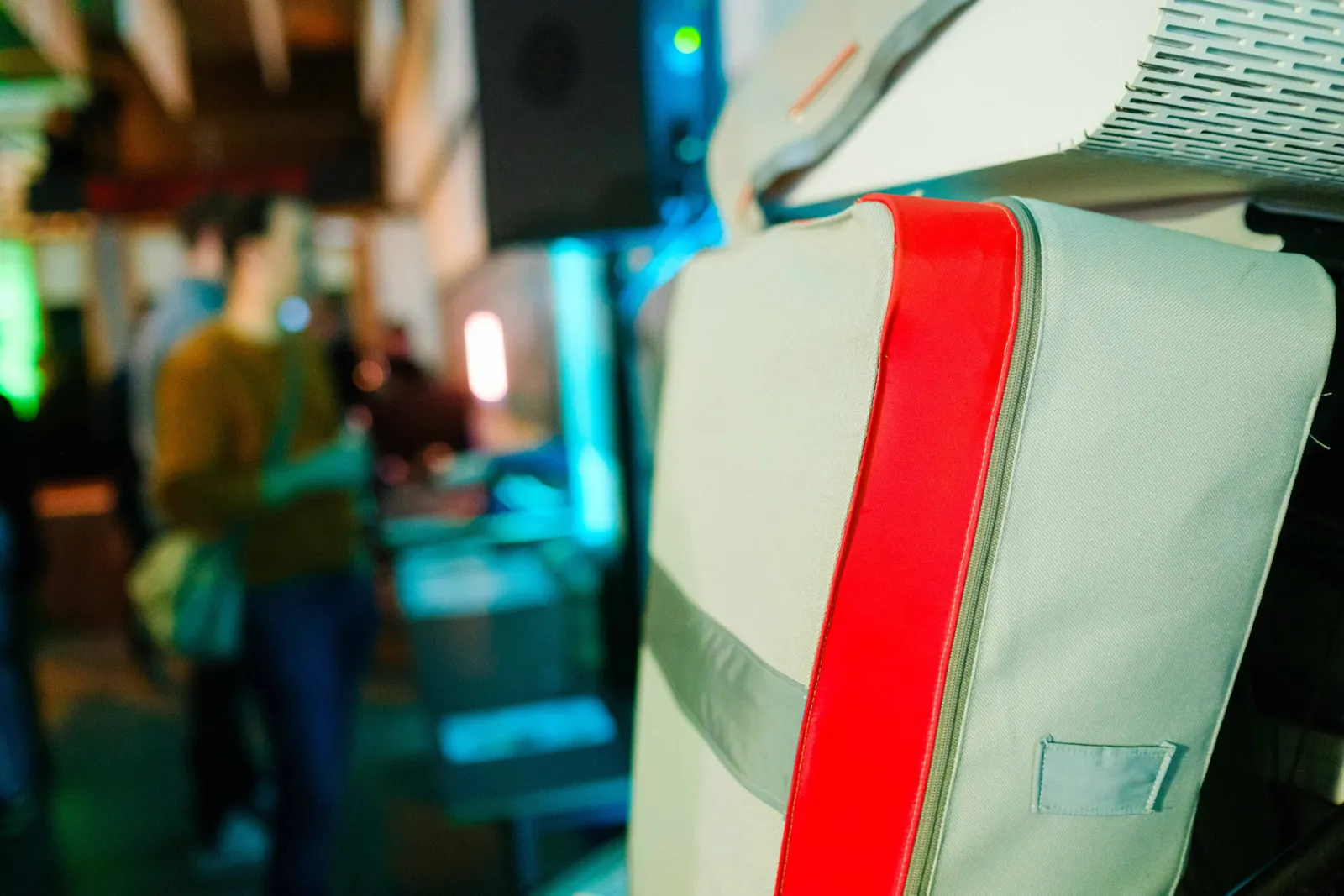
This award recognises a project underpinned by a carefully thought-out circular business model, enabling it to reach the market at the touch of a button. In the jury’s view, Evelyne Van Dooren’s Care.ri best met this description. It is a modular, demountable set of bags designed for nurses and midwives who make home visits by bicycle in urban areas. The bike bags are also waterproof and theft-proof, so users do not have to keep bringing less-used materials or personal belongings indoors. The concept could also be used by other home-visit services, such as hairdressers, technicians and vets.
Industrial Design
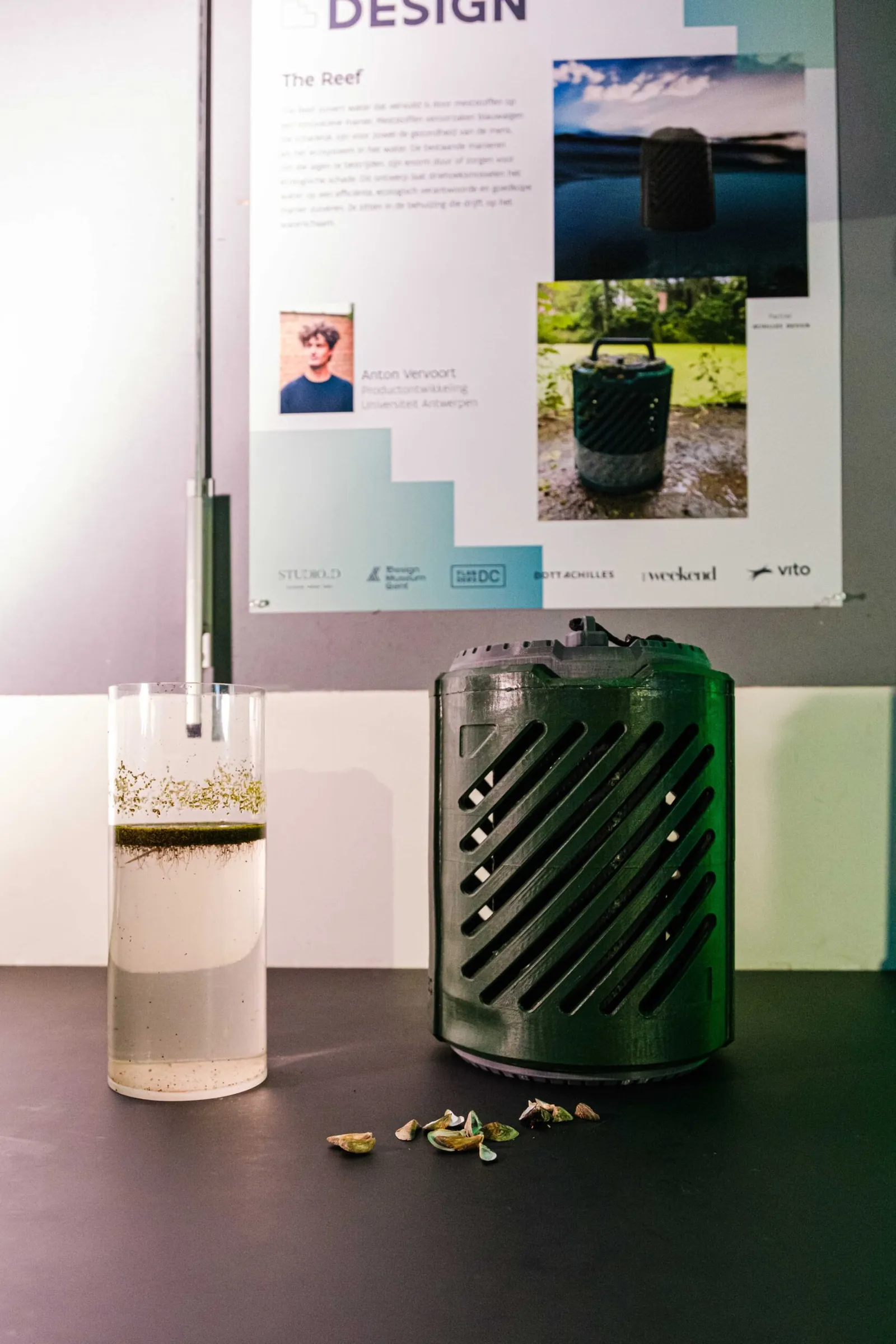
Projects that stand out for their innovative, unique industrial design and take sustainable use of materials into account are eligible for the Ecodesign Award in the Industrial Design category. Anton Vervoort impressed the jury with The Reef, a floating structure containing zebra mussels. They can purify water efficiently, in an environmentally responsible and low-cost way, by removing blue-green algae, which are often caused by fertilisers. Existing methods of tackling them are extremely expensive or cause environmental damage.
Sustainable Innovation
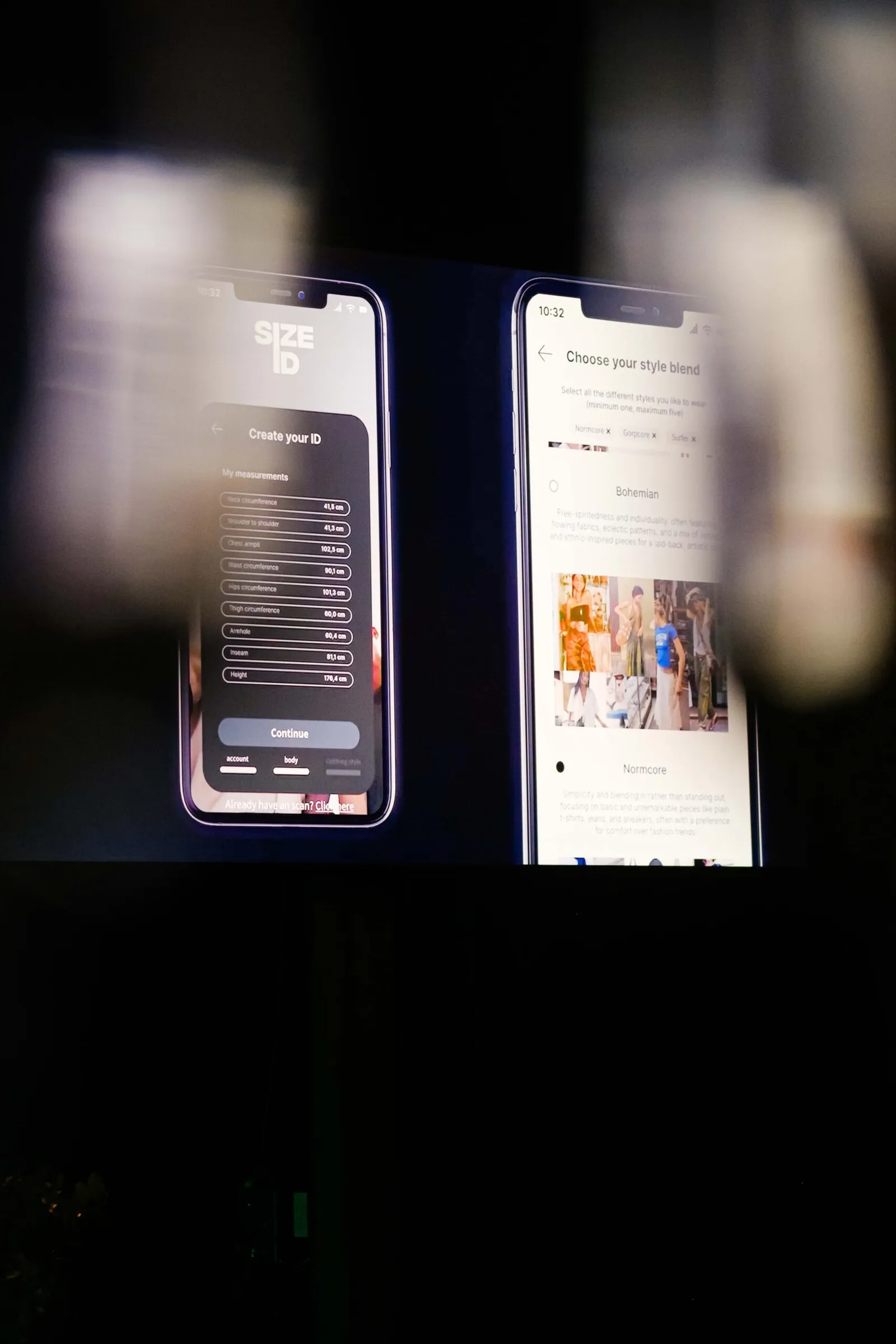
Not every project is far enough along to lead to the development of a prototype. But extensive and innovative research can provide a foundation for sustainable innovations. The jury therefore recognised Victor Kusters’ Size-ID. Using a body scan, the app estimates the consumer’s size and fit to better predict which clothes will suit them. Matching body shape and style can be used as a search filter to find well-fitting clothes efficiently. Conversely, users can scan their own clothes and get inspiration from how others style similar items. This is intended to reduce returns when shopping online and encourage the purchase of second-hand clothes.
Human Interest and Inspiring Design
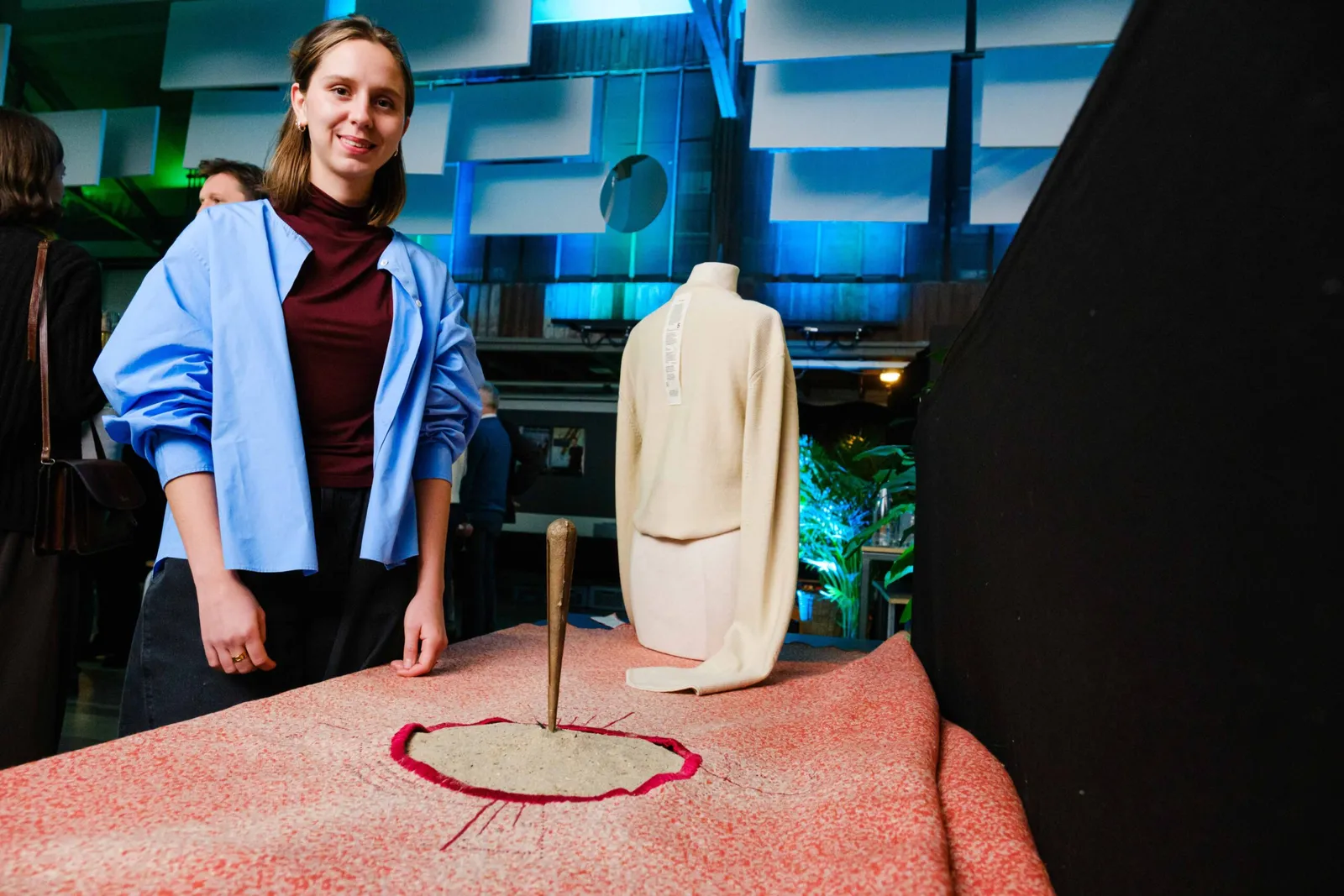
Kate Herbots’ Residents of the Solar People kills two birds with one stone. It comprises a range of designs made from UV-sensitive textiles. The sheet and jumper help people manage their exposure to the sun, making polluting sunscreens and dietary supplements unnecessary. The beautiful, social and circular story behind the project also brings people together in a positive way. At the same time, it is an inspiring design based on a visionary concept, which stands out for its experimental use of materials, innovative technique and striking form.
Jury Prize
Finally, the jury, made up of the partners Flanders DC, VITO, Design Museum Gent, Knack Weekend, Dott Achilles and Studio D, also awarded a Jury Prize. It went to Egon Lobbestael’s Polystep. He developed an affordable lower-leg prosthesis for people in developing countries using locally available materials, such as plastic from bottle caps, and standard components. The design enables users with limited means to resume basic activities. It costs 11 euros per unit, with an initial investment of around 2,500 euros to manufacture and recycle everything locally.

Twenty projects approved
OVAM and Vlaanderen Circulair also encouraged professionals to come forward with innovative projects in ecodesign and systems thinking. Twenty entries received a welcome Christmas present: they will share almost 2 million euros in financial support made available by Minister for the Environment Jo Brouns. The successful projects are:
- Circuleren
- Design for Details
- Inventarisatie van medische instrumenten
- Tegen de reststroom in
- cOllectibles
- Straalhub@Nieuwpoort
- -KegCycle
- Everpax
- AI-Powered Circular Design
- Circube
- Revaluing the Belgian wool stream for interior objects
- Smart packaging DESIGN for better sorting and quality recycling
- Build, DE-Build & RE-Build
- Fashion DNA
- Pirrouet Droogstapelsysteem
- A Circular Kitchen @ your service
- FairVacuum
- Greenhouse: revenue and collaboration model for bio-ecological shared homes
- CirculariTREE
Een zakelijke vraag aan OVAM? Get in touch
Companies in this story

Keep following this
Get an email when a new story is published. No account needed.
- SubjectNews
- CompanyOVAM







