












Global payment card recycling programme
Text Roel van GilsImage Mastercard

Mastercard, one of the world’s largest payment processing companies, is launching a groundbreaking initiative to recycle the huge number of payment cards in circulation each year. The programme aims to reduce plastic waste by ensuring that issued cards do not end up in landfill.
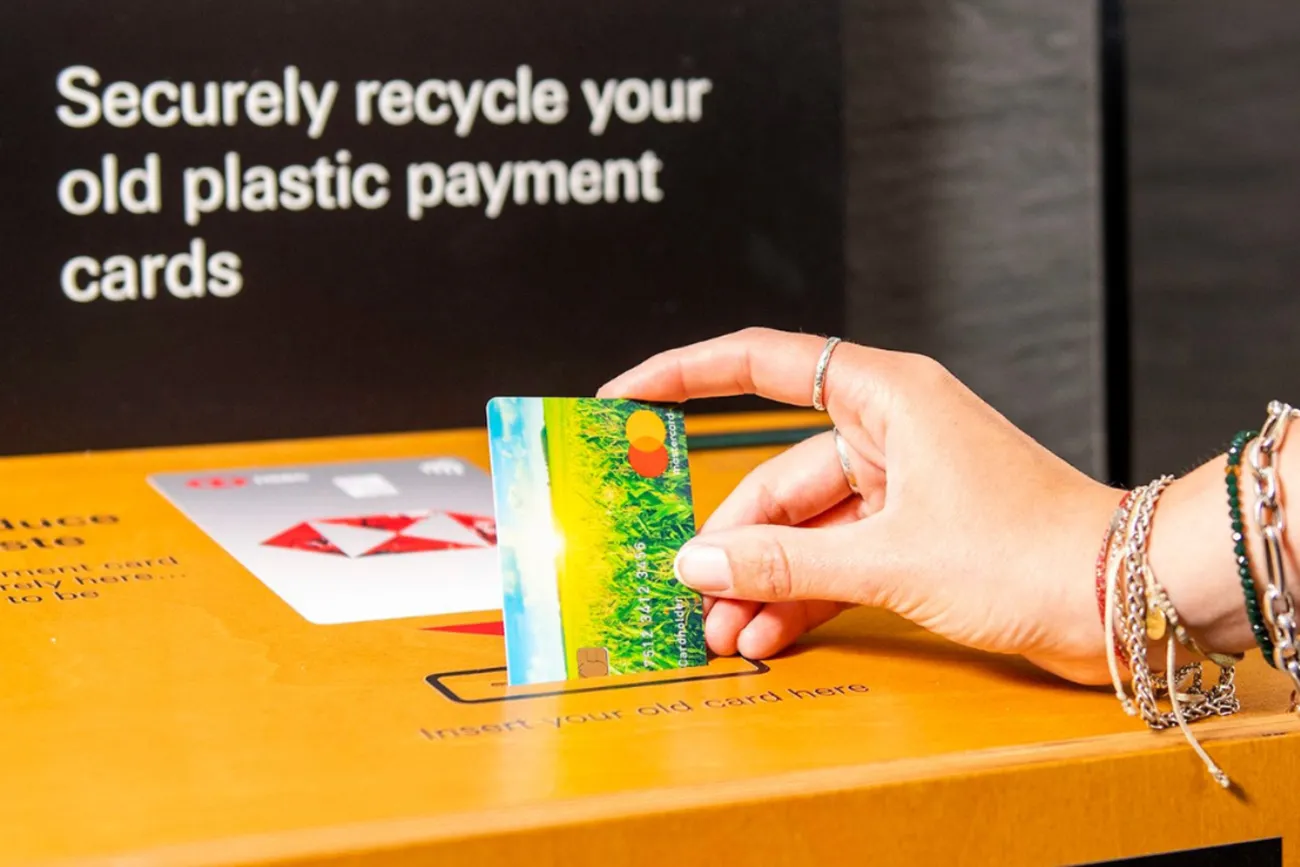
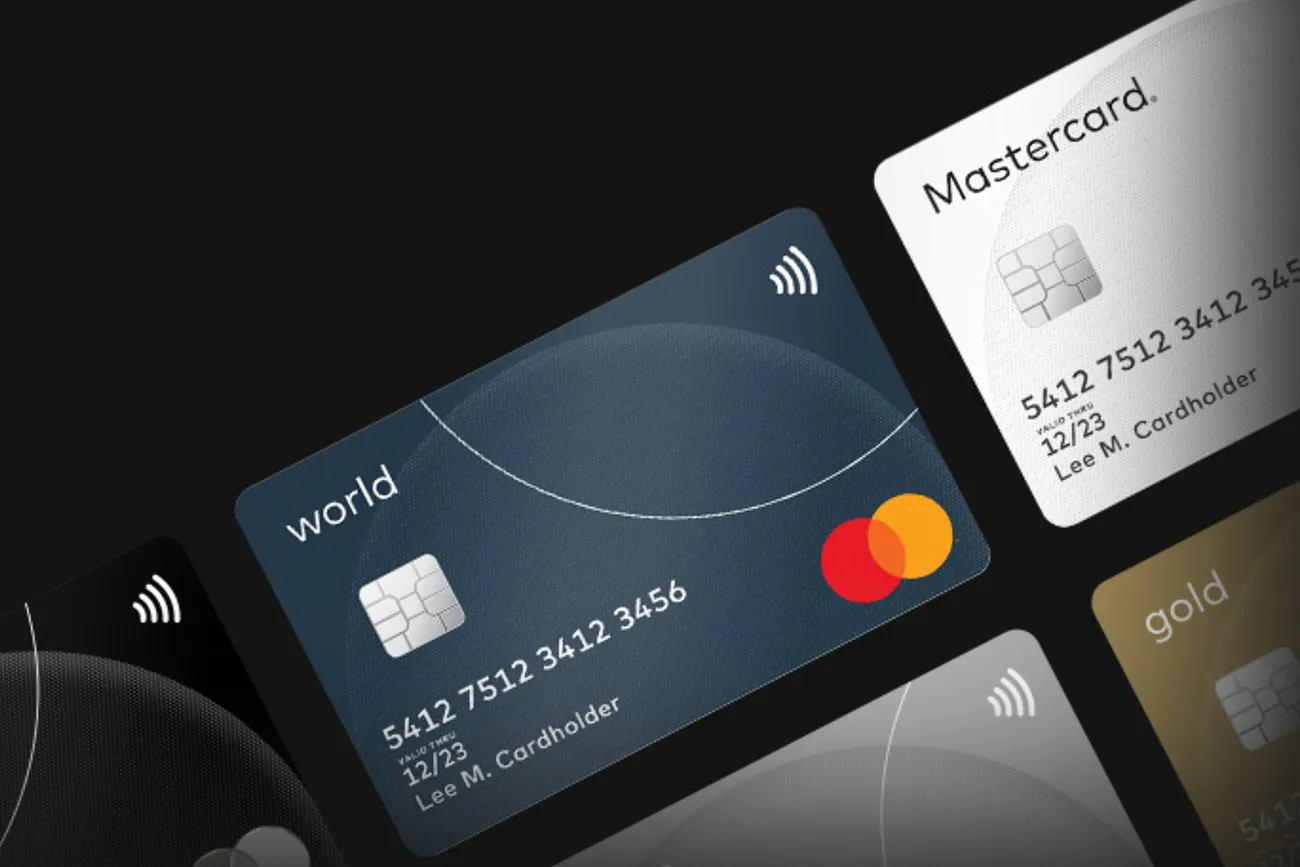
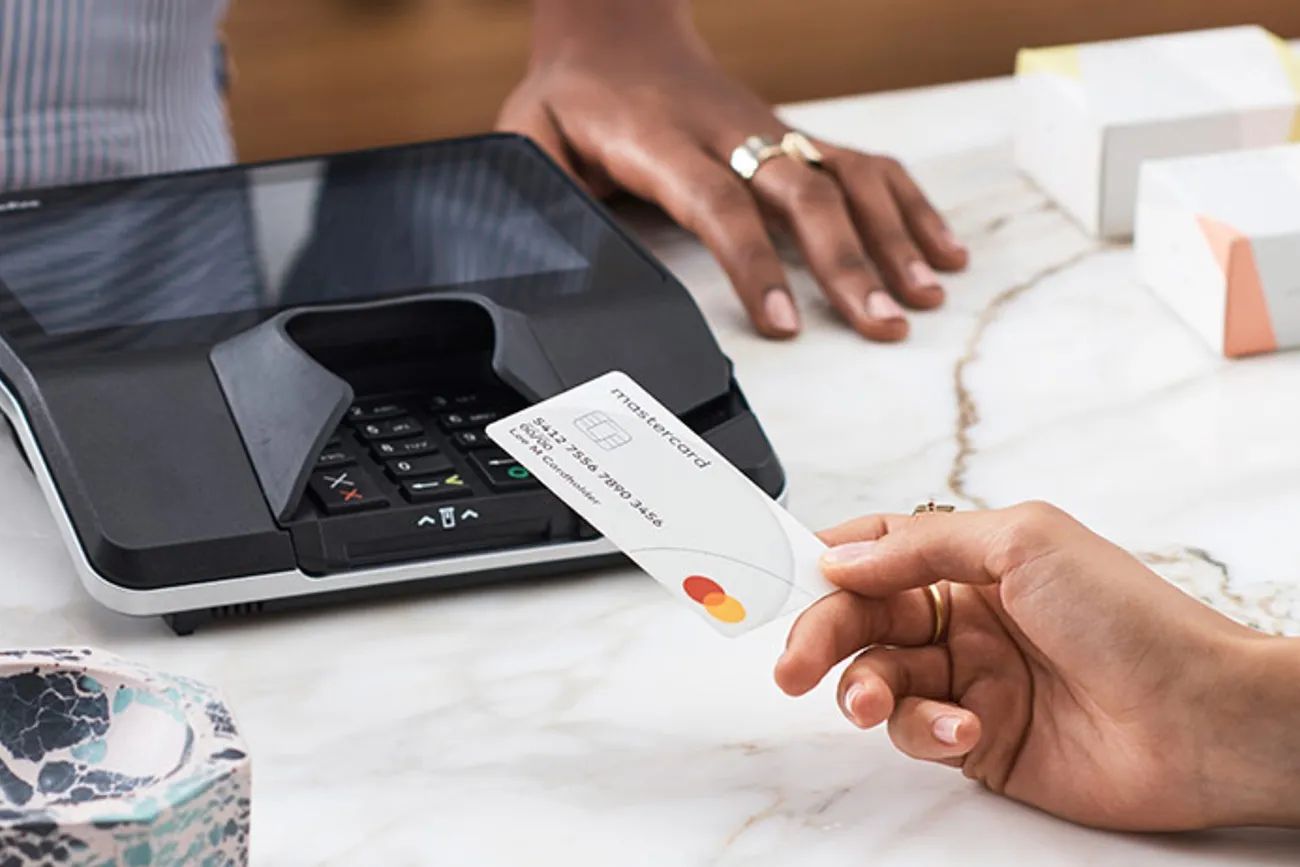
Today’s payment card packs enormous power into a thin piece of plastic: a microchip that processes purchases securely, a wire antenna that winds through the card to enable contactless transactions, a hologram to foil counterfeiters and much more. It is the result of decades of innovation and collaboration across the industry. But one element has remained largely unchanged: the plastic itself. Most of the 25 billion cards in circulation today are made from single-use plastics that cannot break down. The metal and other materials incorporated into the cards make them difficult to recycle. As a result, the vast majority end up in landfill sites already clogged with plastic.
A collective effort
According to Ajay Bhalla, President of Cyber and Intelligence at Mastercard, a collective effort is needed to tackle this. “That is our mantra as we look for ways to reduce our environmental impact, including our recent decision to require all new payment cards to use sustainable materials from 2028, and our work to drive the long-standing shift towards digital payments. This includes our Digital First card programme, which allows cardholders to opt out of having a physical card altogether.” Mastercard is moving towards a future in which all plastic cards can be easily recycled, whether at your bank, your local shop or your municipal recycling centre, helping to make a small but meaningful dent in the plastic pollution crisis. “The innovation and collaboration that have brought us the payment cards we issue today can and must be harnessed to recycle them safely and sustainably.”
A blueprint for recycling
Mastercard has launched a blueprint for payment card recycling that can be adopted around the world, covering collection, transport and recycling. “We are asking our global partner network to help us set this up, starting in the UK with HSBC, which is now offering card recycling at selected branches,” says Ajay. “Cardholders can deposit their expired payment cards in secure, dedicated collection boxes at bank branches. For added peace of mind, the cards are shredded in the collection box so that card details cannot be stolen, and the chip is destroyed. The shredded waste is then sent to our recycling partner. In the UK, that is TerraCycle, which has been tackling hard-to-recycle products for more than 20 years, from toothpaste tubes and mascara tubes to water filters and coffee pods. The shredded card waste is then sorted, and the plastic is turned into pellets and powders that can be reused in other products.”
Ocean plastic and bioplastic
Since 2018, DigiSec Lab in northern England has been researching ways to recycle plastic cards and develop more sustainable cards on behalf of Mastercard, examining their physical and chemical composition. “We also look at the amount of energy used, carbon emissions and waste generated in card production. Cards that meet our stringent standards for a sustainable card earn our eco-friendly card approval badge. Since 2021, more than 403 financial institutions and fintechs in 92 countries have joined our journey towards more sustainable payments by issuing 235 million Mastercard cards made from approved recycled, recyclable and bio-based materials, including recycled ocean plastic and bioplastic made from sugar or maize. Driving the evolution of the payment card towards a more sustainable future is the next, and necessary, step. We are calling on all card issuers to work with us to recycle expired cards.”
Question about this story? Ask your question
Keep following this
Get an email when a new story is published. No account needed.
- ThemeMaking plastics and packaging circular
- SubjectNews







