












Galloo invests in a second barge
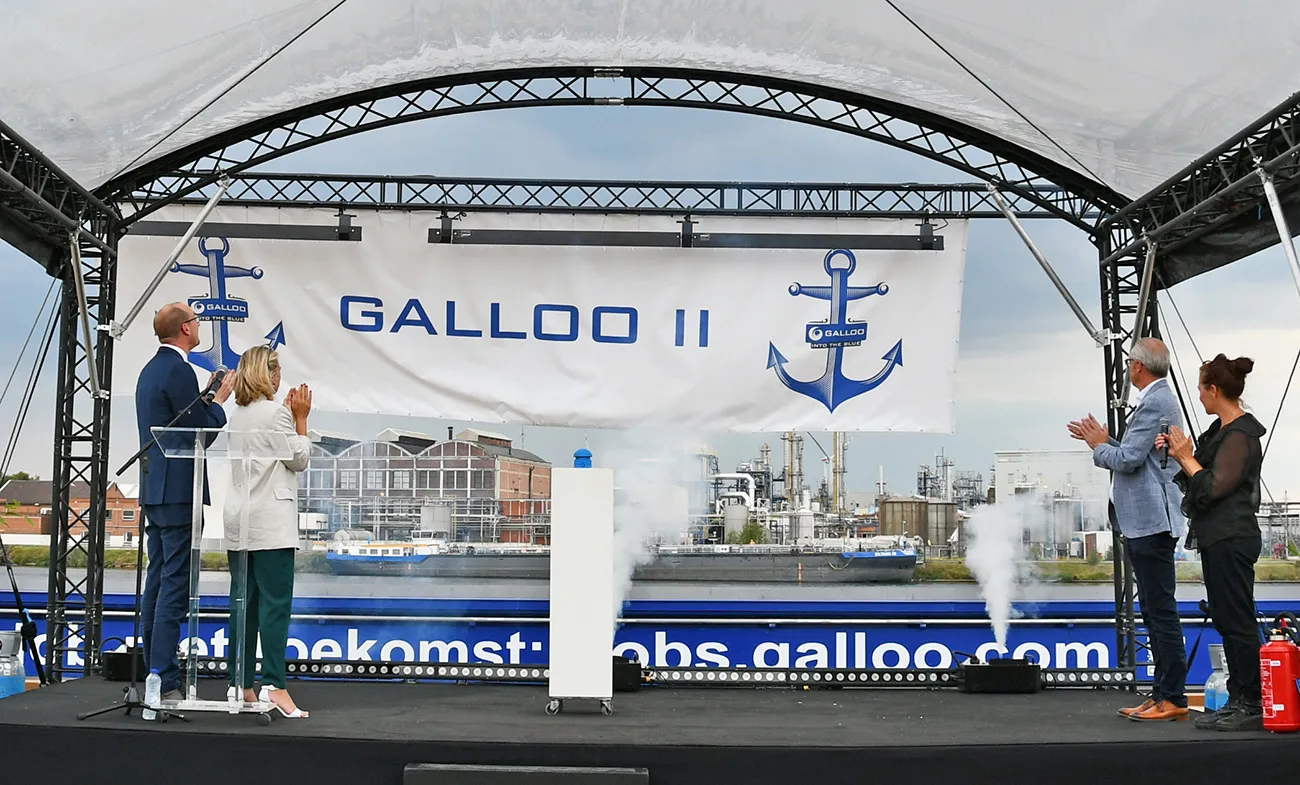
As a market leader in the sector, Galloo recycles 1.5 million tonnes of ferrous metals, 200,000 tonnes of non-ferrous metals and 40,000 tonnes of plastics each year. But sustainable business practices involve more than simply turning waste into circular raw materials. Sustainable transport is also an essential part of this. Galloo Gent, in the heart of the Port of Ghent, plays an important role in transport by water.
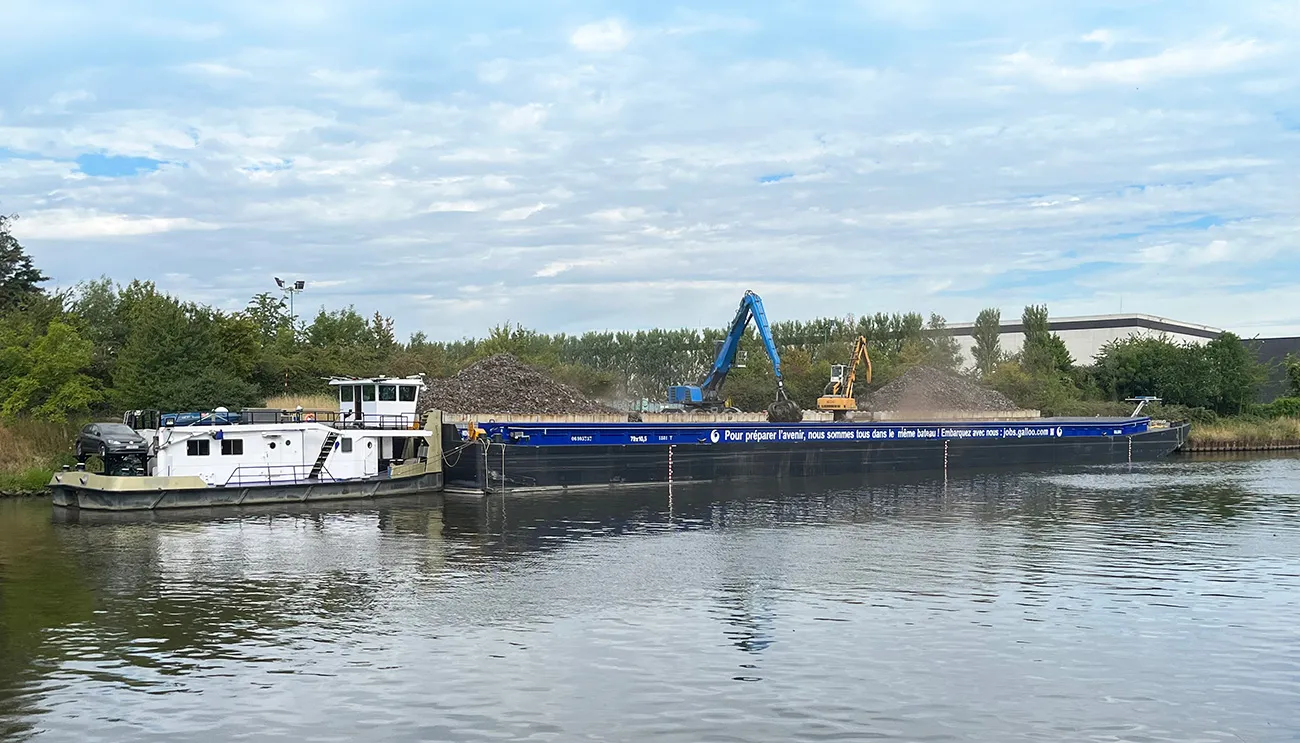
4 years ago, Galloo invested in its first barge, GALLOO I, to upgrade transport on inland waterways. With a capacity of 2,294 tonnes, the barge carried 120,000 tonnes of scrap last year. This investment took 5,000 lorries off the road each year. Following the success of GALLOO I and as part of its ongoing commitment to climate-friendly solutions, Galloo acquired GALLOO II. The barge has a cargo capacity of 1,850 tonnes and will further boost sustainable transport between our branches, the Port of Ghent and our customers.
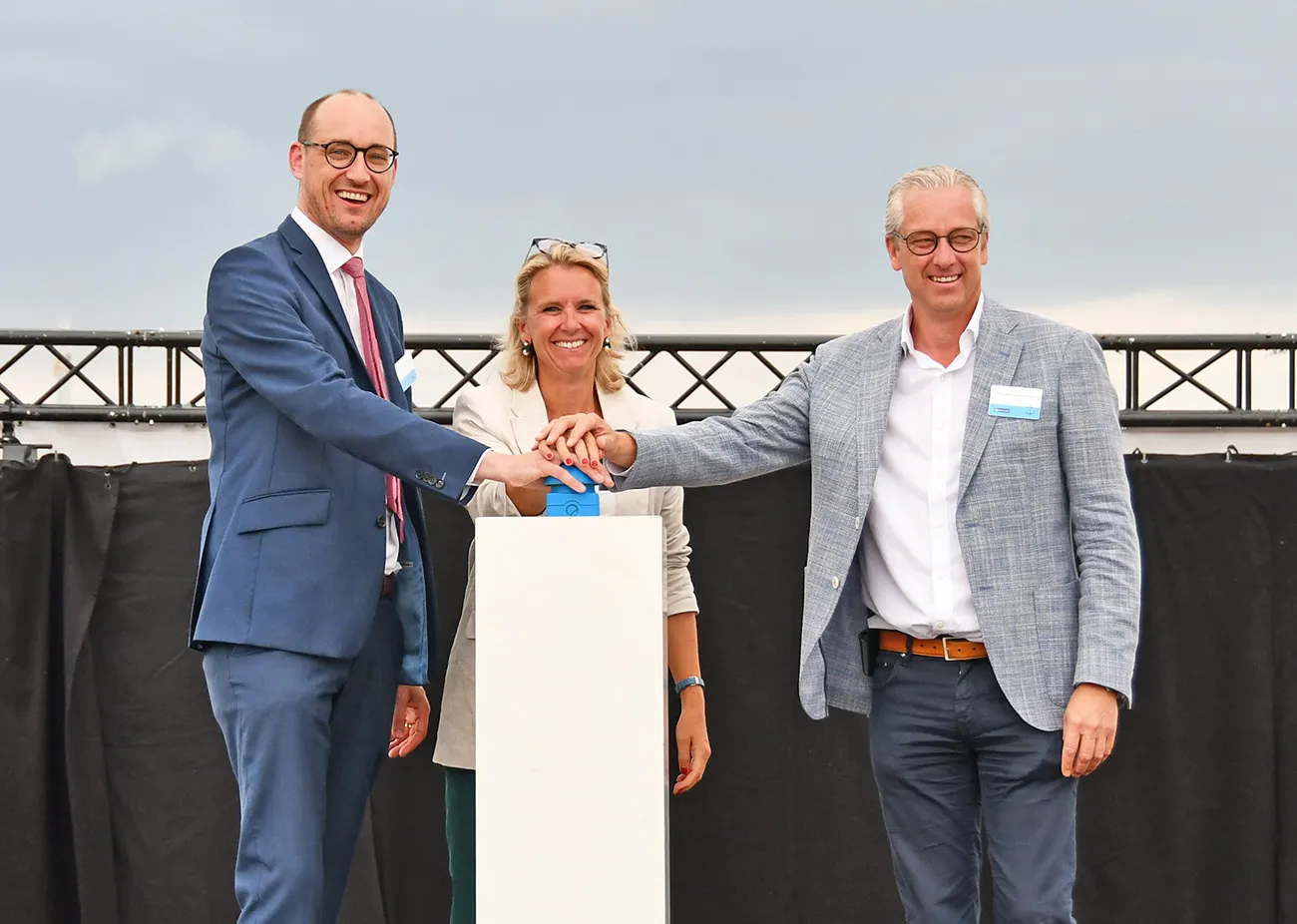
An environmental choice by a recycling-sector pioneer
Galloo has been using inland vessels to transport scrap to and from the Port of Ghent for years, and now has a second barge of its own. Transporting goods by water offers many advantages, especially compared with road transport. It is efficient, better for the environment and considerably cheaper. Scrap is particularly well suited to transport by water: it does not perish and is ideal for bulk transport.
Managing Director Pierre Vandeputte puts the investment in the context of sustainable business practices: “As a pioneer in the recycling sector, we have a responsibility to choose sustainable mobility solutions. In 2018, we opted for inland shipping with ‘Galloo I’. It soon became clear that our economic growth would allow us to expand the fleet. We are also seeking to adapt new and existing sites for water transport, or to find transhipment quays nearby.”
Port of Ghent as a key hub
Galloo has been active in the Port of Ghent for 20 years and has an excellent relationship with North Sea Port, which supported the purchase of the barge. “The circular economy is a key pillar in creating a climate-neutral port. Materials and raw materials should therefore be reused as much as possible as new raw materials. Metal recycling supports this ambition of North Sea Port. The investment in a new barge also demonstrates Galloo’s further establishment of its activities in North Sea Port and helps increase exports,” says Daan Schalck, CEO of North Sea Port.
Technical specifications
- Length: 78 metres
- Width: 10.5 metres
- Payload: 1,850 tonnes
- Draught : up to 3 metres (currently limited to 2m50)
Seine-Scheldt Flanders
The new barge was built to operate optimally on the Leie, but this required compromises in terms of length, width, limited draught and low bridges.
With a second barge of its own now in service, Galloo is eagerly anticipating further developments in the ‘Seine Schelde Vlaanderen’ project. The Belgian and French authorities aim to improve the waterway between the Seine and the Scheldt through this project. This upgrade is essential for Galloo to organise efficient inland shipping, with deeper channels, wider passing places and sufficient clearance beneath bridges.
Question about this story? Ask your question
Keep following this
Get an email when a new story is published. No account needed.
- ThemeRecovering metals and creating value
- SubjectNews







