












From nappy to raw material
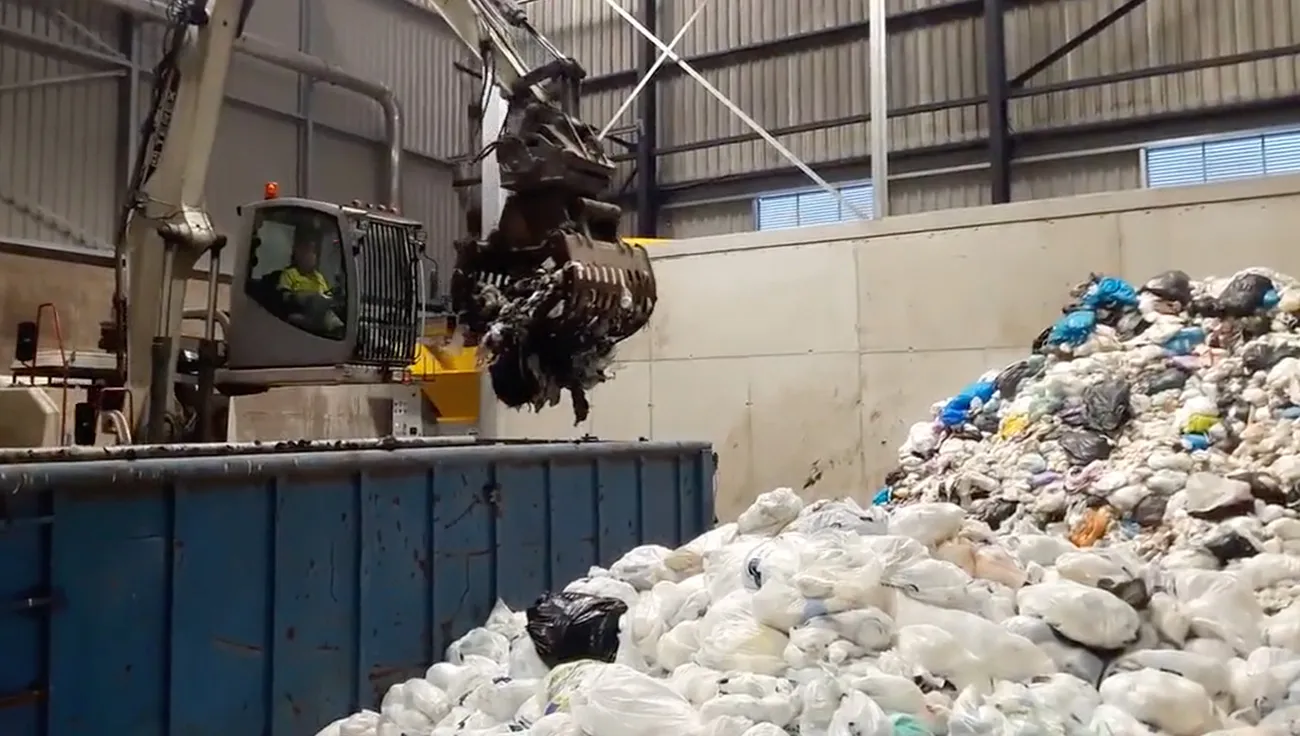
Recycling used nappies into street furniture or flower pots? And saving a tonne of CO2 in the process? Elsinga BV proves it can be done. The latest circular economy initiative has now been launched at the ARN BV site: recycling used baby and incontinence nappies. This was made possible with financial support from the European Regional Development Fund (ERDF) and the Dutch government’s Sustainable Energy and Innovation Subsidy Scheme (DEI+).
Nappies make up a significant proportion of household residual waste from families with young children and from older people. Large quantities are also generated at healthcare facilities. Elsinga has found a way to tackle this problem. Together with ARN and the neighbouring wastewater treatment plant operated by Waterschap Rivierenland, it is recycling nappy waste sustainably.
40 bar steam
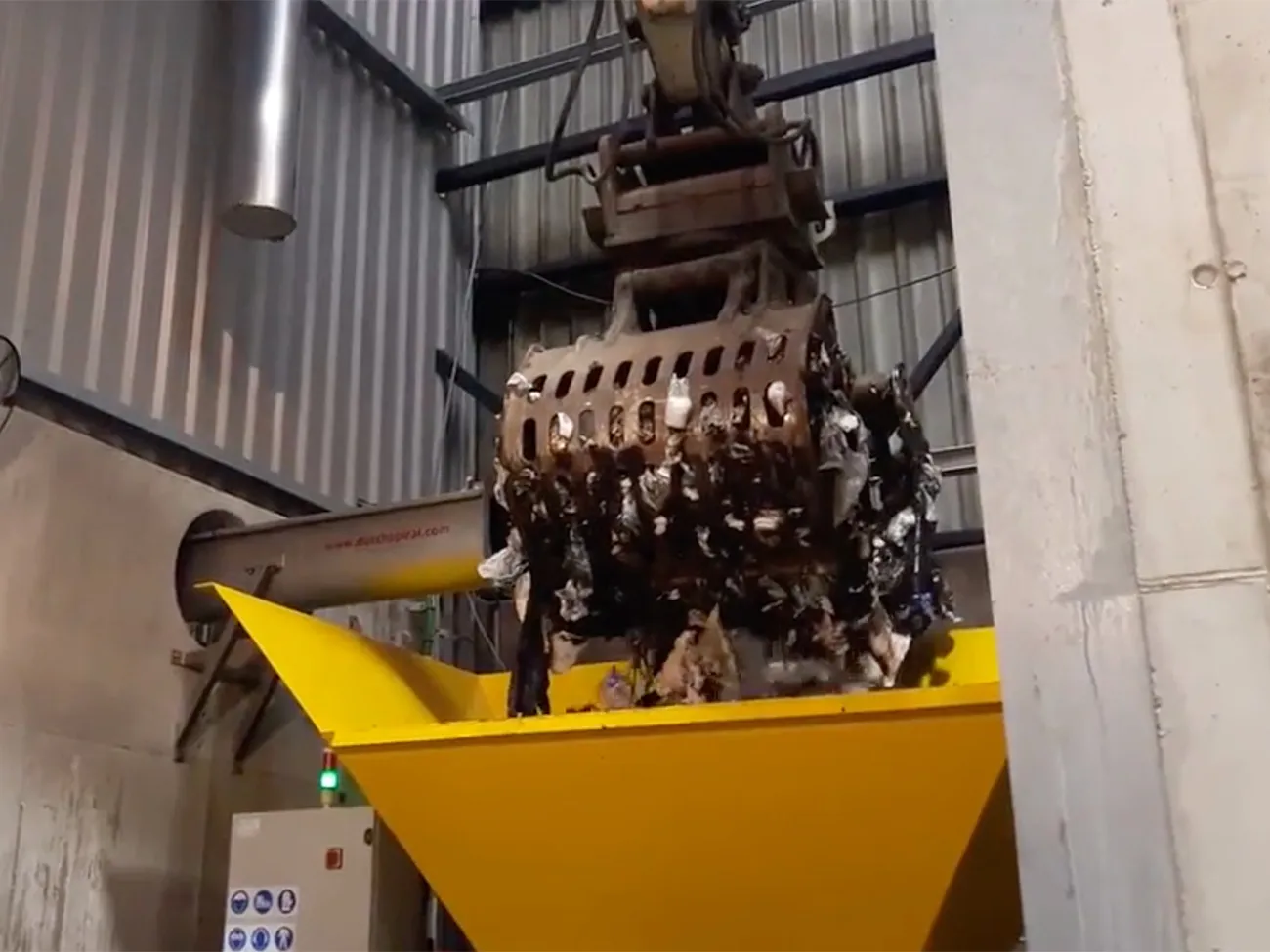
“First, the used nappies are fed into the system, where a shredder grinds them up,” says director Willem Elsinga. “The nappies are then transferred to a reactor vessel and mixed with sludge from the wastewater treatment plant. The mixture is heated to 250 degrees Celsius using 40 bar steam and stirred until it becomes a slurry. The plastic outer layer of the nappies melts, any traces of medicines are broken down and pathogens are killed. This last step is truly unique and has not been demonstrated with other nappy recycling technologies. After a while, the pressure in the vessel is released, causing the temperature to fall. The plastic particles from the nappies then solidify and float to the surface of the liquid. The reactor vessel is then emptied. The plastic parts are sieved out of the slurry and sent to the plastics recycling industry, where they are processed into granules for making new products such as planks, street furniture or flower pots.”
Biogas and cake
The organic residual product is also fully reused. Elsinga says: “The slurry, including the treated wastewater sludge, is converted into biogas and cake. The biogas is used as green energy, while the cake is used to make compost and ammonium sulphate (artificial fertiliser). This closes the loop and saves almost a tonne of CO2 overall. The plant processes millions of nappies, currently sourced from more than 40 municipalities in the Netherlands. That already represents around 12 to 13 per cent of all municipalities in the Netherlands.” The plant was built by waste processor ARN, while Elsinga holds the patent. “We were able to take this step partly thanks to the Sustainable Energy and Innovation Subsidy Scheme (DEI+),” Elsinga concludes.
Want to find out whether your business may also be eligible for a subsidy? Check at rvo.nl/subsidies-financiering.
Question about this story? Ask your question
Keep following this
Get an email when a new story is published. No account needed.
- SubjectNews







