












First collection hub for high-quality woody biomass
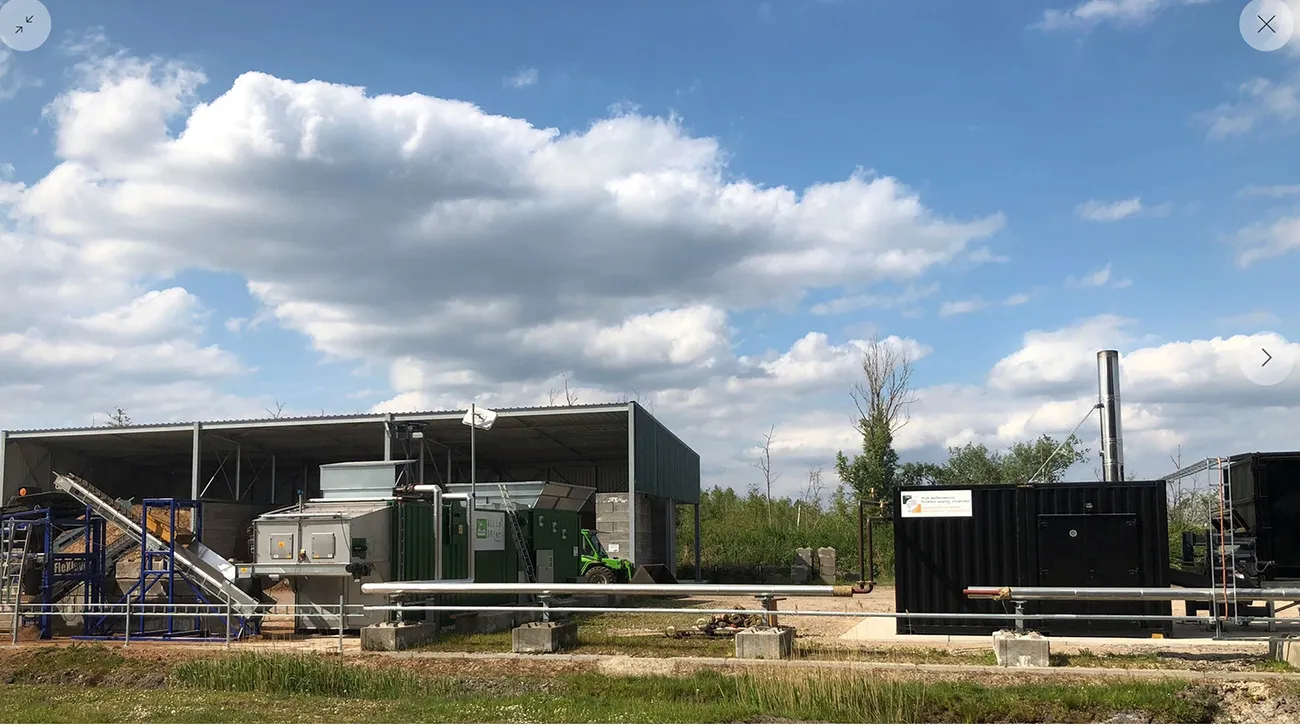
Collecting wood arising from nature management in Limburg and finding environmentally friendly, sustainable and economically valuable uses for these products. This is the mission of the Biomassaplein in Houthalen-Helchteren. The first hub of its kind in Flanders officially opened in June.
Circular economy, biomass, CO2 reduction, sustainable economy, short supply chains. These are familiar concepts, often invoked in the fight for a liveable environment and a healthy climate. Limburg, Flanders’ greenest province, is taking up this challenge. One of the latest initiatives in this area is the Biomassaplein. Whereas residues from nature management were once considered waste, they are now seen as valuable products for new applications. The Province of Limburg (through the LSM channel) is not acting alone. It has the support of Regionaal Landschap Lage Kempen (a partnership between government bodies, nature associations, agricultural organisations, heritage organisations, wildlife management units, private landowners and tourism associations), which supplies the biomass, and Bionerga, whose site in Houthalen-Helchteren is home to the Biomassaplein.
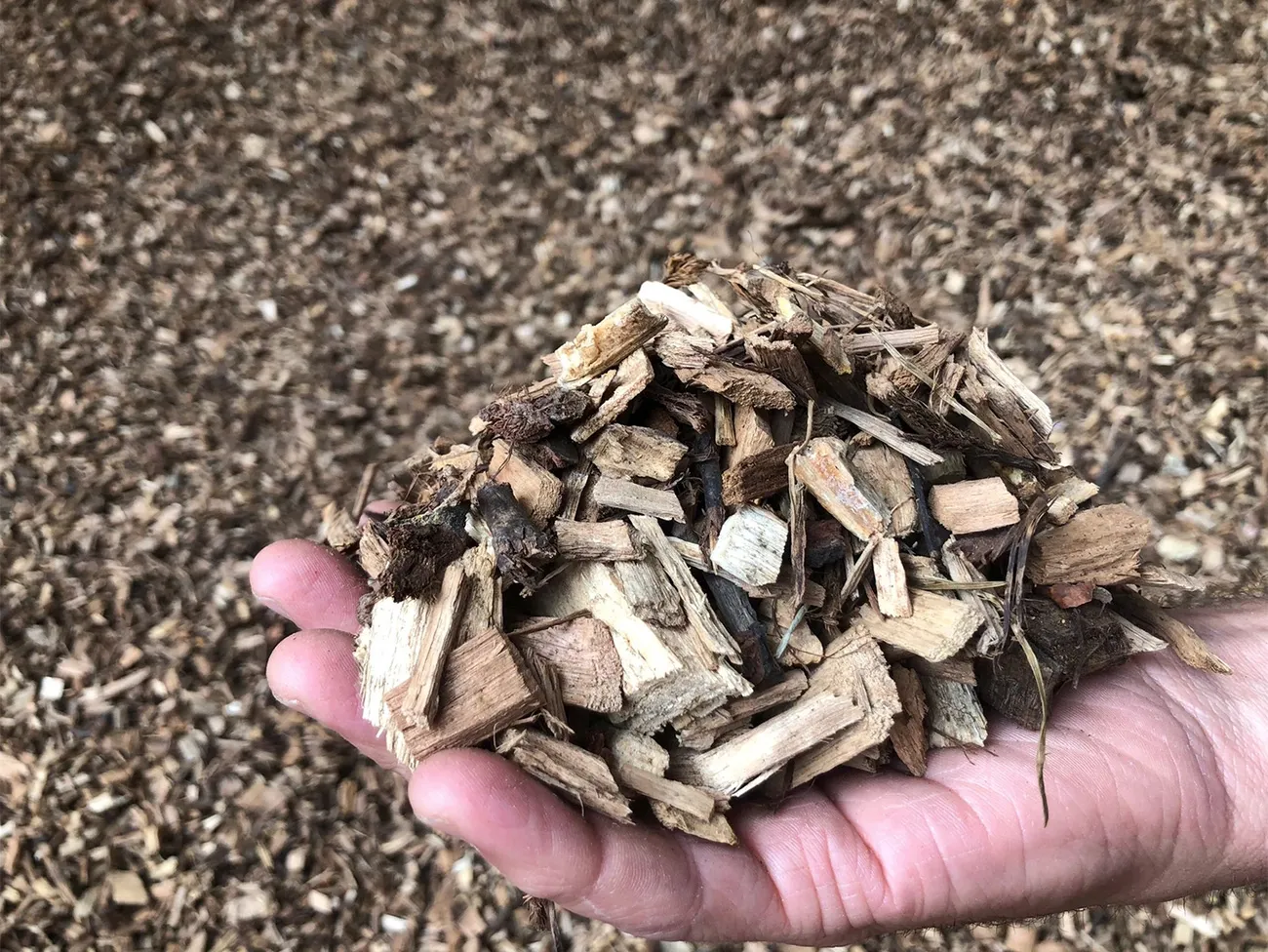
Biomass supplied from the management of hedgerows
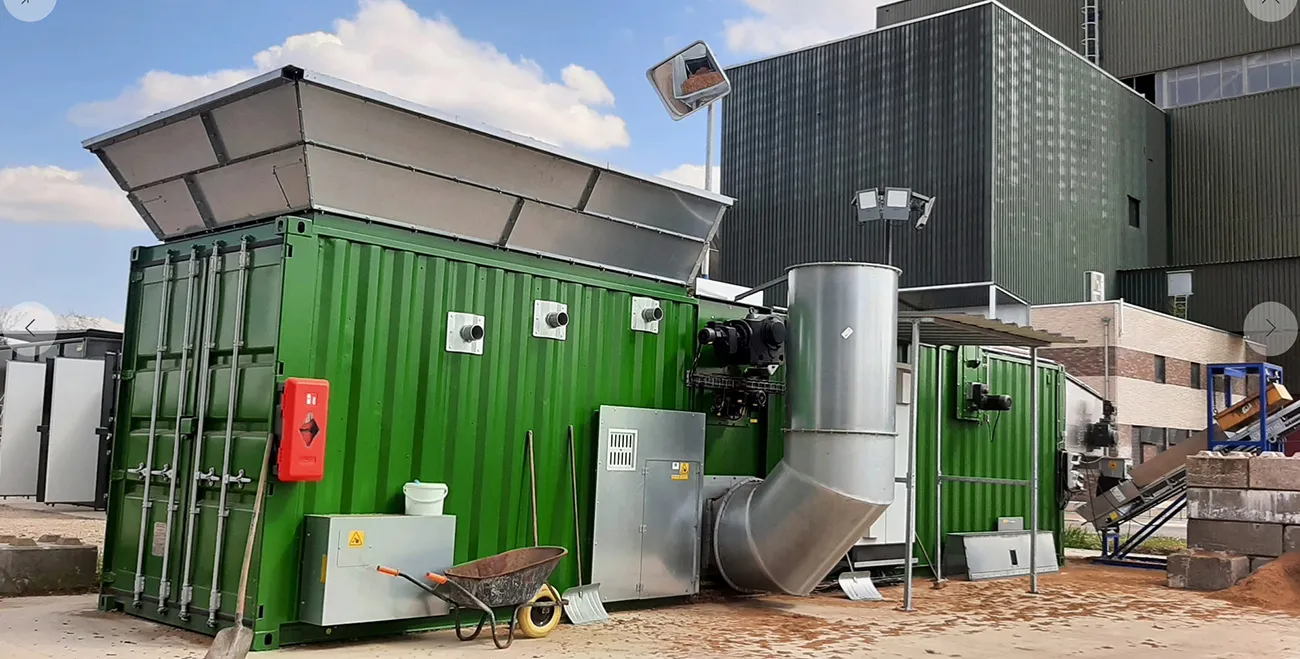
Regionaal Landschap Kempen recognises the importance of well-maintained hedgerows in the landscape. Through targeted rejuvenation using coppicing and planting, the organisation ensures that hedgerows retain their biodiversity value, reinforce the region’s identity, continue to form attractive lines across the landscape and protect agricultural crops from wind erosion. The Biomassaplein in Houthalen-Helchteren receives the results of this management, namely the wood residues, delivered as chips in containers. A large heating plant is fuelled by the ‘unusable’ biomass fractions. It produces hot water, which can also be used to heat a large building.
Sustainable hot water for sustainable drying
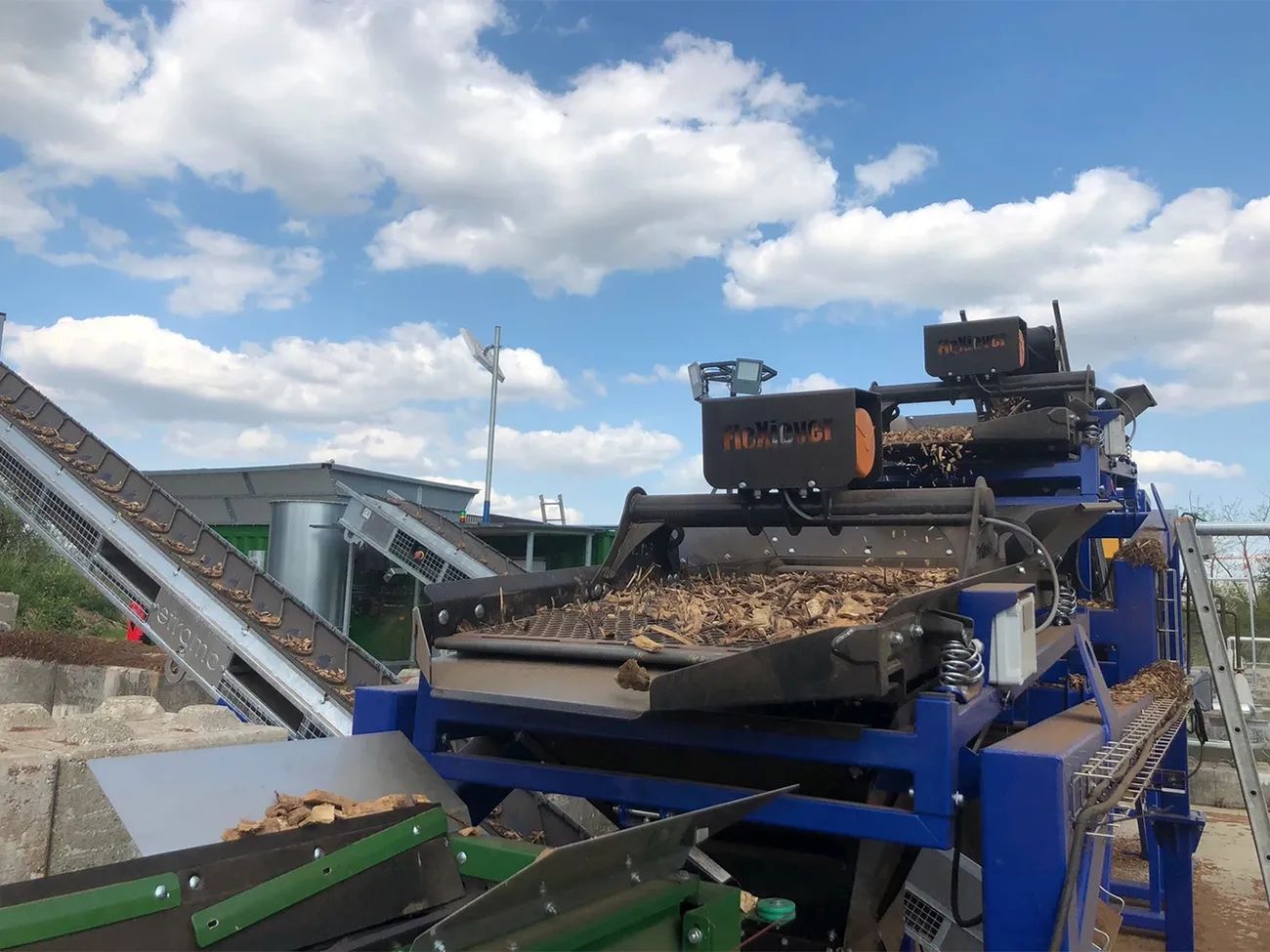
At the Biomassaplein, however, the hot water is used to dry fresh wood chips. Their moisture content is reduced from 50 to 20%. This active drying gives the biomass a considerably higher calorific value than passively dried wood chips. At the end of the process, a screening plant removes metal residues, very fine fractions and oversized fractions, leaving high-quality dried chips to be marketed as an energy source. The wood residues are therefore no longer sent abroad or treated as waste, but as a raw material for heat. The end product is high-quality dried wood chips that can be used in local heating boilers to provide sustainable energy in the form of heat.
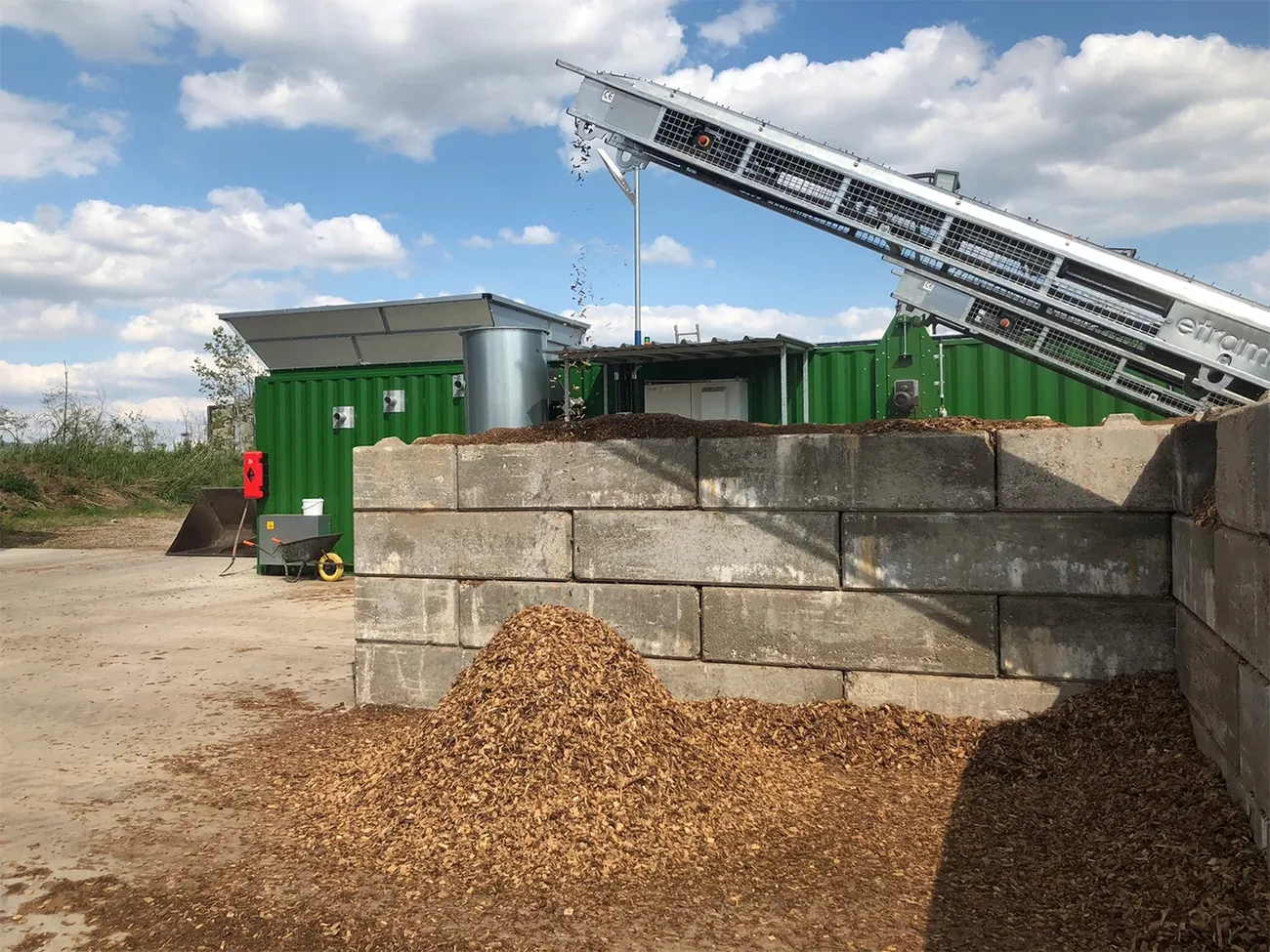
Biomass from the local area
Who is interested? Local authorities that need to heat numerous buildings, including sports halls, swimming pools and cultural centres, as well as schools. They can do without fossil fuels such as gas and oil, and avoid CO2 emissions, while supporting a circular economy through a short supply chain. Biomass from the local area becomes a sustainable energy source for the region. The Biomassaplein aims to make the best possible use of biomass, focusing on products with the highest possible added value. Biomass will only be used as a fuel if no other applications can be found. High-value applications such as cellulose refining will require substantial research in the coming years, so using biomass as a fuel cannot yet be ruled out.
Question about this story? Ask your question
Keep following this
Get an email when a new story is published. No account needed.
- SubjectNews







